U.S. Information Agency posters abroad, 1950–1969
The U.S. Information Agency and its State Department predecessors printed posters, photo sheets and handbills for audiences outside the United States. The FRAME snapshot holds 907 of them dated 1950 to 1969, from Manila to Beirut to Mexico City. This hub starts with the sheets this site has written up and a gallery of the wider set.
After the Second World War the United States kept an information service abroad. On the records this site uses, it appears first as State Department programs (the International Information and Educational Exchange Program, the International Information Administration) and then as the U.S. Information Agency, whose overseas posts were called the U.S. Information Service. The National Archives keeps the agency's poster files in Record Group 306. The FRAME snapshot holds 907 objects dated 1950 to 1969 whose maker line names the agency, a State Department information program, or a USIS post, leaving aside the JUSPAO sheets described at the foot of this page. In 842 of them the agency or the State Department is the first maker named. In the rest a local group, a ministry, or another U.S. office comes first, and the sheet sits in the agency's files. None is dated 1960 through 1963. They were made to be seen abroad: in Manila and Taipei, Bangkok and Saigon, Beirut and Addis Ababa, Karachi, Colombo, Copenhagen, Guatemala and Mexico City.
Where to start
The gallery is the wider set, 62 sheets in date order. The essays below it follow the program from 1951 to 1965.
Two 1951 sheets show its range. Everybody's Listening is an advertisement for a Sunday Voice of America program, with the station's name as its headline. Red Star Over Asia draws the enemy as a brute and prints its square-mile figures with no source and no American name. The World's Largest Prison and Kremlin's Words and Deeds make the same anticommunist case with a map and a table.
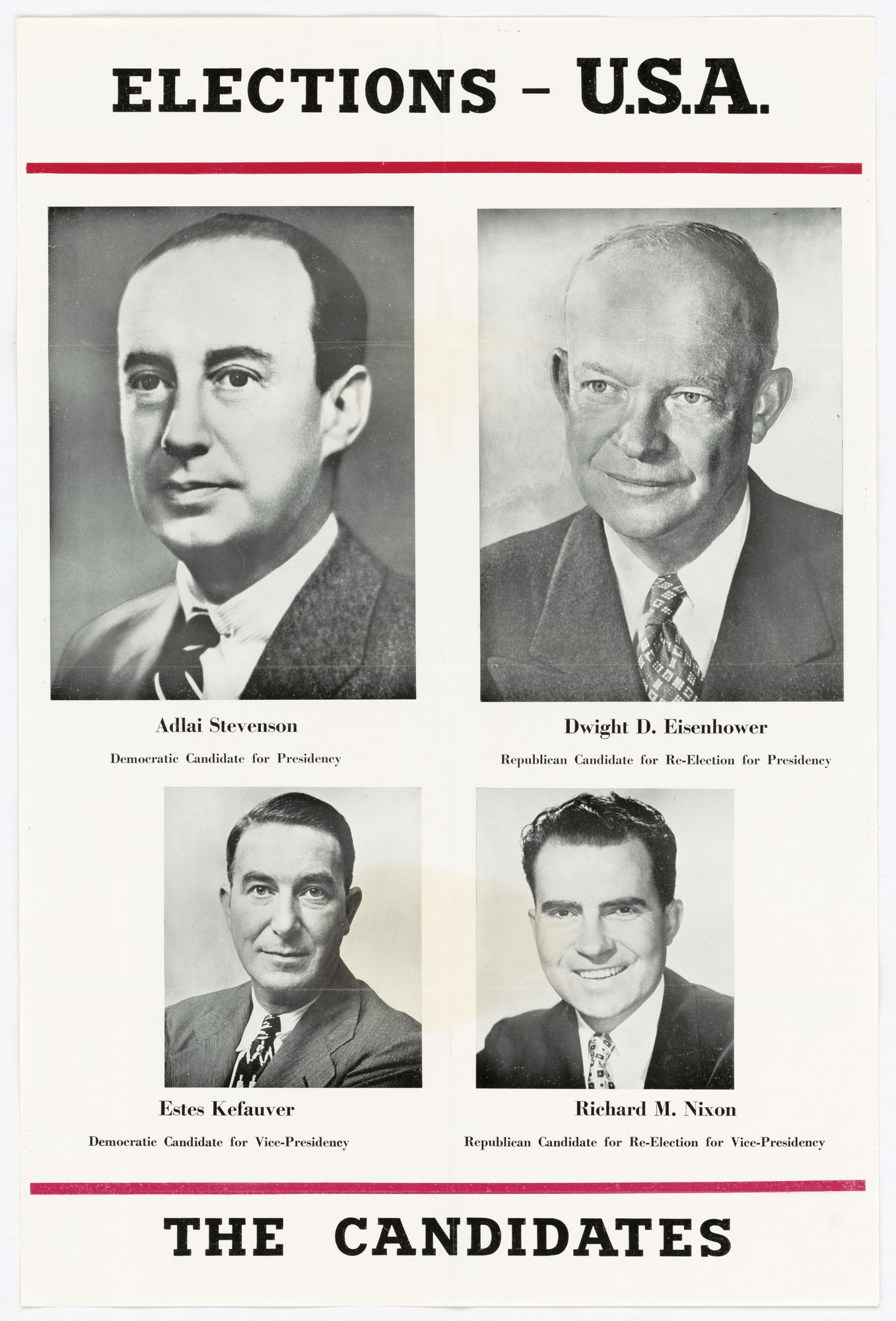
Much of the file is civic. A 1953 registration notice signed NAMFREL told Filipinos when and how to vote. A 1954 Heroes Day sheet put Lincoln and one line from him on a wall in Asia. Elections U.S.A. printed both 1956 tickets at the same size.
Culture went out under the same file. Marian Anderson in Taipei names the State Department fund that helped present her. Louis Armstrong in Beirut names no sponsor at all. The 1964 Kennedy memorial film was billed in several languages.
Hungary in 1956 became a subject for Asian audiences: Communism Gives You Justice? with a Philippine farmers' group on its face, and Story of Hungary, a photo sheet of refugees meeting Philippine audiences. By 1965 the subject was Vietnam: The United States Position on Viet-Nam, a bulletin-board sheet that quotes President Johnson, and the Why Viet Nam pamphlet from the embassy in London.
Was this program overt or covert?
The agency was overt. It existed in public, under its own name, and its posters are in the National Archives under that name. Some sheets said so on their face: the Voice of America poster, the Marian Anderson bill, the Vietnam sheet headed "The United States Position."
Most did not. FRAME classes the source of each object as open or blurred. Of the 907 objects in this cluster, it classes 158 as openly sourced and 749 as blurred: the sheet carries a magazine's name, a local group's name, a series number, or nothing, and the American agency behind its distribution is not shown. A viewer in Manila who read "Federation of Free Farmers" at the foot of a poster had nothing on the sheet to tell him a foreign government had sent it.
That is a real criticism, and this site makes it on the object pages. It is still a different thing from what the CIA did in the same years. The Crusade for Freedom asked Americans to give to Radio Free Europe as a private station while a secret budget paid for most of it, and Congress was not asked to approve the money. The Congress for Cultural Freedom ran magazines and a festival on CIA money passed through foundations, and most of its own members were not told. In those cases the concealment ran toward the sponsor's own citizens and toward the people lending their names. An unsigned USIA sheet hid its sender from a foreign passer-by; the agency itself was a public body working under its own name.
The libertarian reading takes both seriously and keeps them apart. A government that speaks abroad under its own name can be answered, audited and voted on. A government that speaks through a cutout, at home or abroad, asks people to trust a voice they cannot identify. The test this hub applies to each sheet is the one the program's best sheets passed: does the reader know who is talking? The Vietnam leaflets that U.S. psychological operations put out in the name of a league that did not exist fail it outright. FRAME credits that leaflet to the Joint U.S. Public Affairs Office (JUSPAO) and MACV-SOG, wartime psychological operations that this hub keeps separate.
What this hub does not cover
JUSPAO sheets made in Saigon for the South Vietnamese government, such as A soldier in the war against poverty, are left out of the gallery: they belong to the wartime program in Vietnam, not to the posts' general poster series. A 1976 sheet from the agency's file is left out by date. The agency's later work against Soviet forgeries is told in the Active Measures Working Group.
 United StatesUSIA poster gallery
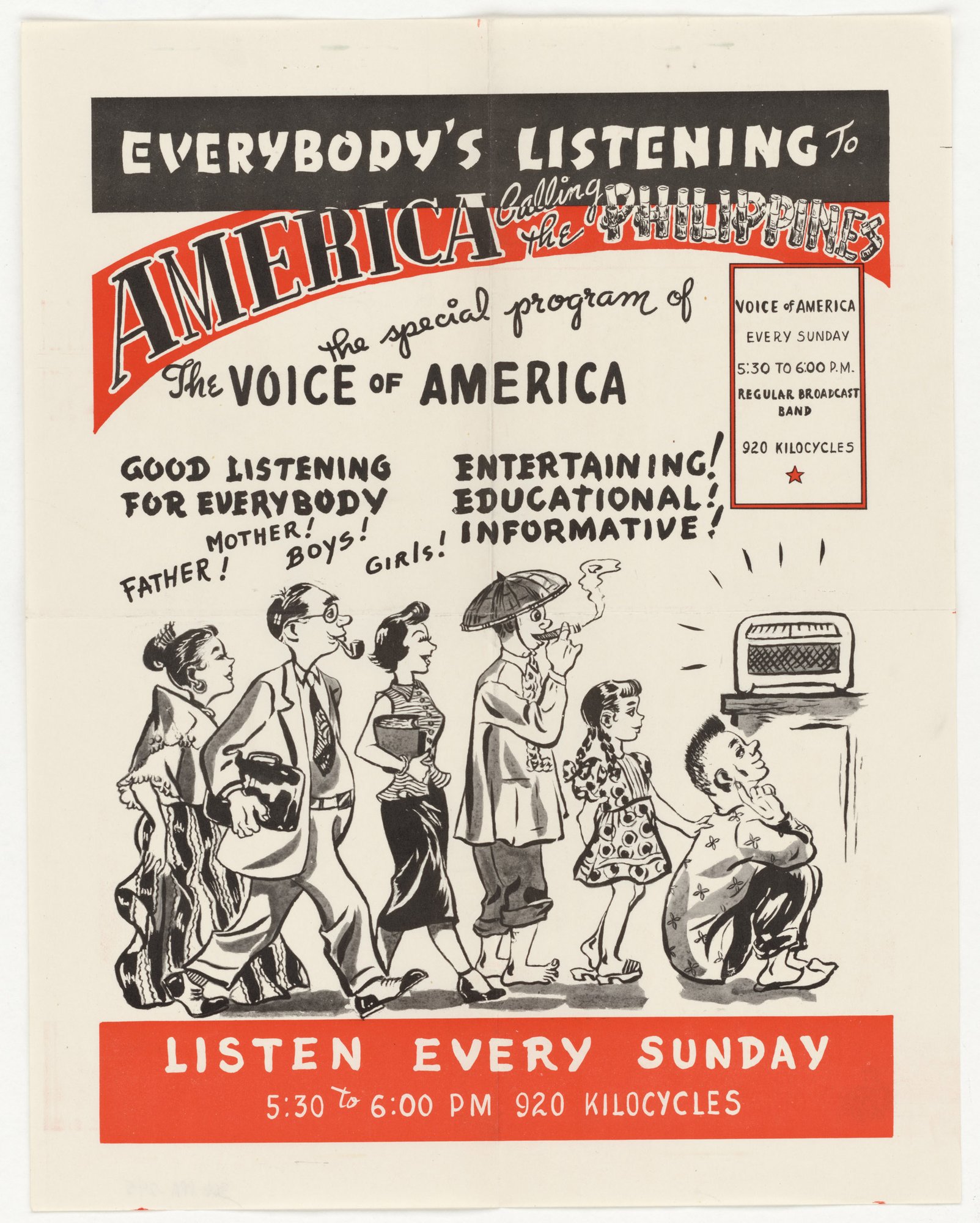 United StatesEverybody's Listening (1951)
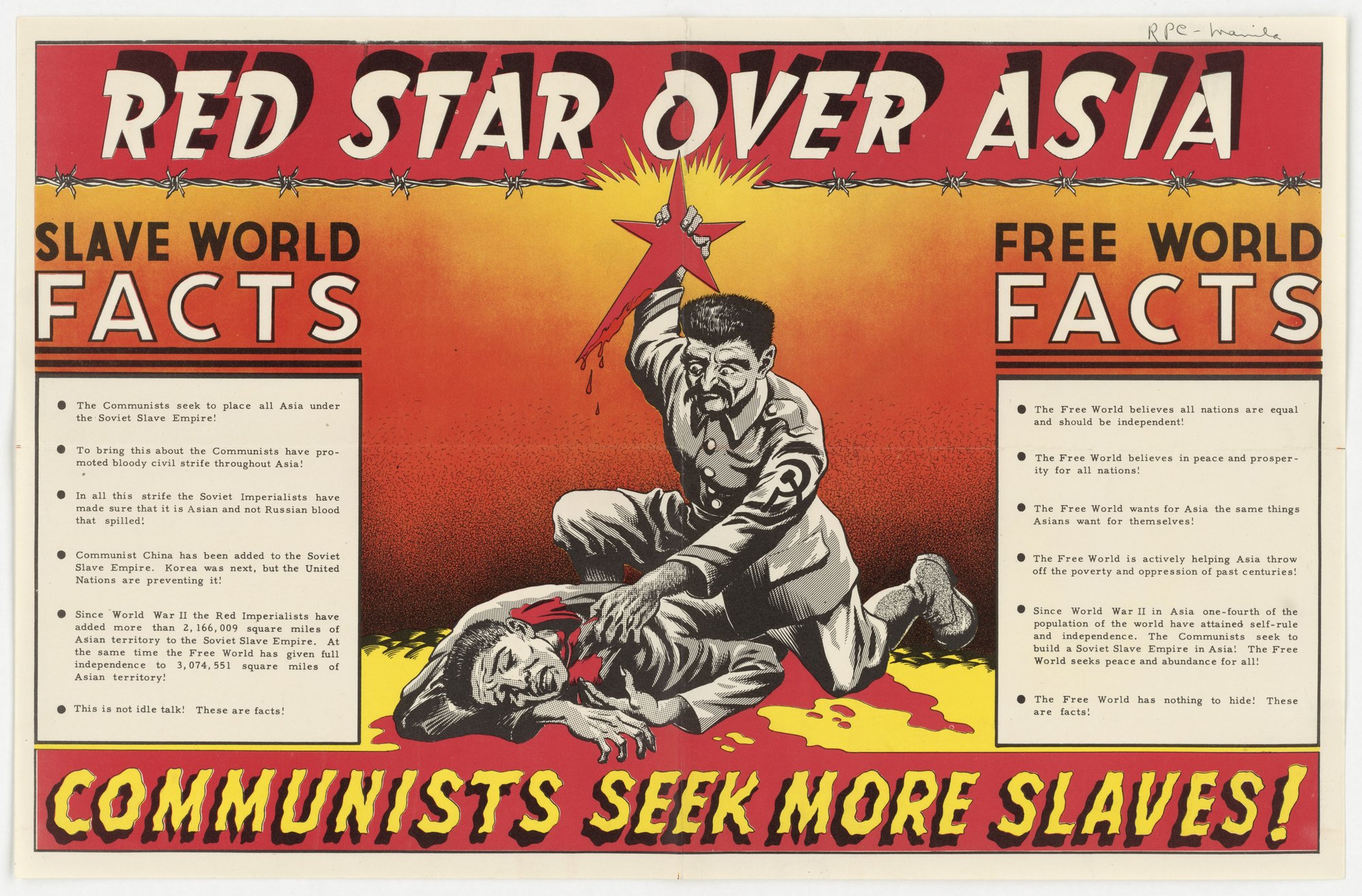 United StatesRed Star Over Asia (1951)
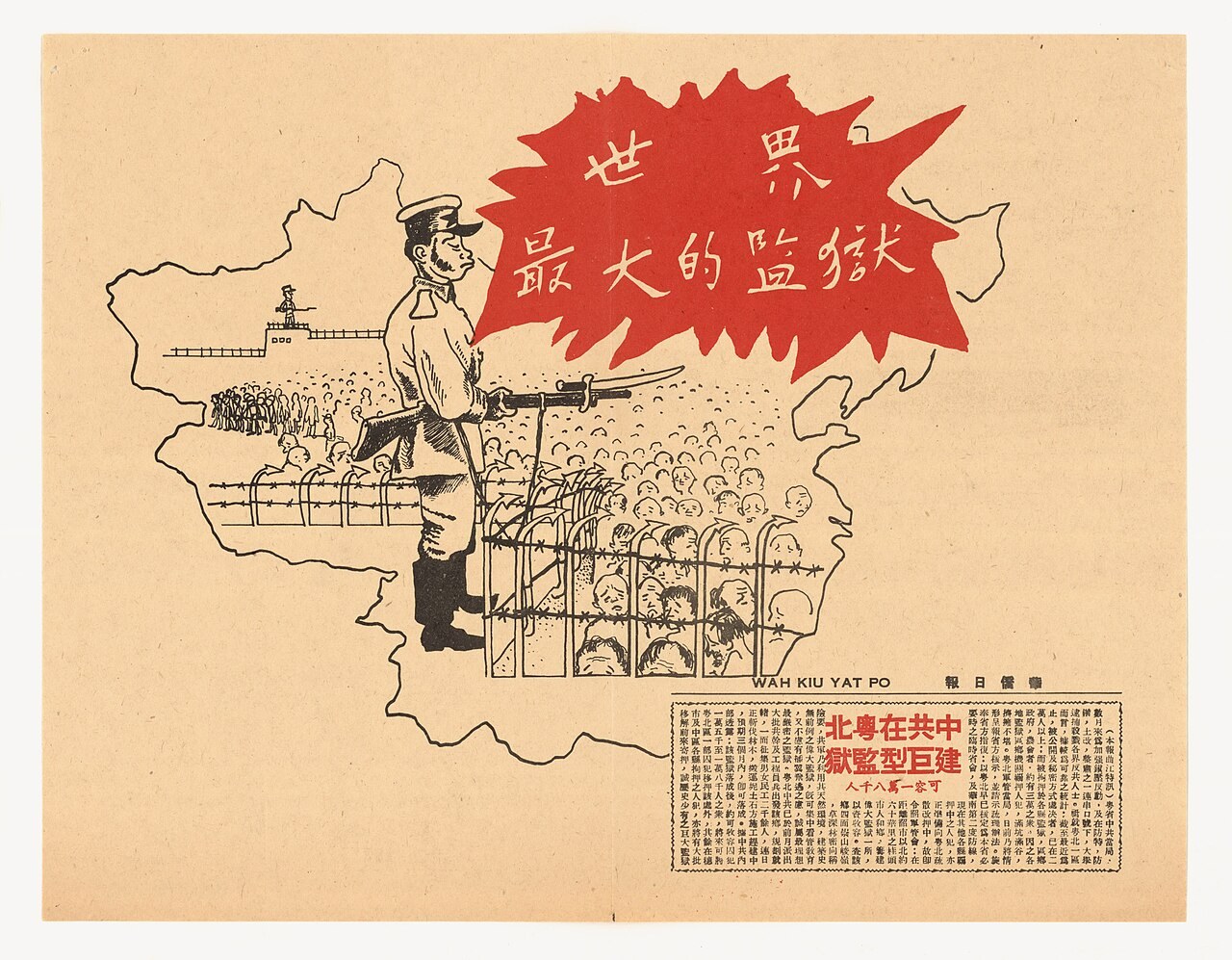 United StatesThe World's Largest Prison (1951)
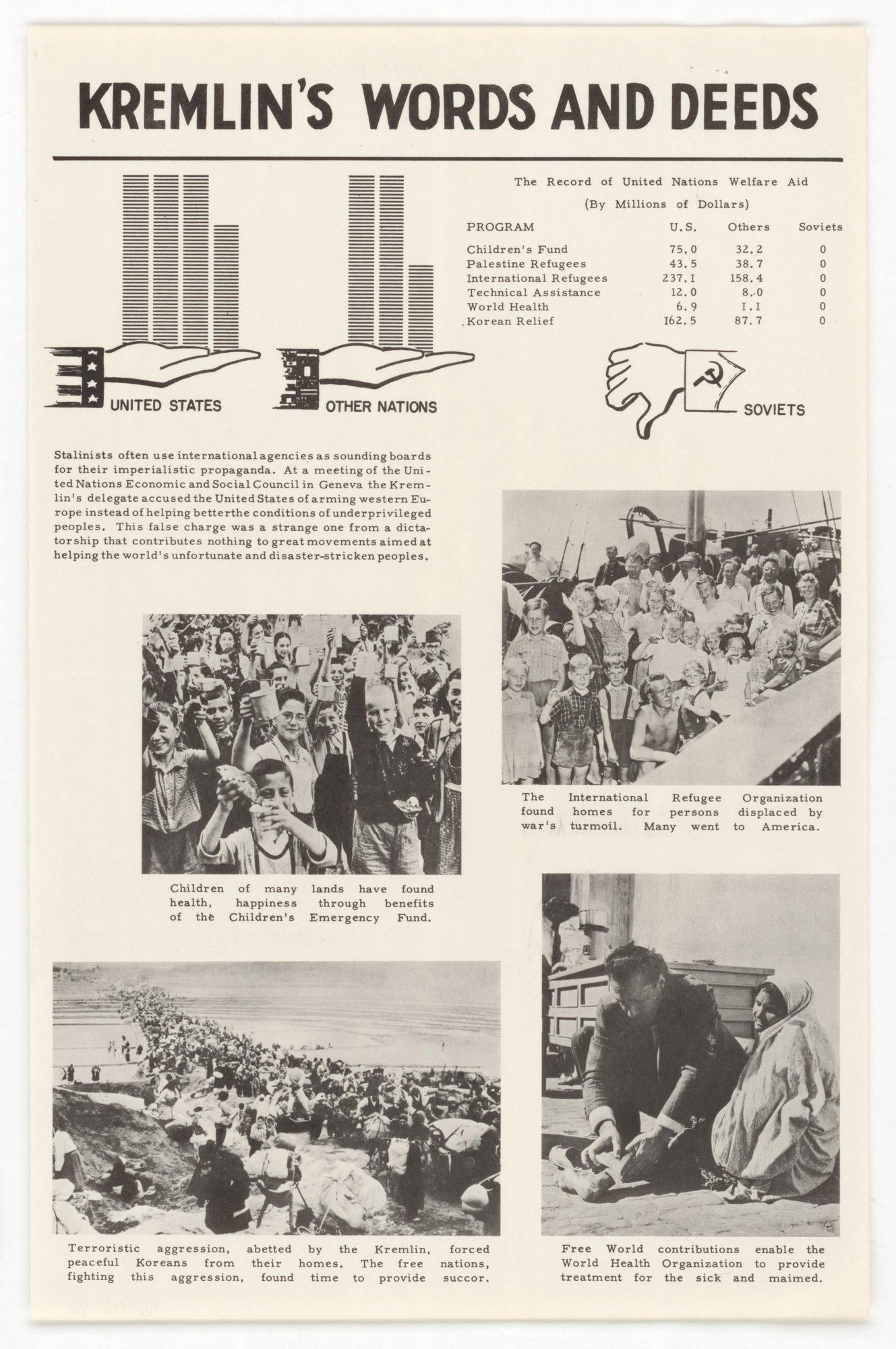 United StatesKremlin's Words and Deeds (1952)
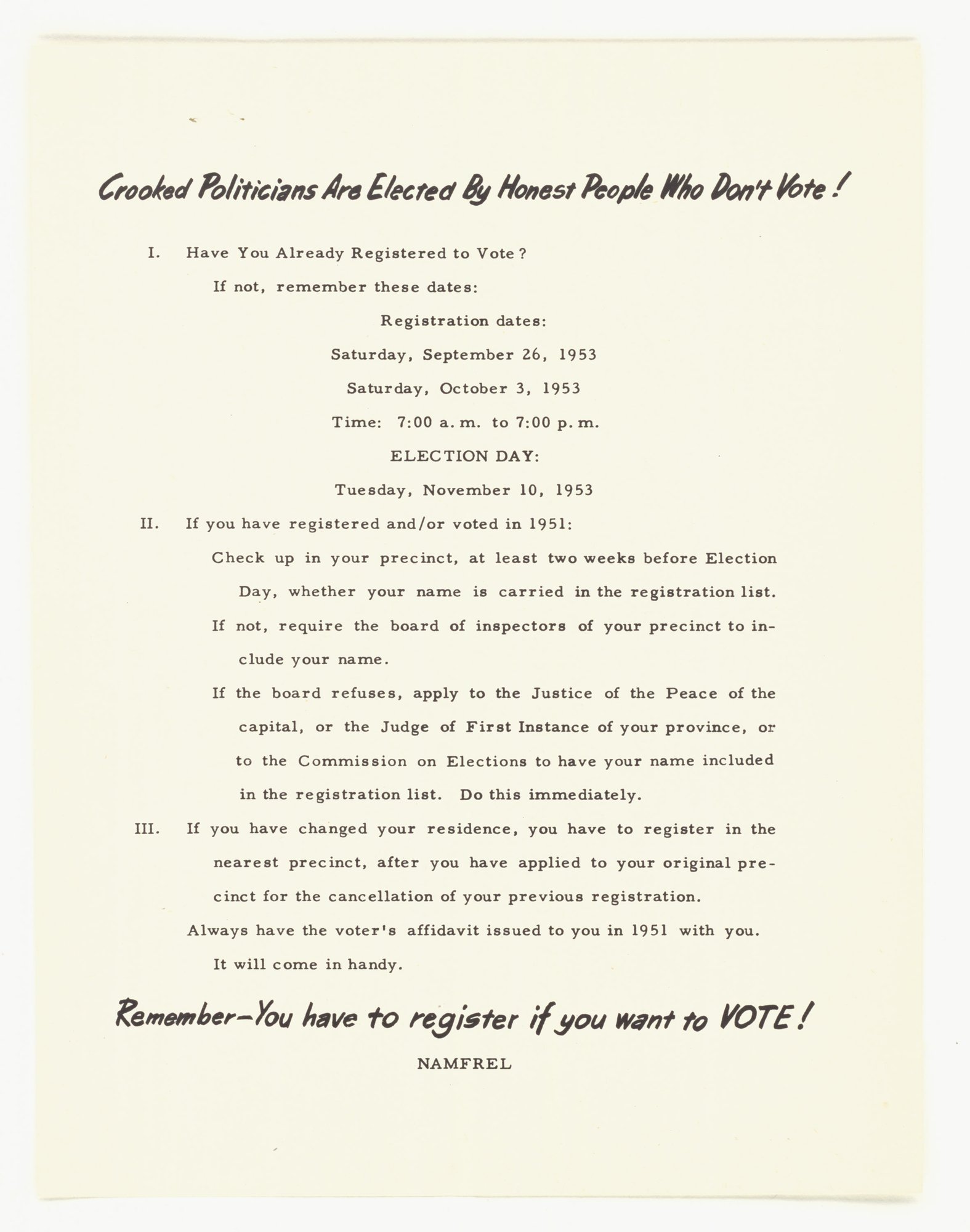 United StatesHonest People Who Don't Vote
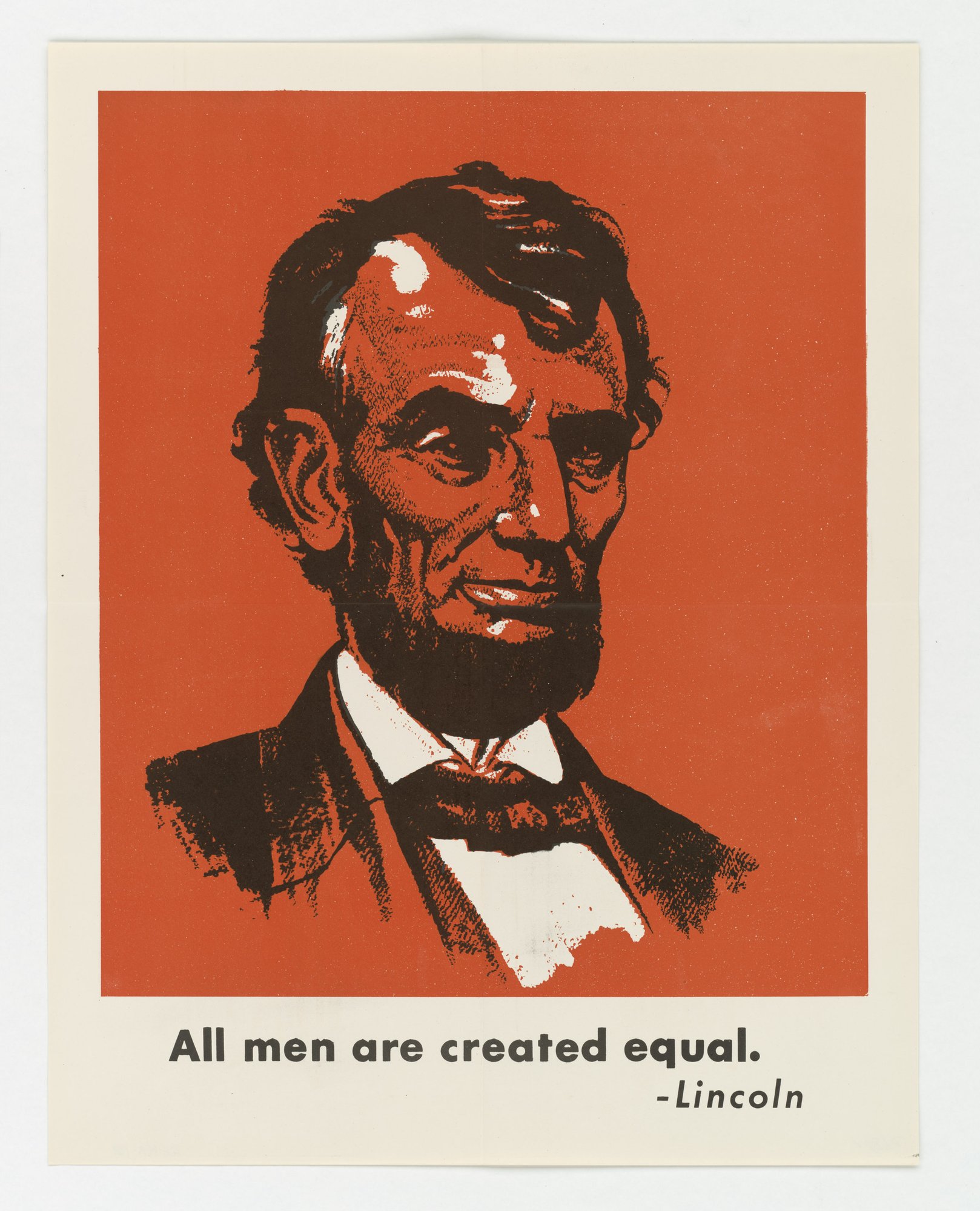 United StatesHeroes Day: LincolnUnited StatesElections U.S.A.: The Candidates (1956)
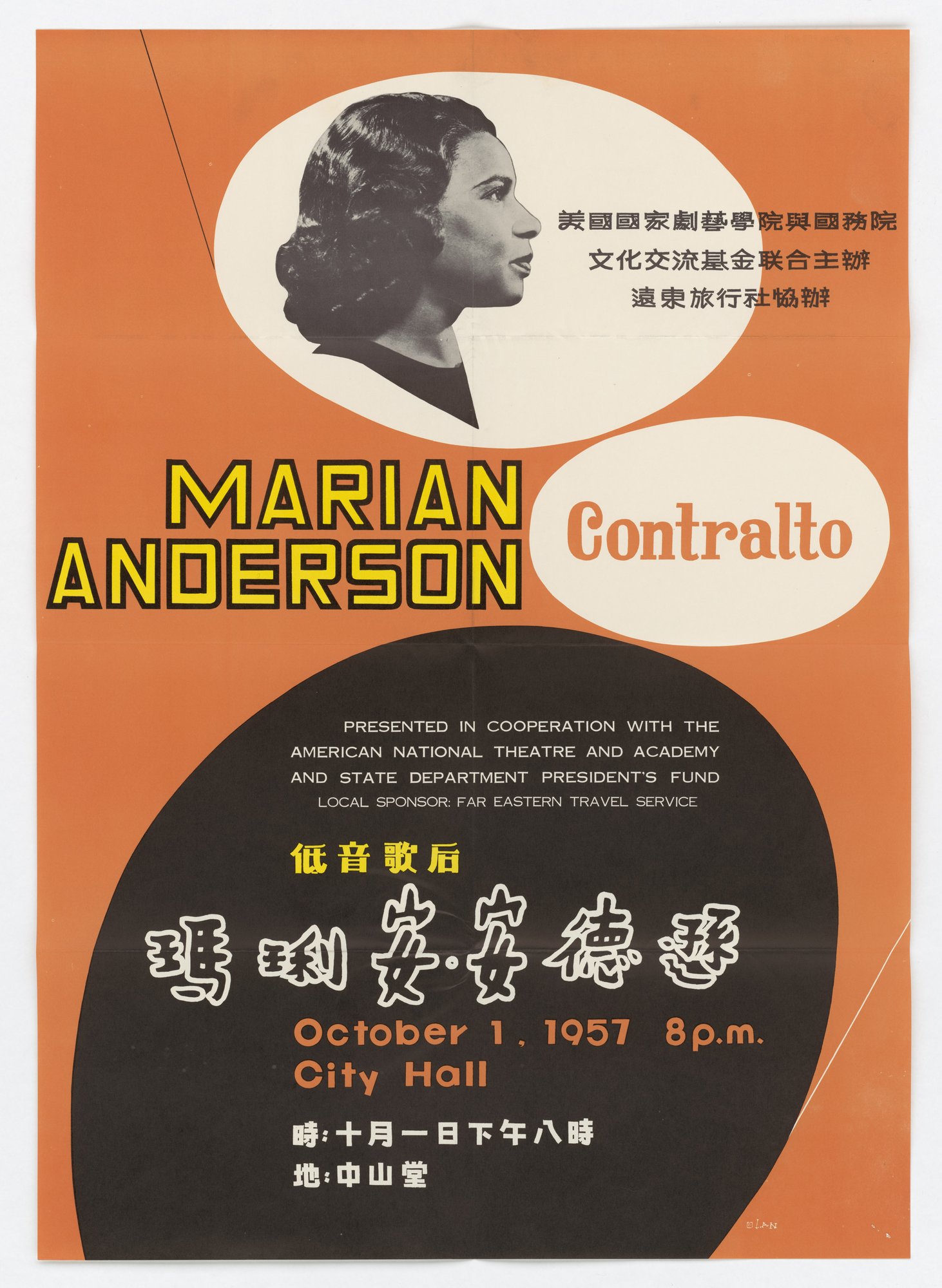 United StatesMarian Anderson in Taipei (1957)
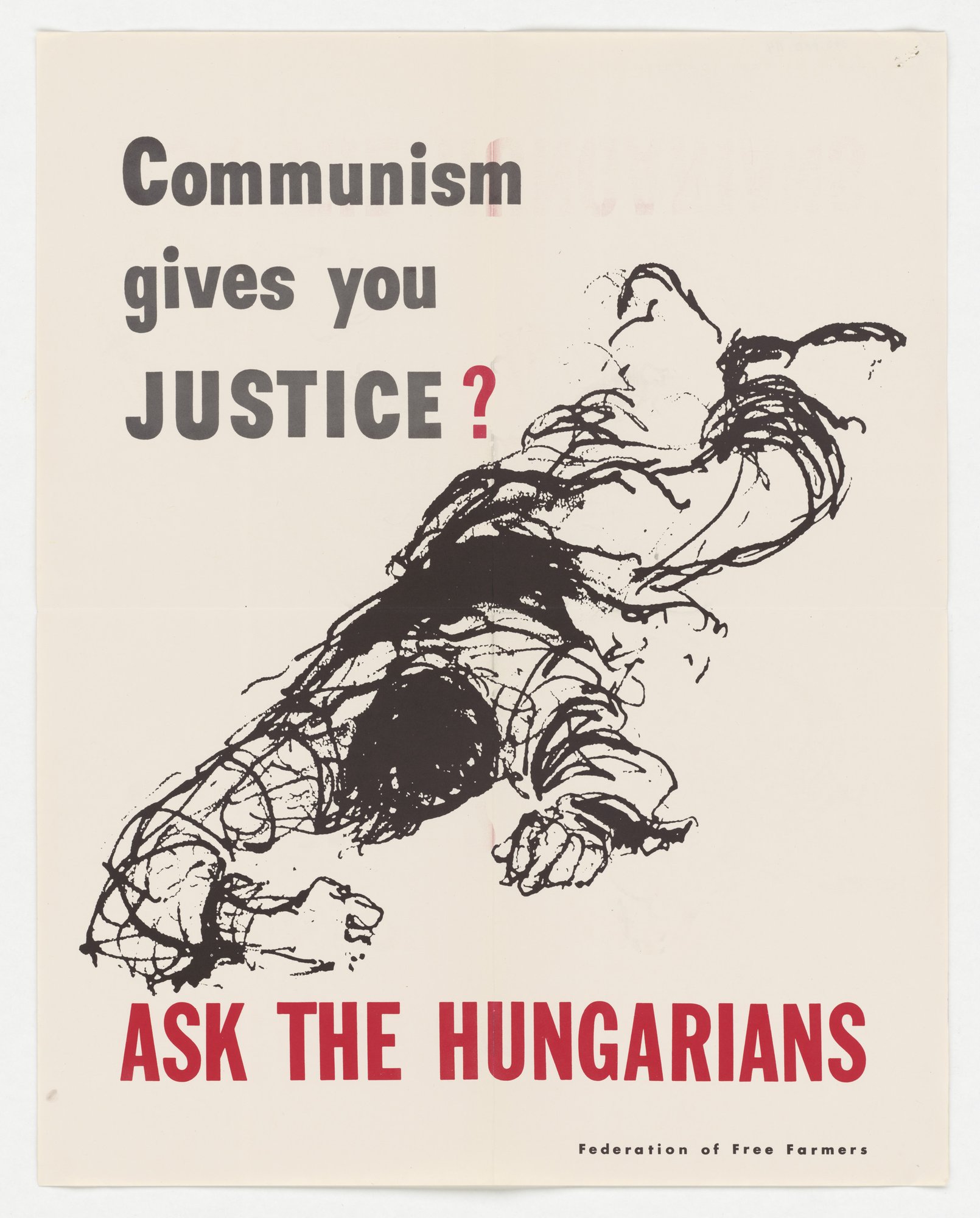 United StatesCommunism Gives You Justice?
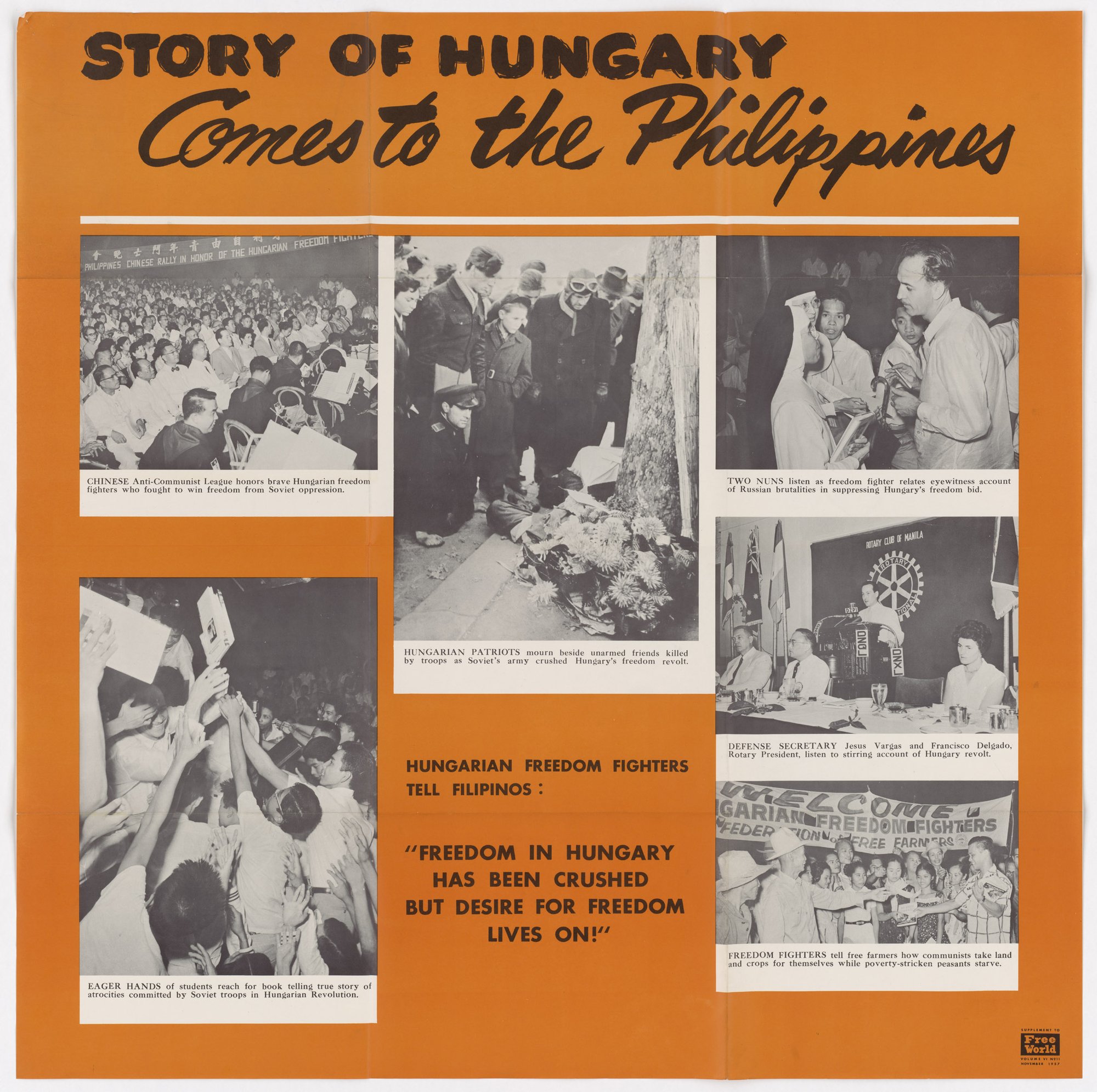 United StatesStory of Hungary Comes to the Philippines
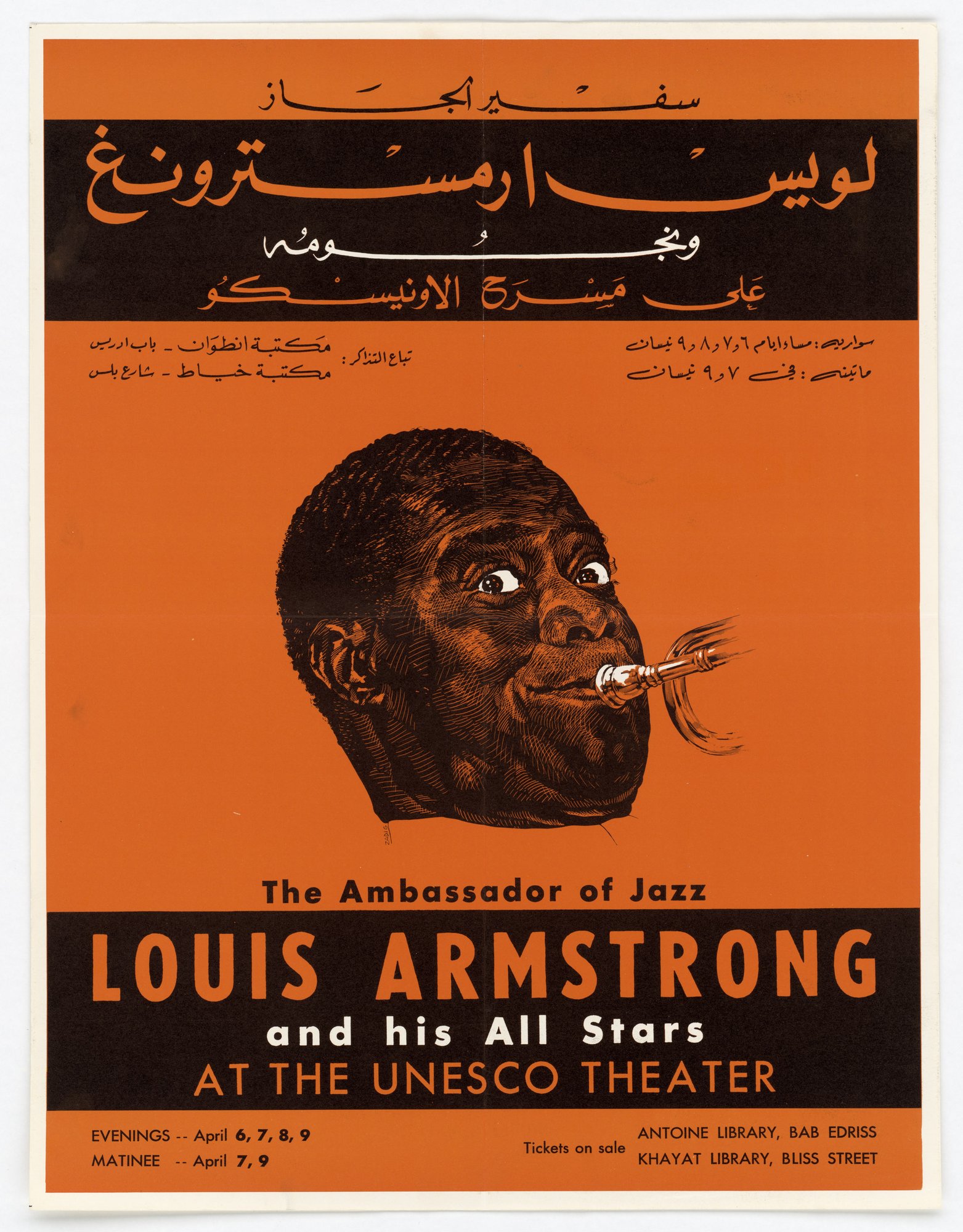 United StatesLouis Armstrong in Beirut
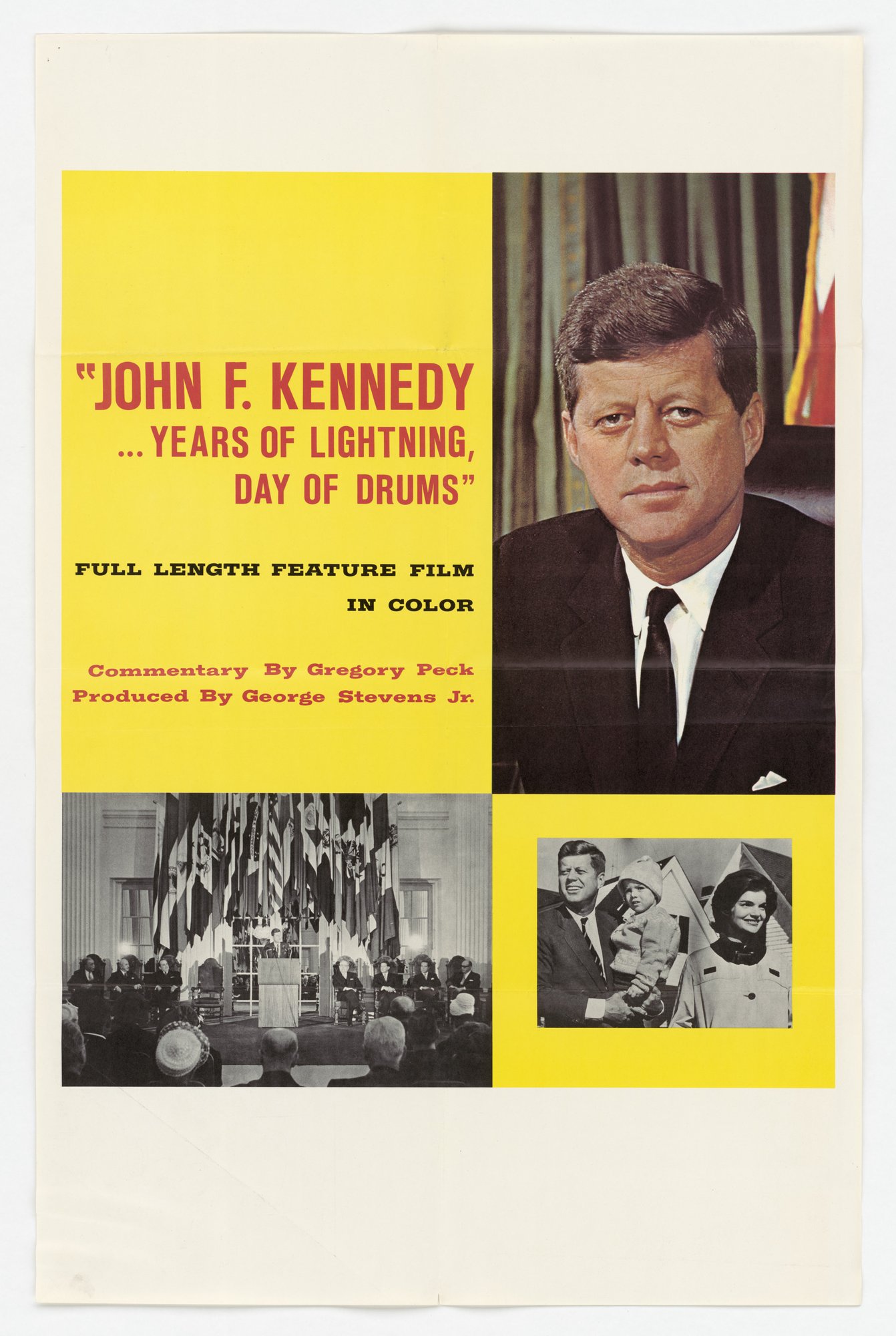 United StatesYears of Lightning, Day of Drums (Beirut)
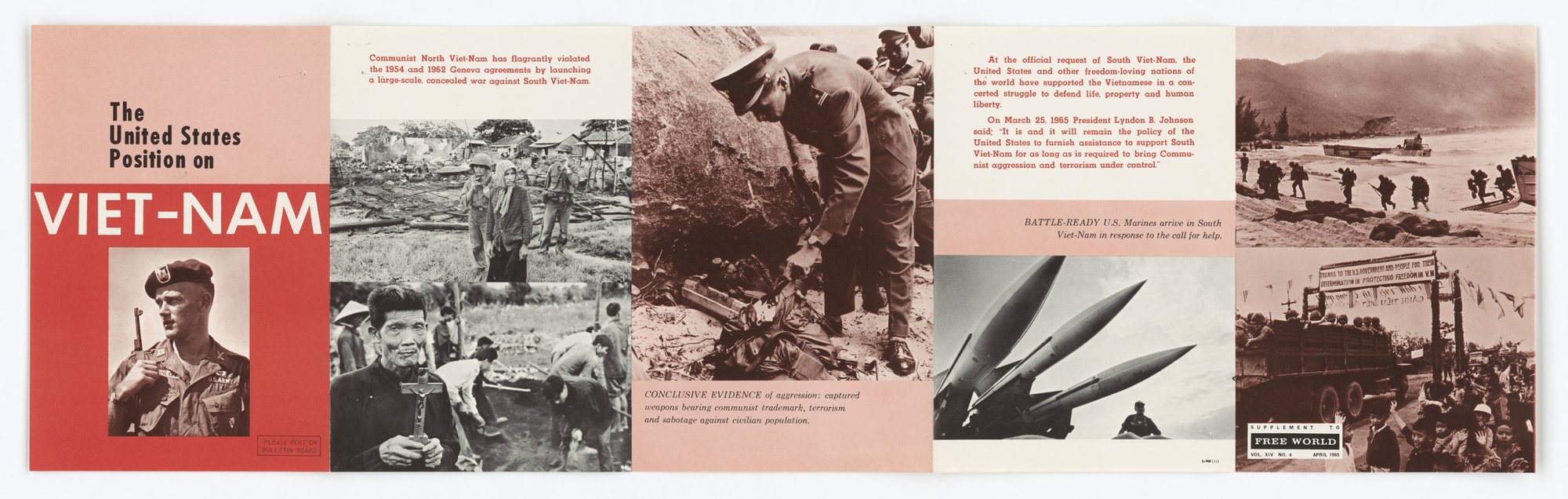 United StatesThe United States Position on Viet-Nam (1965)
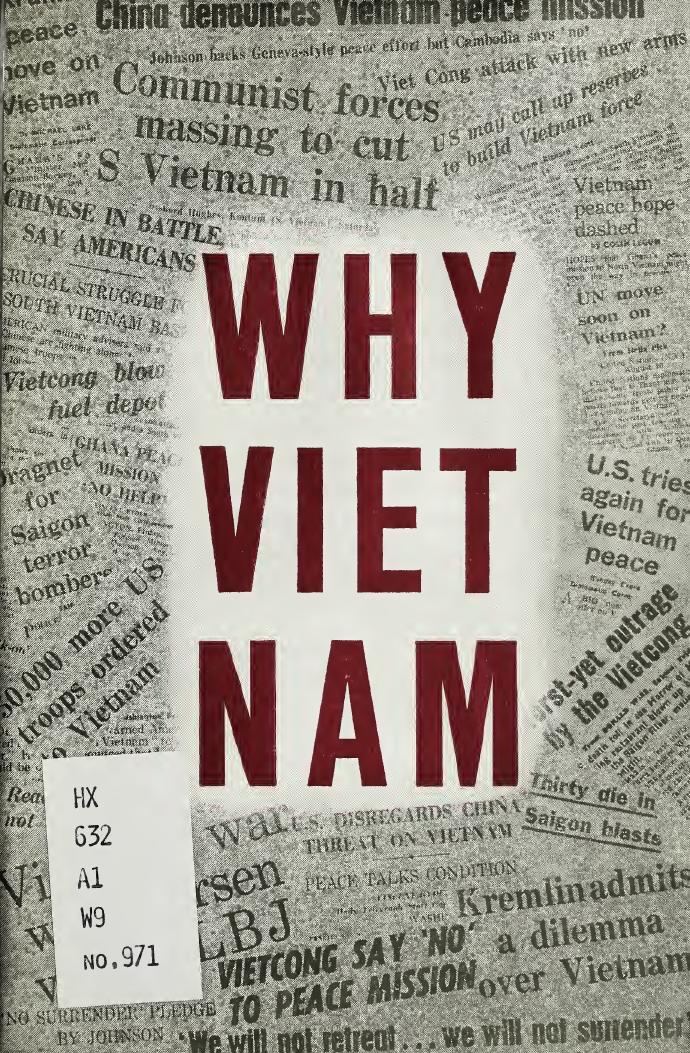 United StatesWhy Viet Nam (USIS London)
 United StatesAmericans were asked to chip in for a private radio. Their government was already paying for it.
 United StatesA manifesto for free thought, paid for by an intelligence budget nobody was told about