Jim Berryman's cartoons for the Washington Evening Star, 1928–1963
The FRAME snapshot holds 211 cartoons drawn for the Washington Evening Star and credited to Jim Berryman, from a 1928 spring-motoring joke to a 1963 United Nations vote. They are a newspaper's opinions, signed, and the National Archives keeps them with the records of the U.S. Senate. This hub sets out what that means for reading them, with a 211-card gallery and the essays this site has written.
Much of what this site collects was made by a government office. The cartoons on this page were made by a newspaper. Each of the 211 records in the FRAME snapshot gives the same maker: the Washington Evening Star, cartoonist Jim Berryman. They run from 11 March 1928 to 23 October 1963, and the originals are in the National Archives, in the Records of the U.S. Senate, in a series called Jim Berryman Political Cartoons (NAID 5730852). The item numbers in that series follow the cartoons' dates, one after another, from NAID 5743093 to NAID 5743303.
Where to start
The gallery has all 211, in date order. This site has written up 39 of them, listed below the gallery link; seven are new with this hub.
Three of the new pages carry the theme of the set. All Set for a Super-Secret Session in Washington (1949) piles cameras and microphones on an empty committee table, and the copy in the file is printed as the 1950 Pulitzer Prize cartoon. Who's running this war, anyway? (1951) sets four headlines in which the President and the Pentagon disown the news from Korea. We Have Our Own 'Iron Curtain' (1952) leaves the District of Columbia outside the voting booth. The others are He can do this, but what can he do about this? (1940), on the draft and a strike-bound war plant; Congratulations, Dad! (1944); This Wouldn't Stand Inspection! (1956), a woman of Hungary before a Soviet tank; and It Shouldn't Happen to a Dog! (1957), Uncle Sam hearing "Beep-Beep" and "Bow-Wow" on the radio.
What is in the set
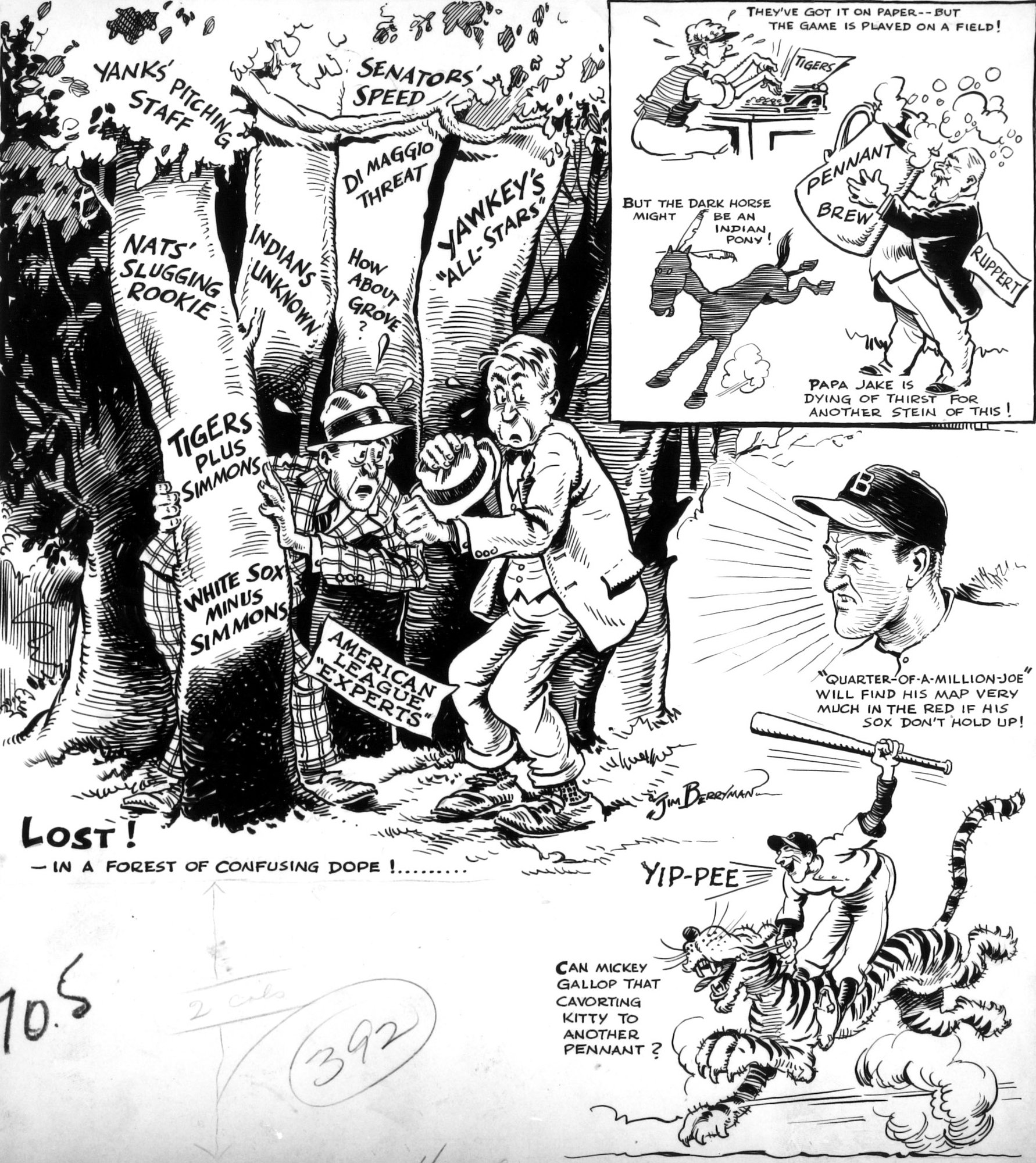
The early sheets are mostly from the sports page. Between 1933 and 1940 Berryman drew George Washington University's football schedule as a cornfield of spooks, the Senators' pennant hopes as a golf bunker, Bucky Harris pondering his rookies, the Derby and the Preakness, and a boxer's song-title daydreams. A 1939 Christmas greeting from the Evening Star's sports staff lists him among its signers. National politics arrives in 1935, with Congress buried under a White House delivery truck's worth of bills, and the war in Europe arrives in 1940, with Coventry and with the Axis and Russia carving up a globe. On New Year's Day 1941 a baby year eyes a steel helmet marked Europe.
After that the set is a Washington editorial cartoonist's regular work. By the archive's own tags, 2 cartoons fall in the Coolidge administration, 40 in Roosevelt's, 39 in Truman's, 113 in Eisenhower's, and 17 in Kennedy's. The thickest years are 1952 to 1958, with 123 of the 211. There are none from 1929 through 1932 and none after October 1963.
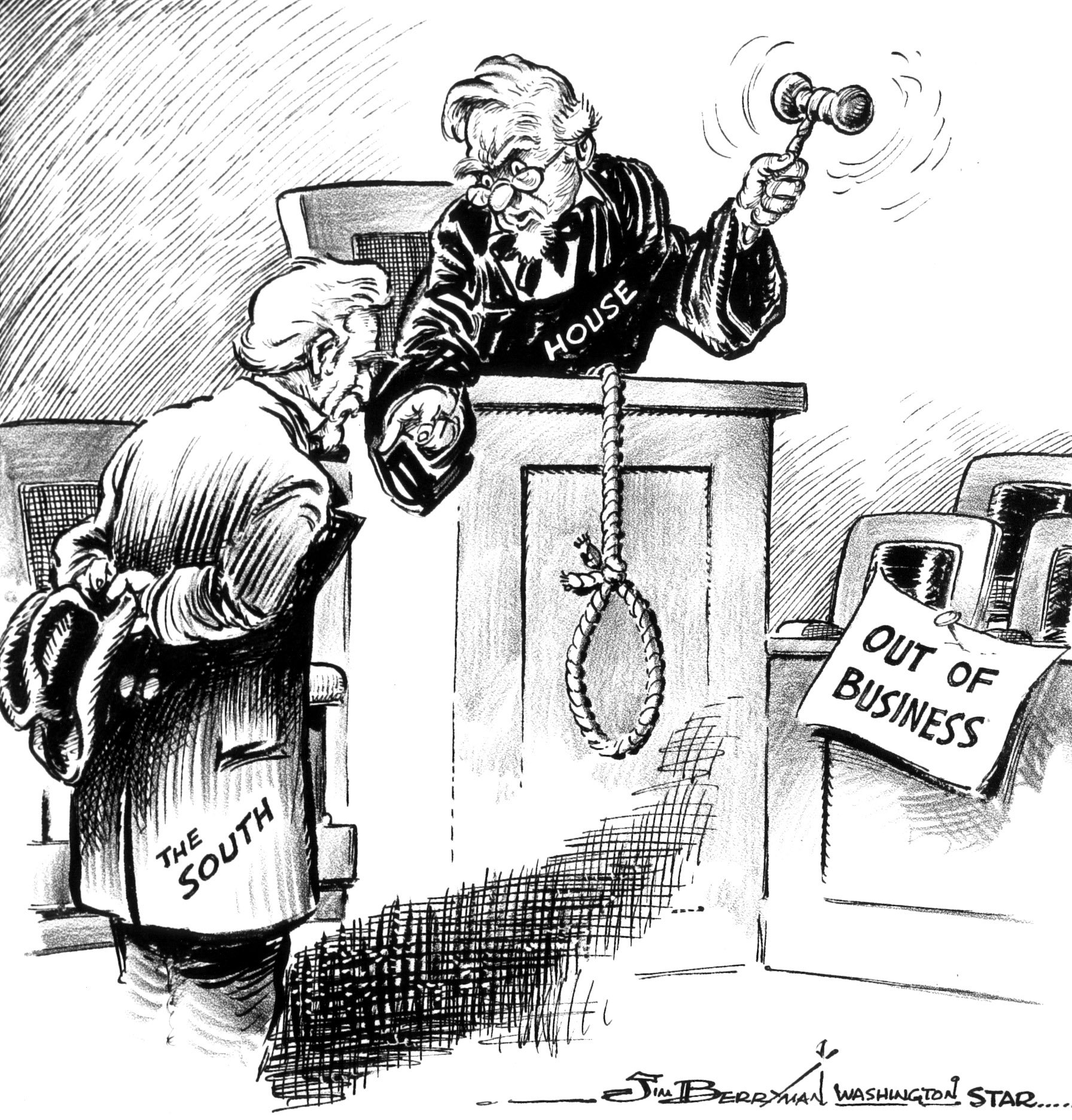
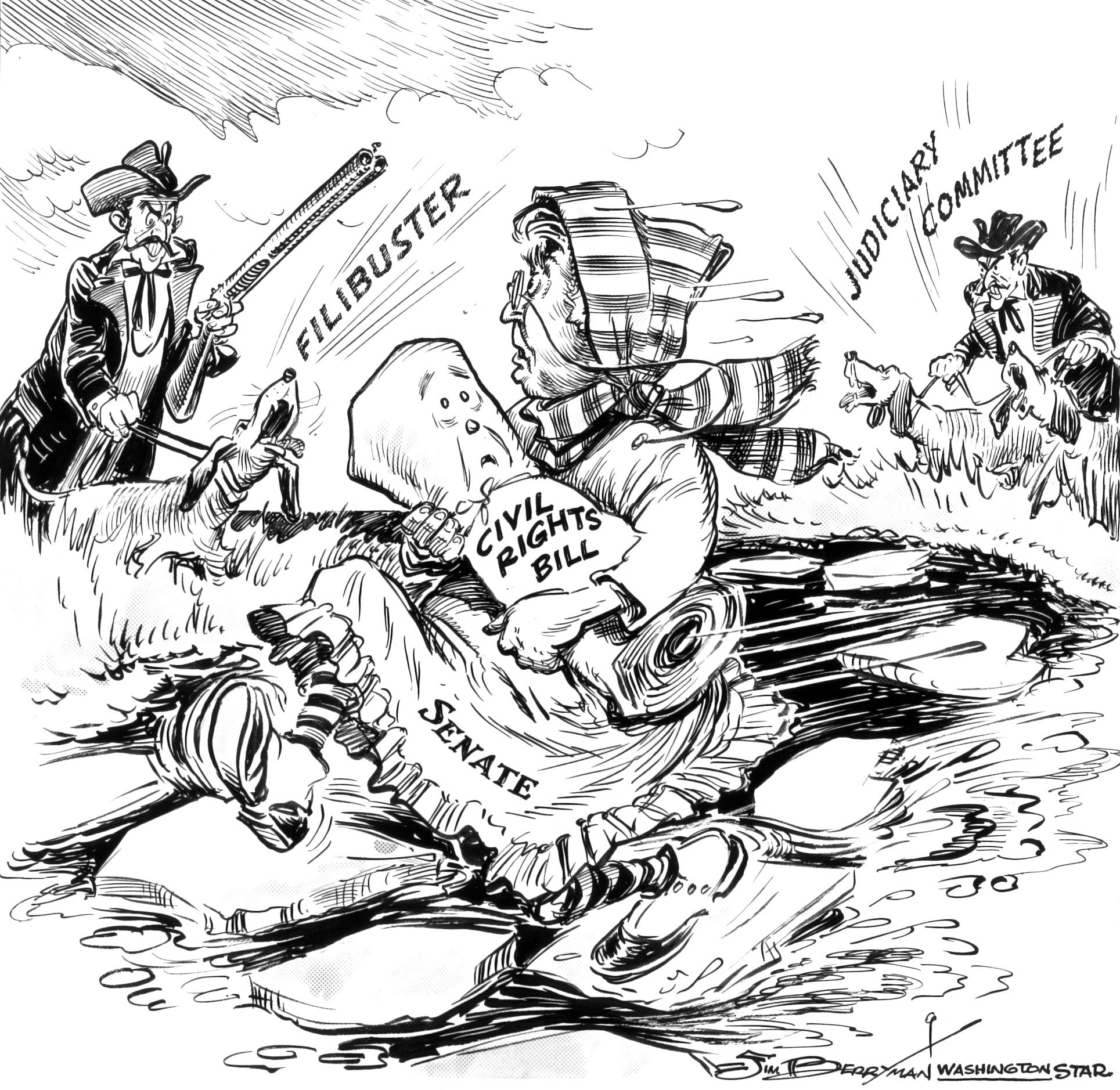
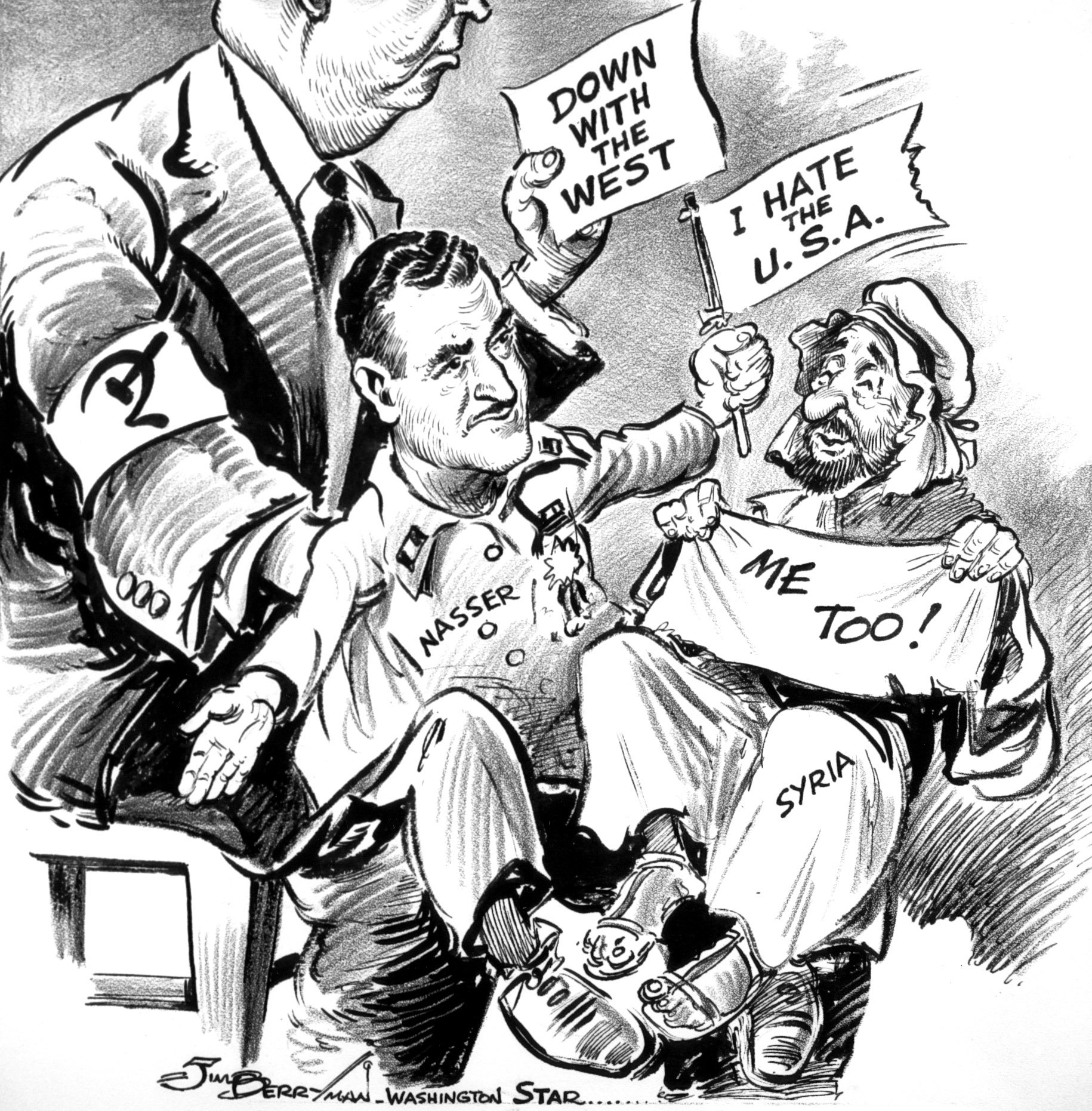
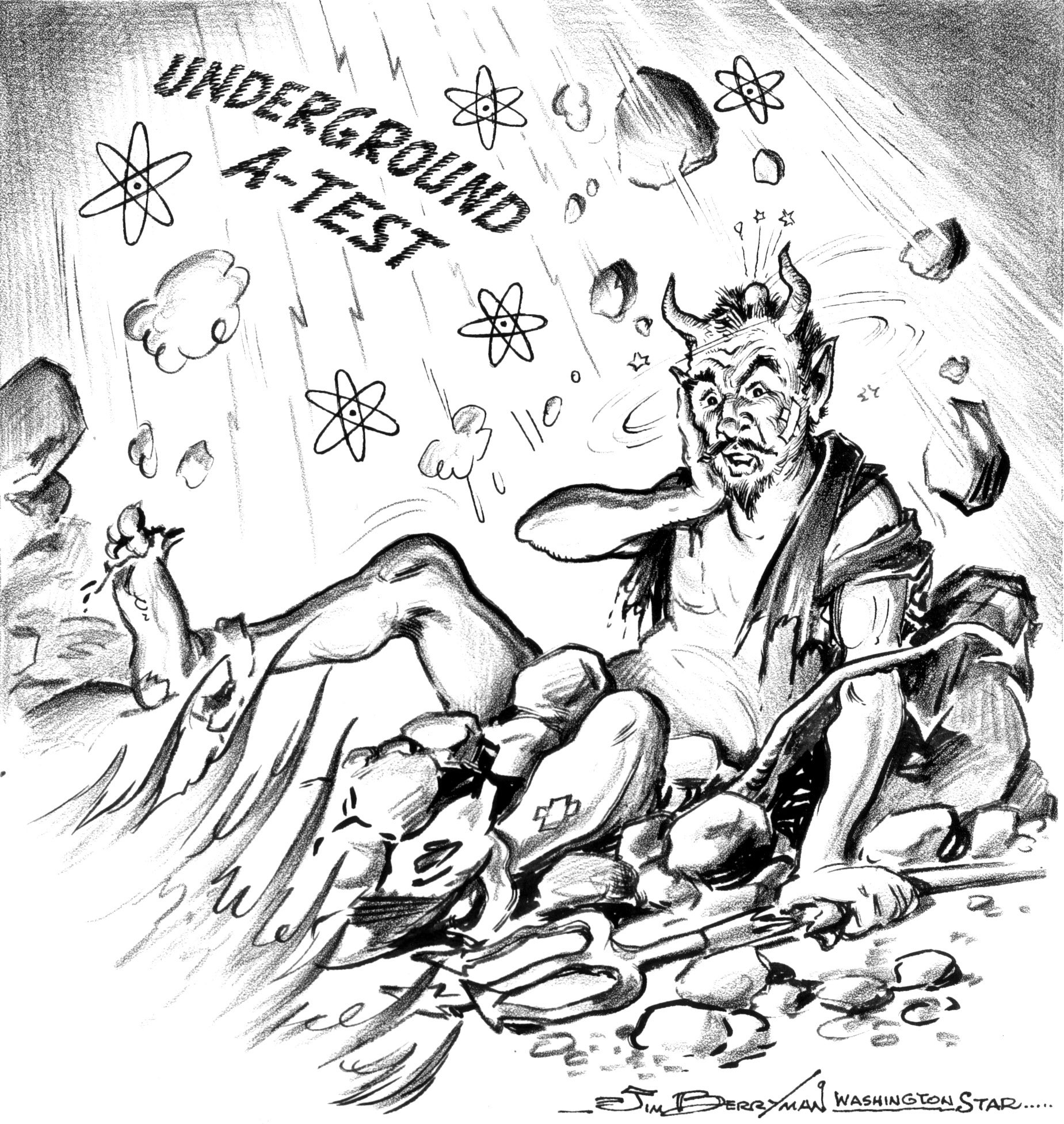
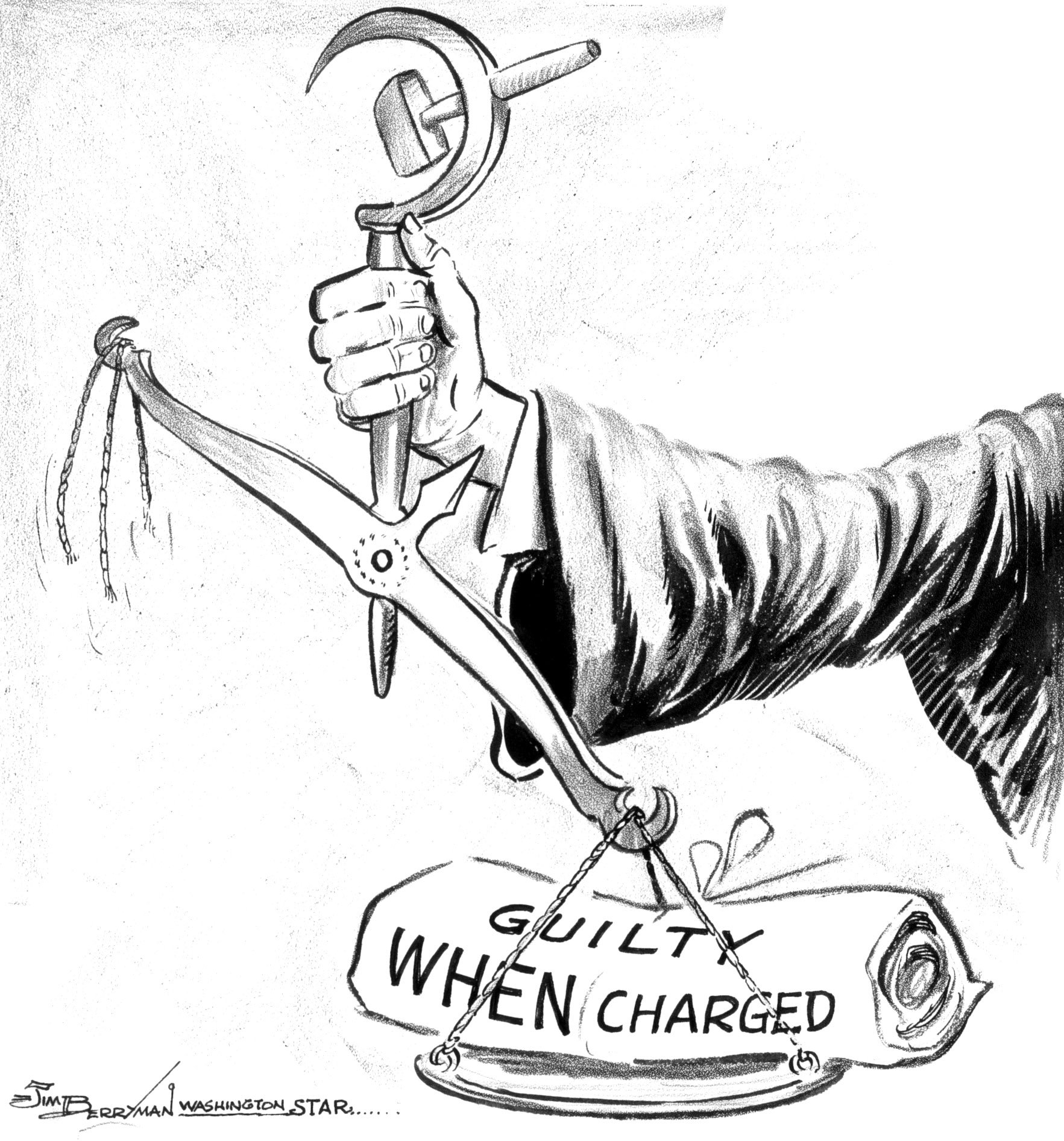
The subjects repeat. Party fights get the most space: elephants and donkeys, Taft against Eisenhower, Stevenson in a farmer's hat, Truman with a club lettered "GIVE-'EM-H---!". The Soviet Union appears as a hammer-and-sickle scale, a ventriloquist with Nasser on his knee, and a tank in Hungary. The atom and the space race run from Ceiling Zero to a devil disturbed by an underground test and a Santa worried about a "Saint-nik." Civil rights runs from a noose over the House bench in 1957 to a rose labelled Racial Accord in 1963. And Berryman's own city keeps coming back as a figure in colonial dress lettered D.C., welcoming the Shriners, warning Maryland and Virginia to hold on to their vote, and standing outside the polls.
A newspaper's cartoons, not a government's
Every record in the set classes its source the same way: openly sourced, the speaker is who he says he is. 201 of the 211 transcriptions include Berryman's signature, often with the paper's name beside it. That is the first thing that sets these apart from much of the rest of this site. A reader of the Star knew who was talking, chose to buy the paper, and could cancel it.
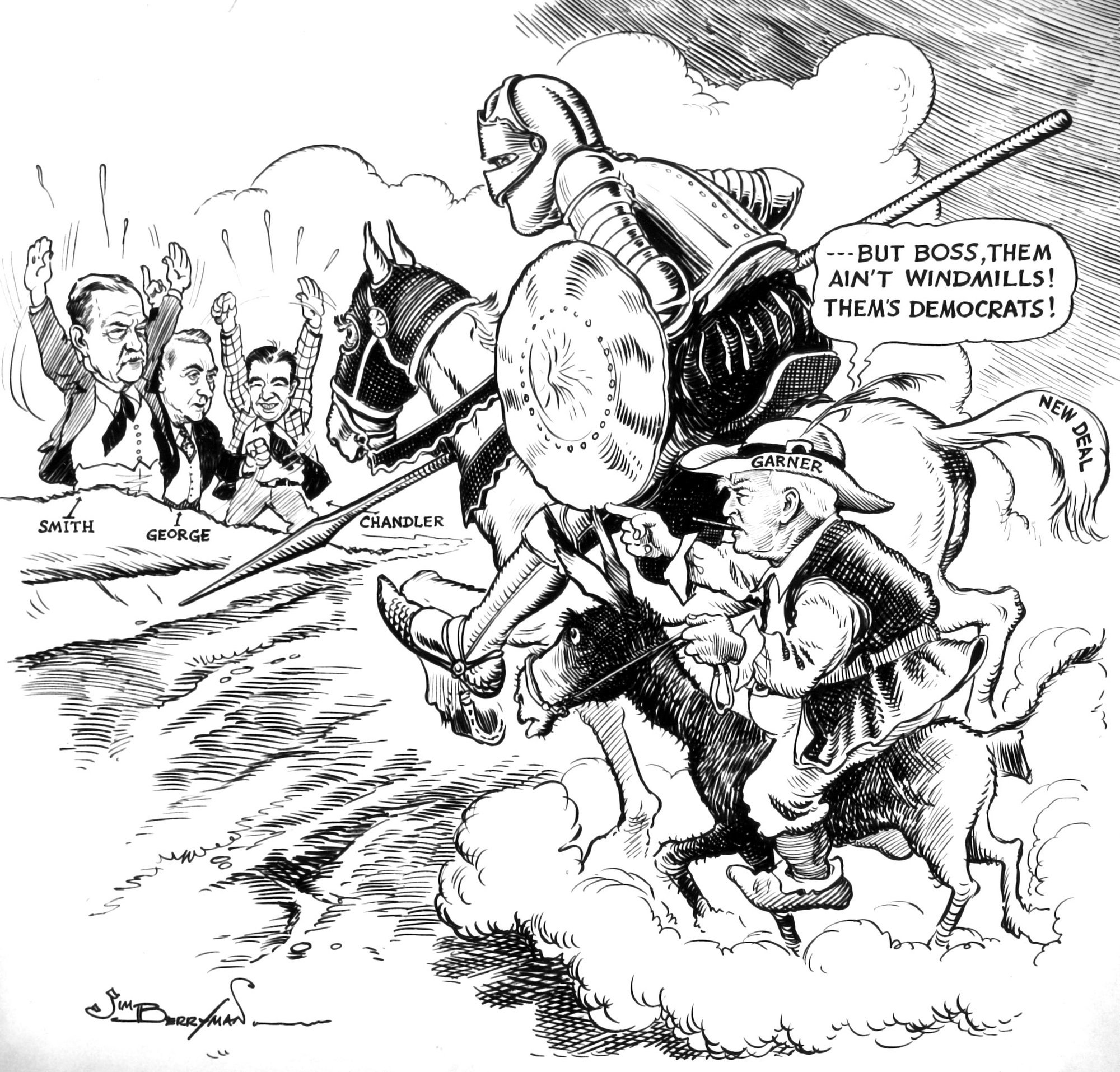
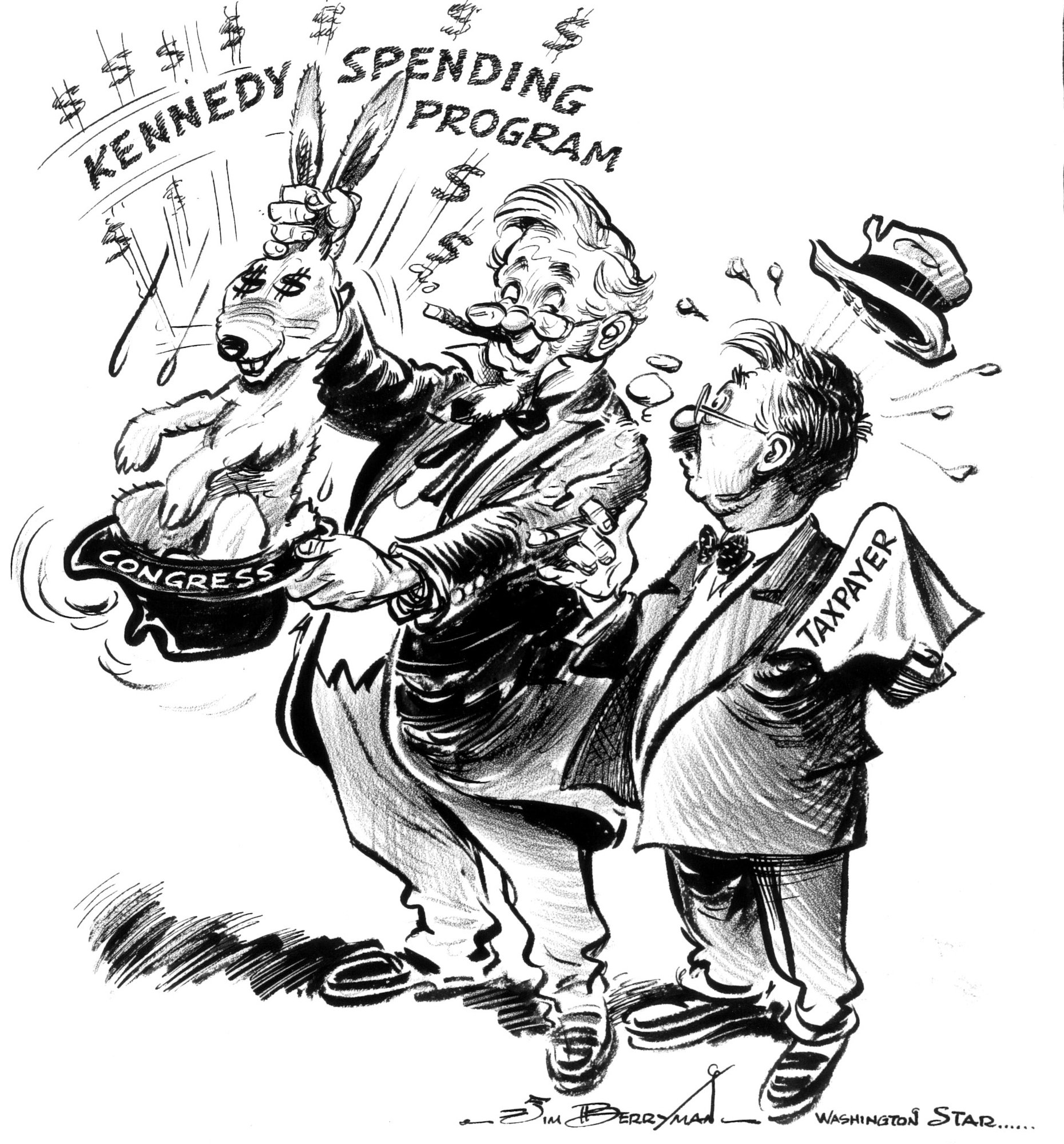
The second is whom they aim at. A government poster speaks for the administration that printed it. Berryman's cartoons spend much of their time at that administration's expense. Roosevelt's New Deal is a knight charging his own party's senators and Hopkins is sowing WPA money across the South. Truman denies a cease-fire he is reported to have ordered. Eisenhower sits in a dentist's chair with "Political Troubles" shooting from his jaw. Kennedy's spending program is a rabbit pulled from a hat labelled Congress while the taxpayer loses his own. In 1958 and 1960 Berryman drew both parties at once, swinging a nail-studded bat and a brick, and splashing paint on Uncle Sam.
The third point is easy to misread. The FRAME rights line on all 211 records says "Public domain (U.S. government work)." That reflects where the drawings are kept, in the Senate's records at the National Archives. It is not evidence that any office drew, ordered, or paid for them, and nothing in the records says so. The records do not explain how the drawings came to the Senate.
None of this makes a cartoon neutral. A cartoon is an argument by one person, made as hard as a drawing can make it, and FRAME tags these with the same techniques it uses for wartime posters: card stacking 45 times, fear appeal 44, name-calling 38, transfer 38. The methods are the same. What differs is that a newspaper's opinion has a name on it and competes with every other paper on the stand, while a government's message comes with the government's power behind it. A free country leaves both legal, and keeps its closest watch on the one backed by power. For a case where private papers did push the country toward war, see the site's study of the yellow press in 1898; for a private effort in the 1930s to teach readers to spot these devices, see the Institute for Propaganda Analysis.
What the cartoons got wrong
A free press is not a fair one. Some of these sheets draw people by ethnic caricature, and the words they printed stay here as printed. The Washington football team appears in 1939 as a figure in a feathered headdress and in 1943 as a whooping figure in war paint lettered "REDSKINS." A 1940 boxing page gives a Black boxer a broad written dialect and runs a joke line beginning "CONFUCIUS, SHE SAY." A 1951 cartoon labels the Japanese peace treaty "JAP TREATY." A 1947 sheet draws the Southern voter as a stubble-chinned rustic with a mule. They were demeaning to the people drawn, and that was so when they ran. They are part of the record of what a Washington daily printed, and the gallery shows them.
FRAME's own descriptions are candid about the other limit. In at least 78 of the 211 records, the description calls the technique tag a weak fit, often because a sports joke or a holiday greeting has no persuasive aim to classify. The tags are a reading aid, not a finding that every cartoon was propaganda.
Two names
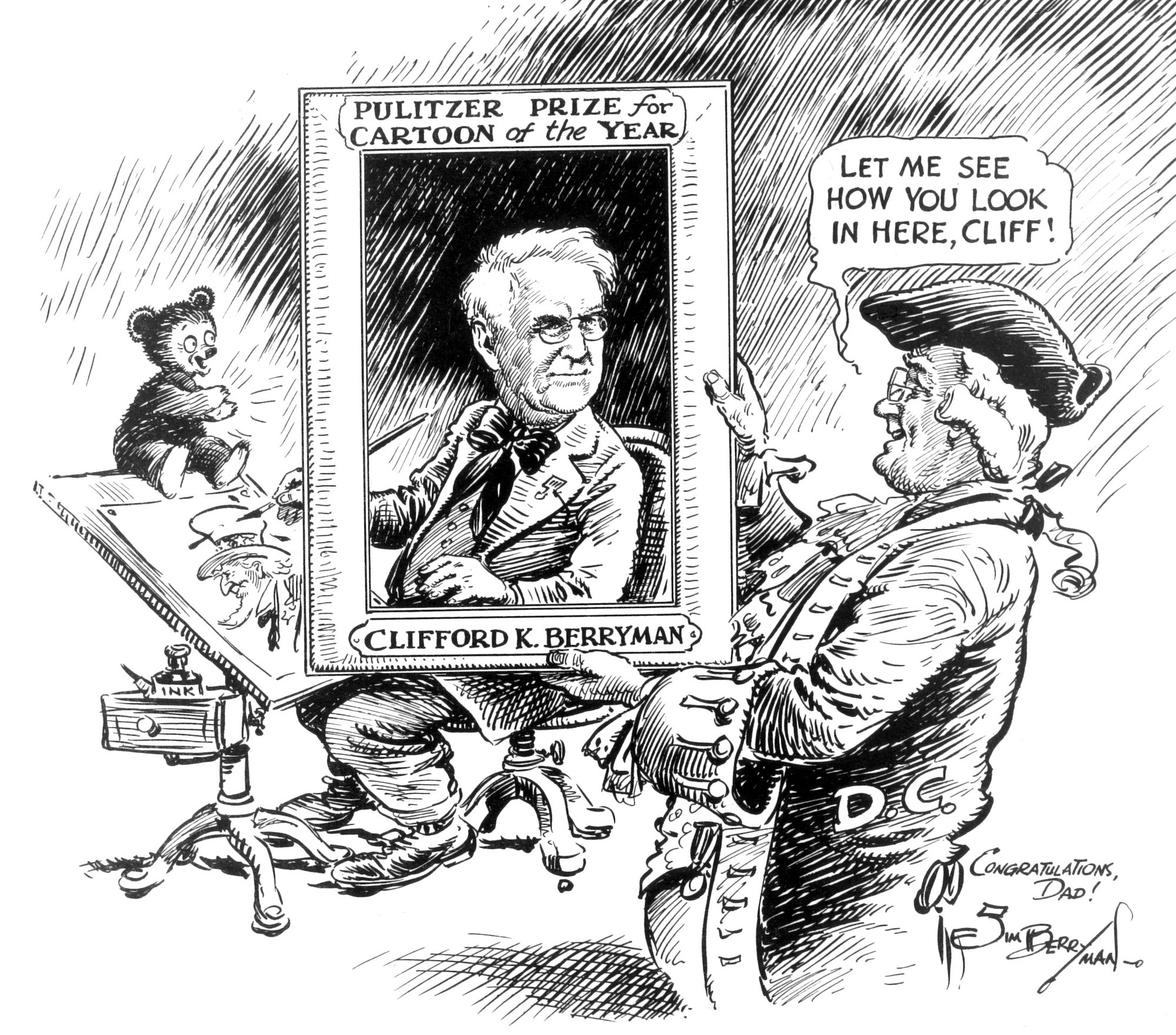
The surname is shared, but the records credit every one of the 211 to Jim Berryman. Clifford K. Berryman appears once, as a subject: in Congratulations, Dad! (May 1944), the capital holds a frame lettered "Pulitzer Prize for Cartoon of the Year" up to a cartoonist labelled with his name, and the margin note above Jim's signature reads "Congratulations, Dad!". No cartoon in the snapshot is credited to Clifford, and none in the set is dated before 1928.
What this hub does not cover
No other Star cartoonist has a credited row in the snapshot; Gib Crockett's name appears only beside Jim Berryman's on a 1952 New Year's greeting. The paper's front page of 7 August 1945 is in the atomic-age hub. Biography of either Berryman is not given, because the archive records do not give it. The civil rights, atomic-age and Korean War cartoons also appear in their subject hubs: civil rights era messaging, civil defense and the atomic age, and Korean War messaging, where they sit beside the government's own sheets for comparison.
 United StatesJim Berryman cartoon gallery, 1928–1963
 United StatesSigns of Spring
 United StatesLost! In a Forest of Confusing Dope
 United StatesBut Boss, Them Ain't Windmills!
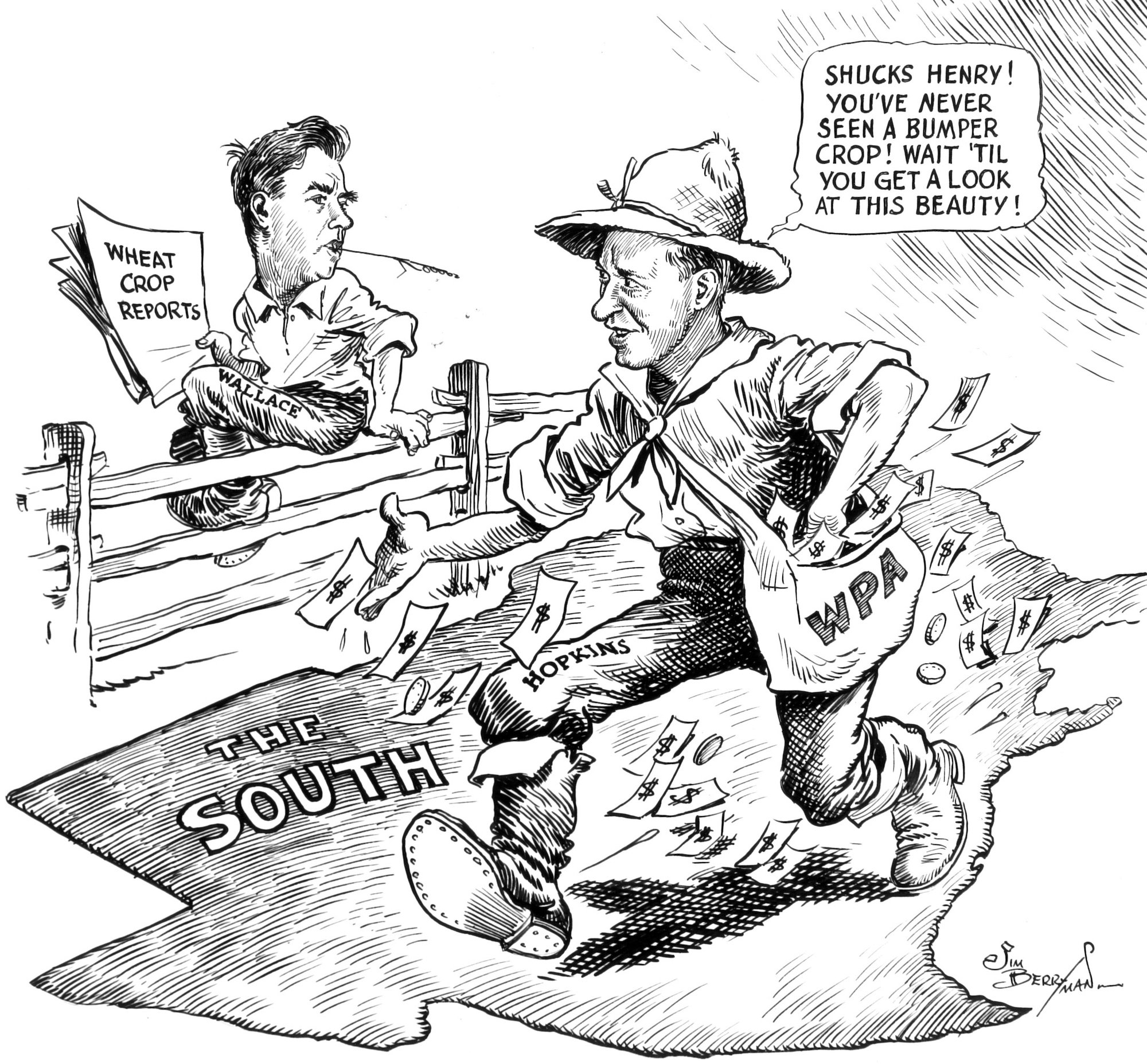 United StatesShucks Henry! (The Sower)
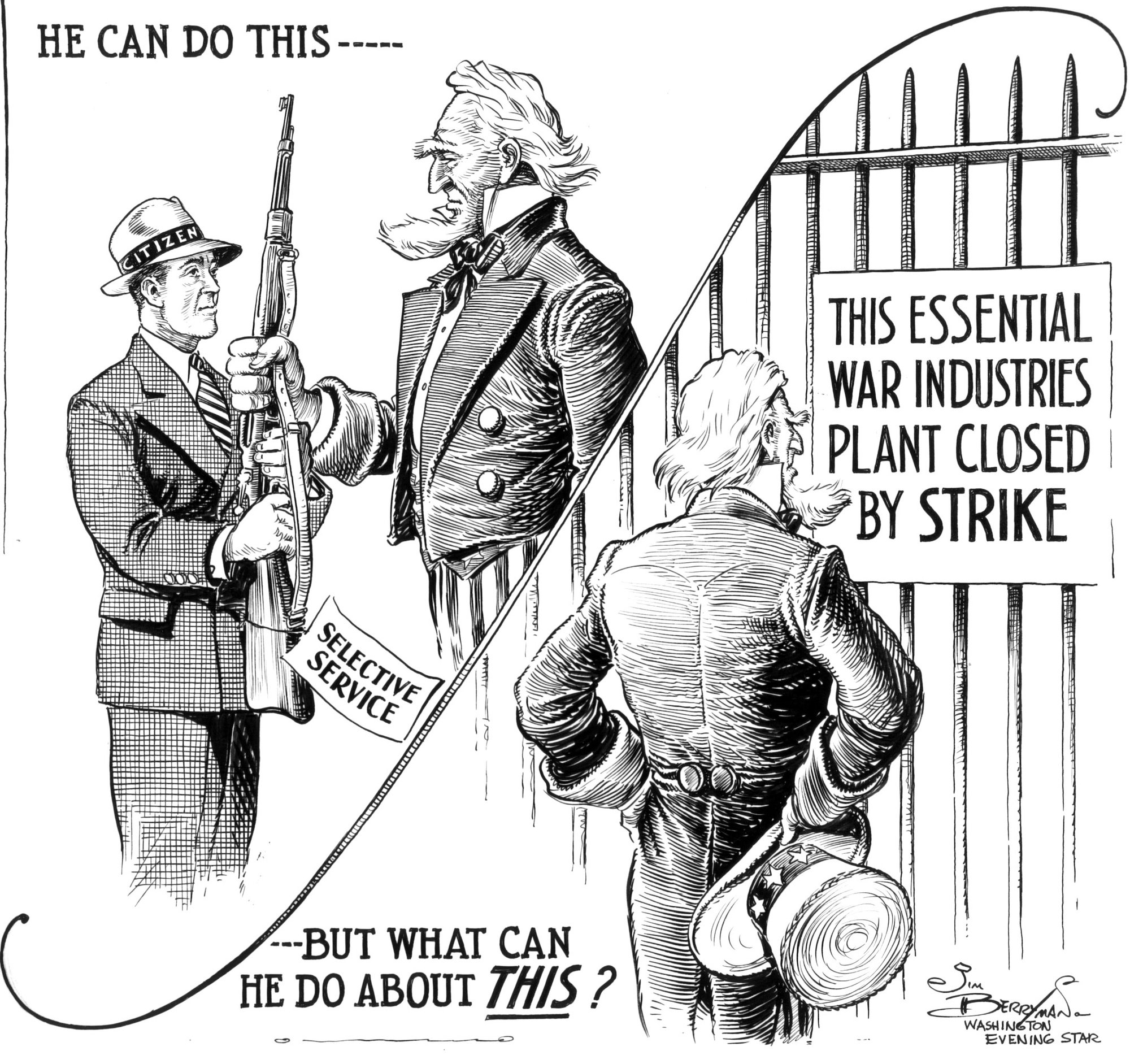 United StatesHe Can Do This... (Berryman, 1940)
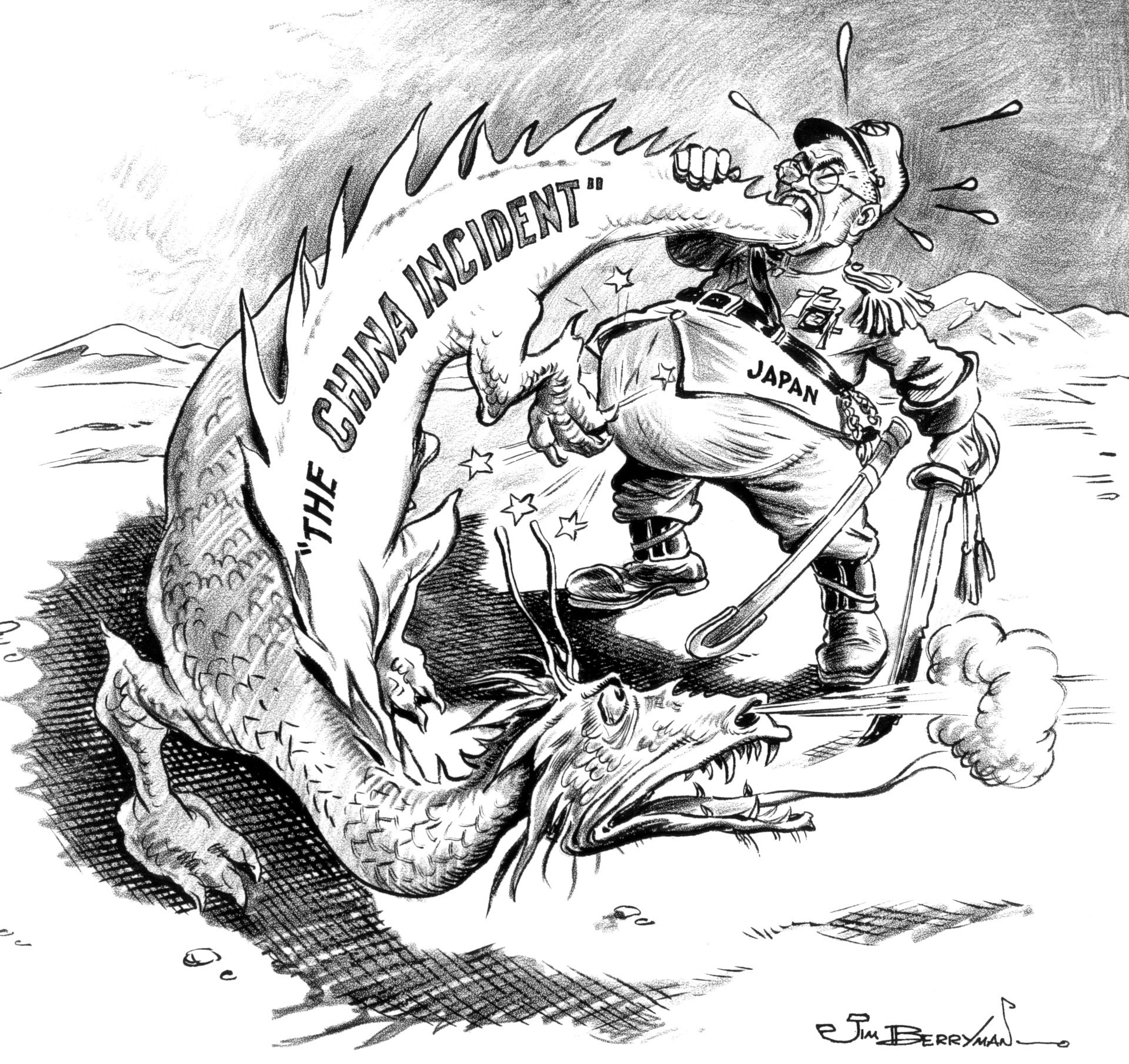 United StatesFive Years of Dragon-Swallowing
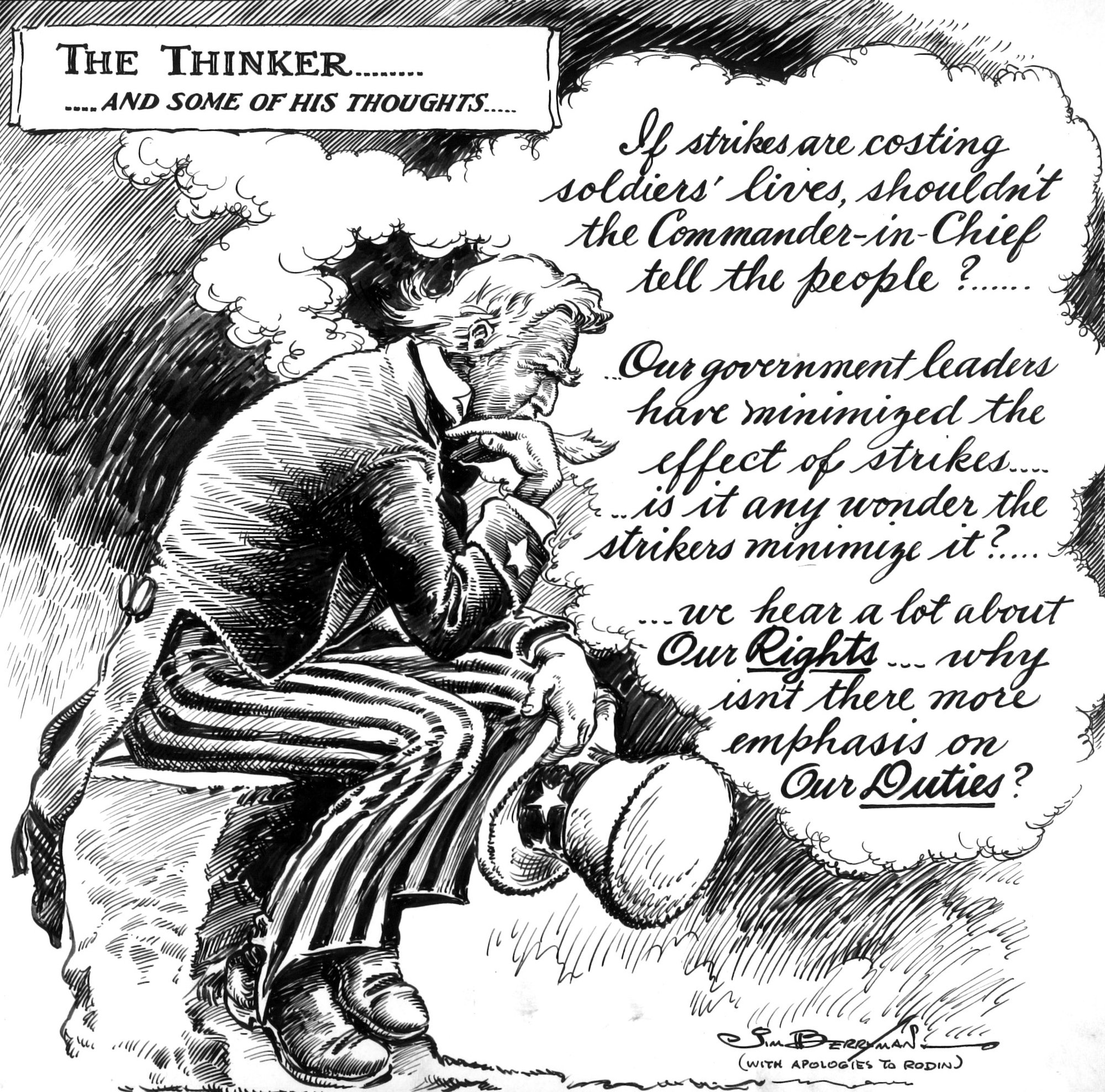 United StatesThe Thinker...and Some of His Thoughts (1944)United StatesCongratulations, Dad! (Berryman, 1944)
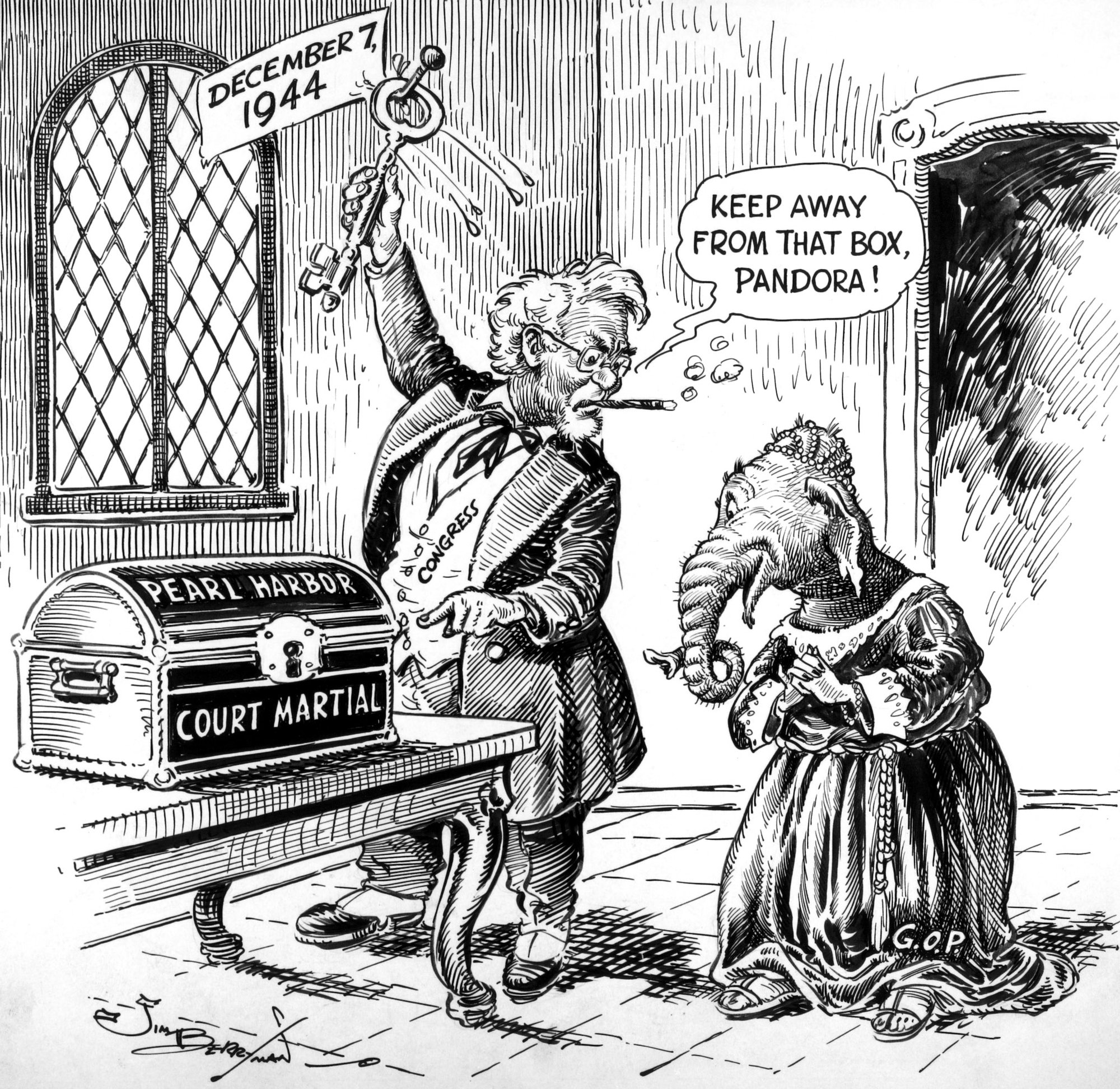 United StatesI Just Can't Stand Secrets (1944)
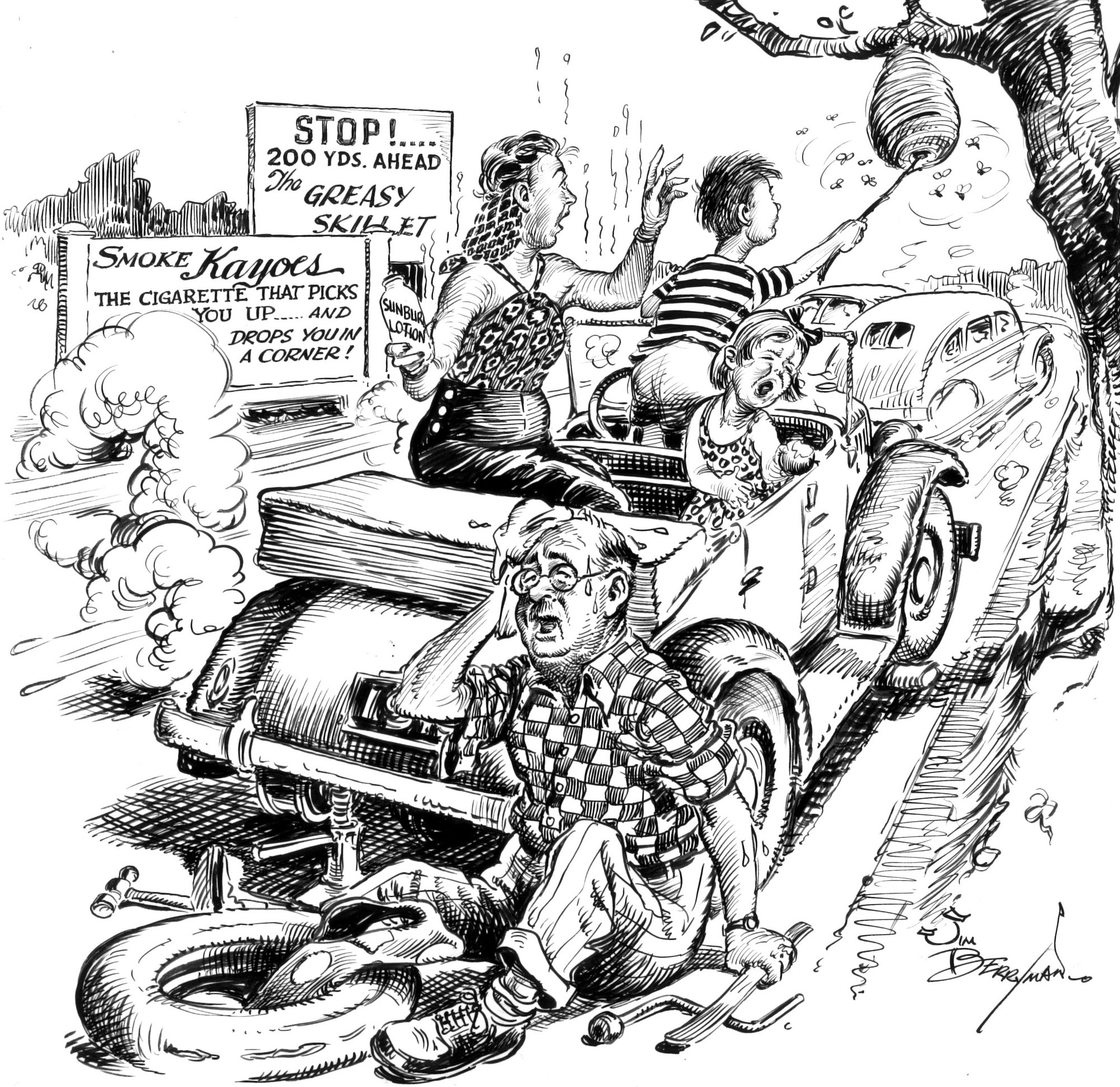 United StatesBack to Normalcy
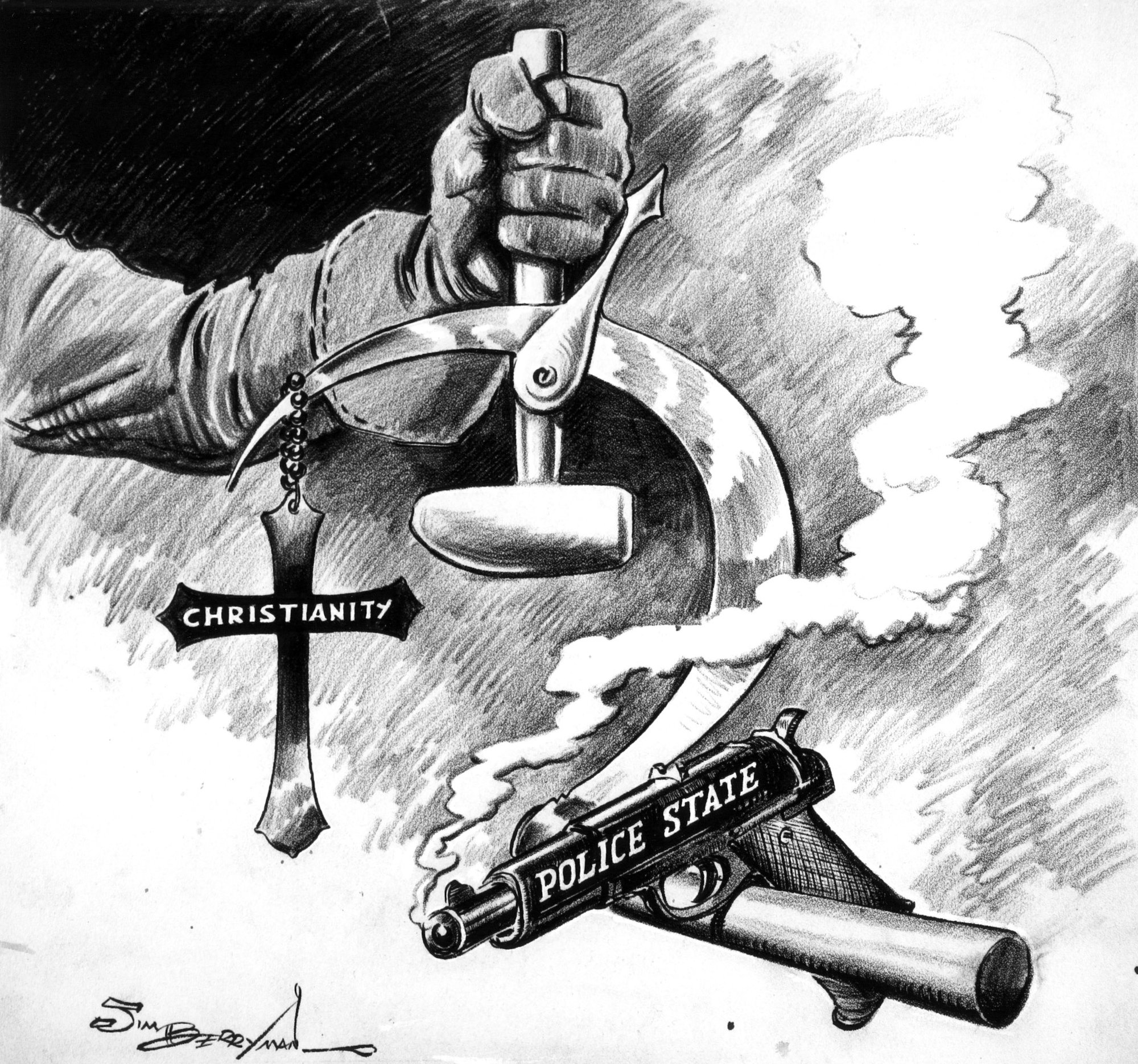 United StatesOn Soviet Scales
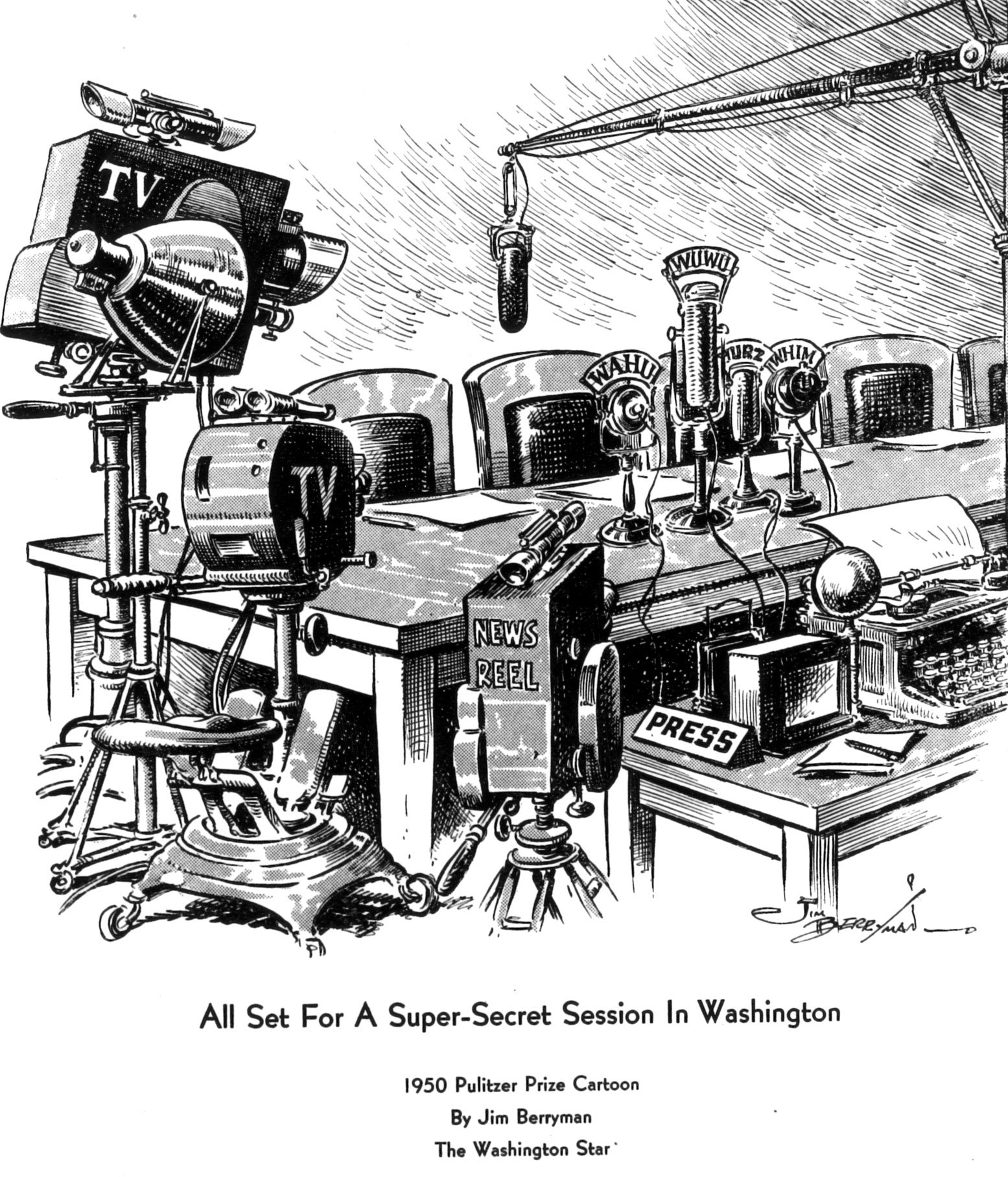 United StatesSuper-Secret Session (Berryman, 1949)
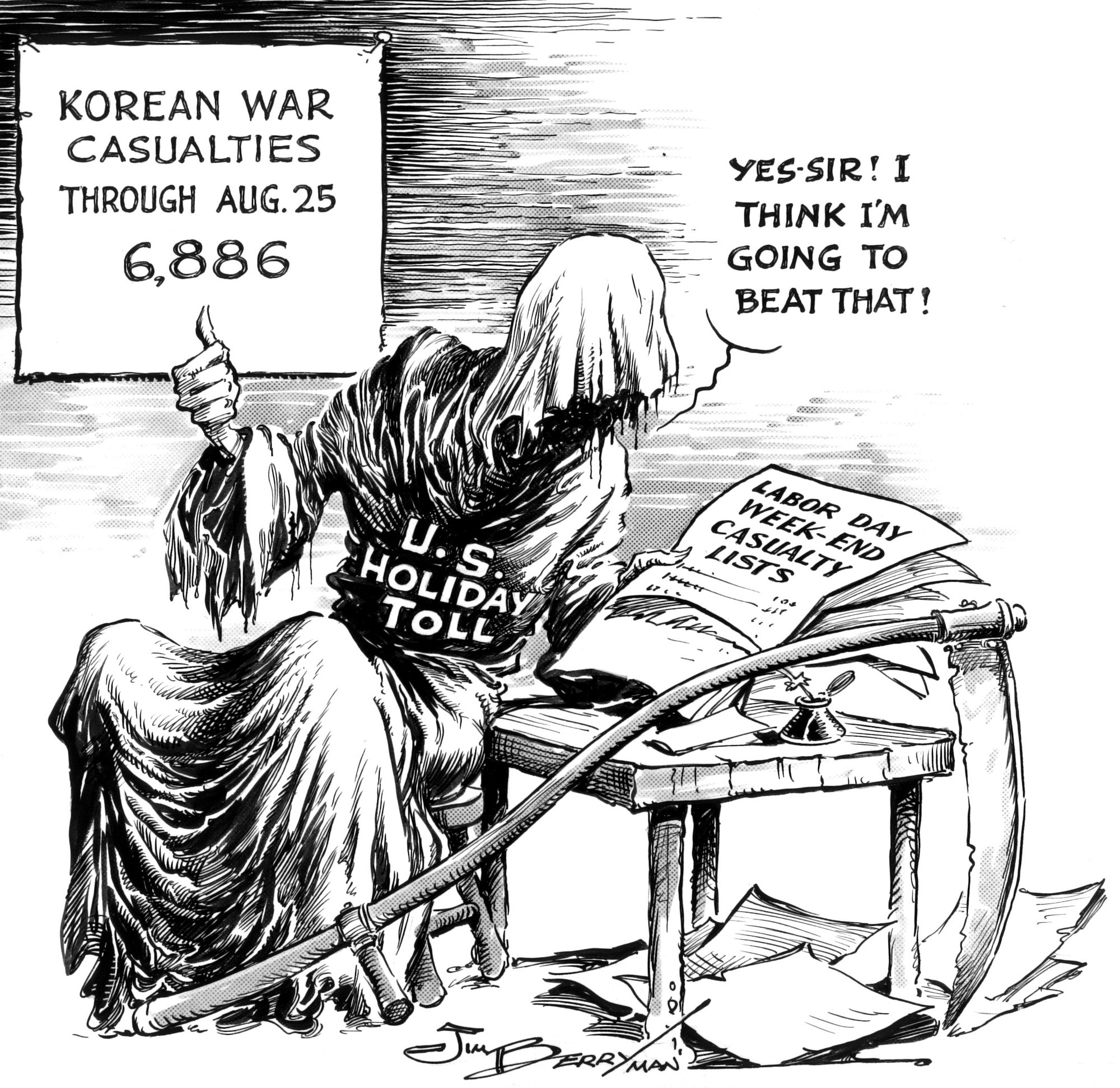 United StatesHoliday Toll vs. Korean War casualties (1950)
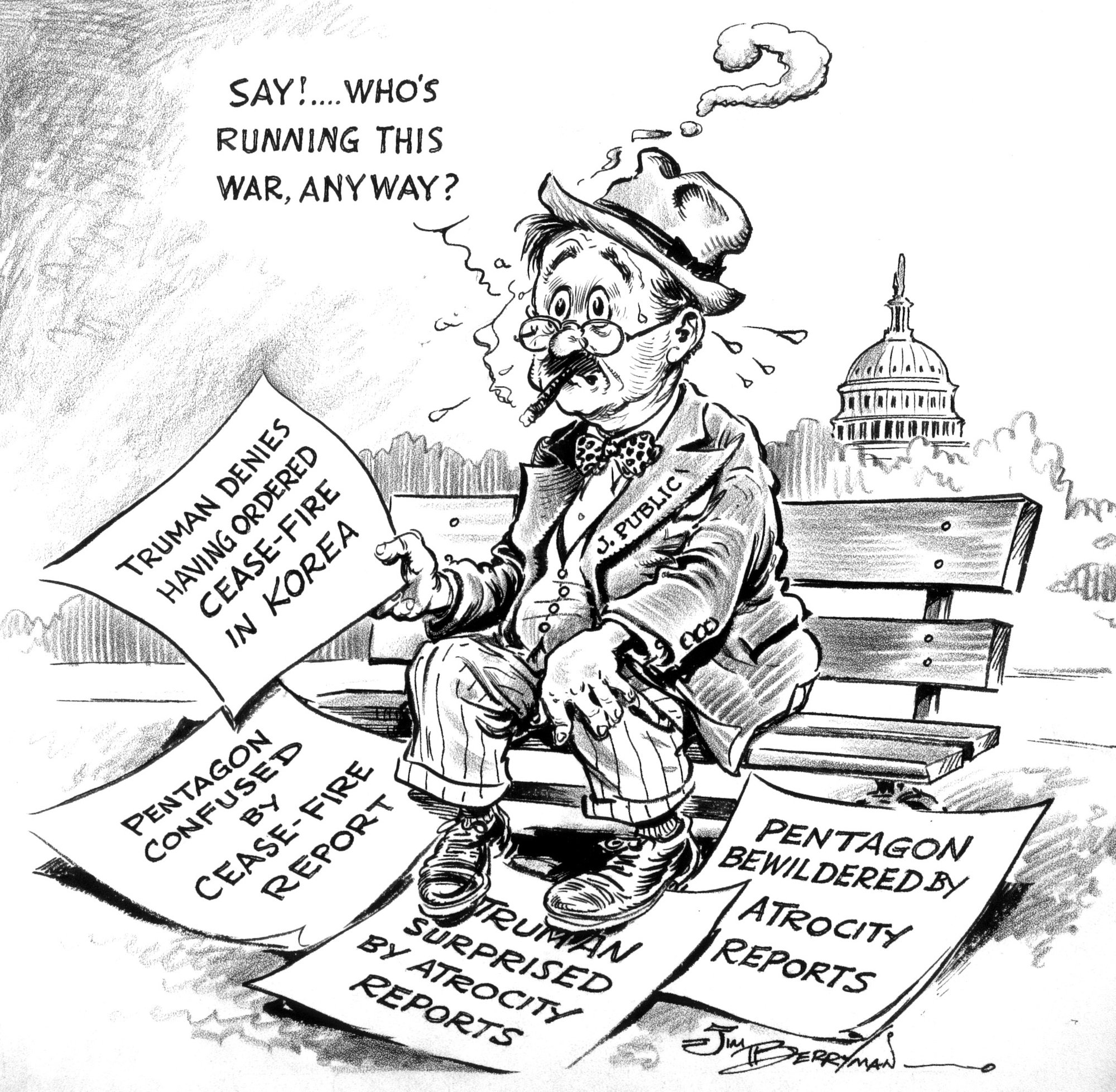 United StatesWho's Running This War? (Berryman, 1951)
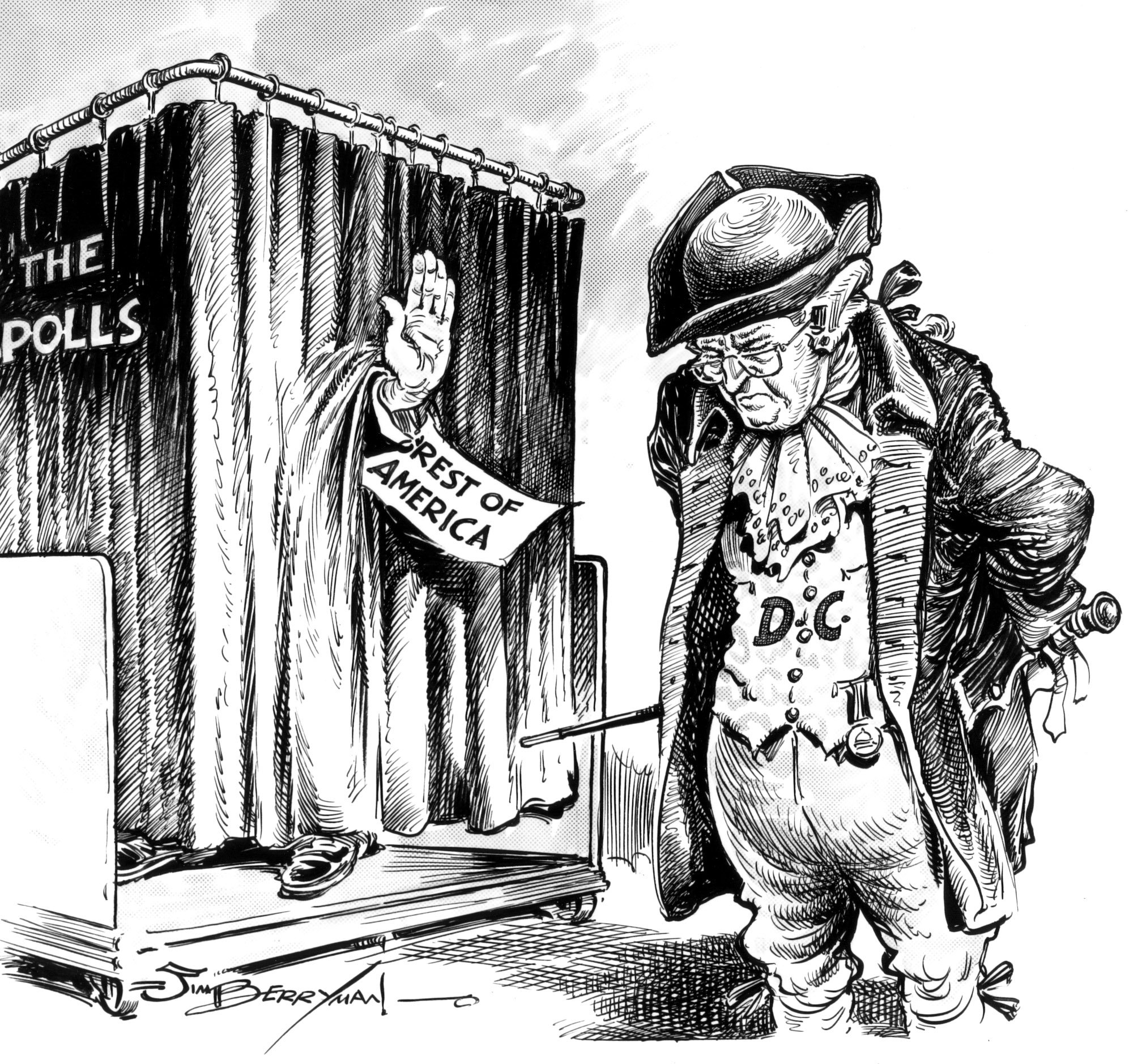 United StatesWe Have Our Own Iron Curtain (1952)
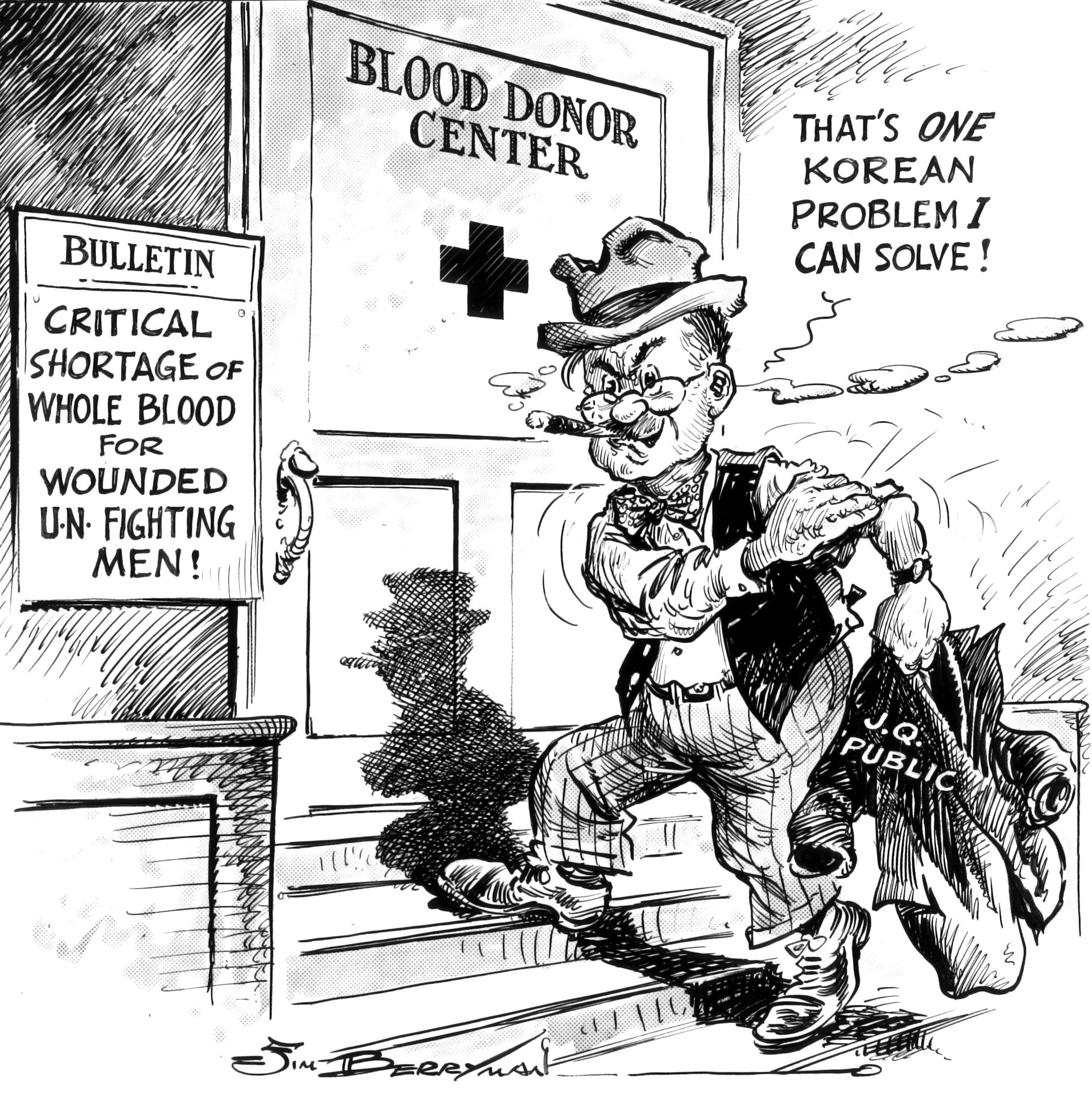 United States"One Korean problem I can solve" (1953)
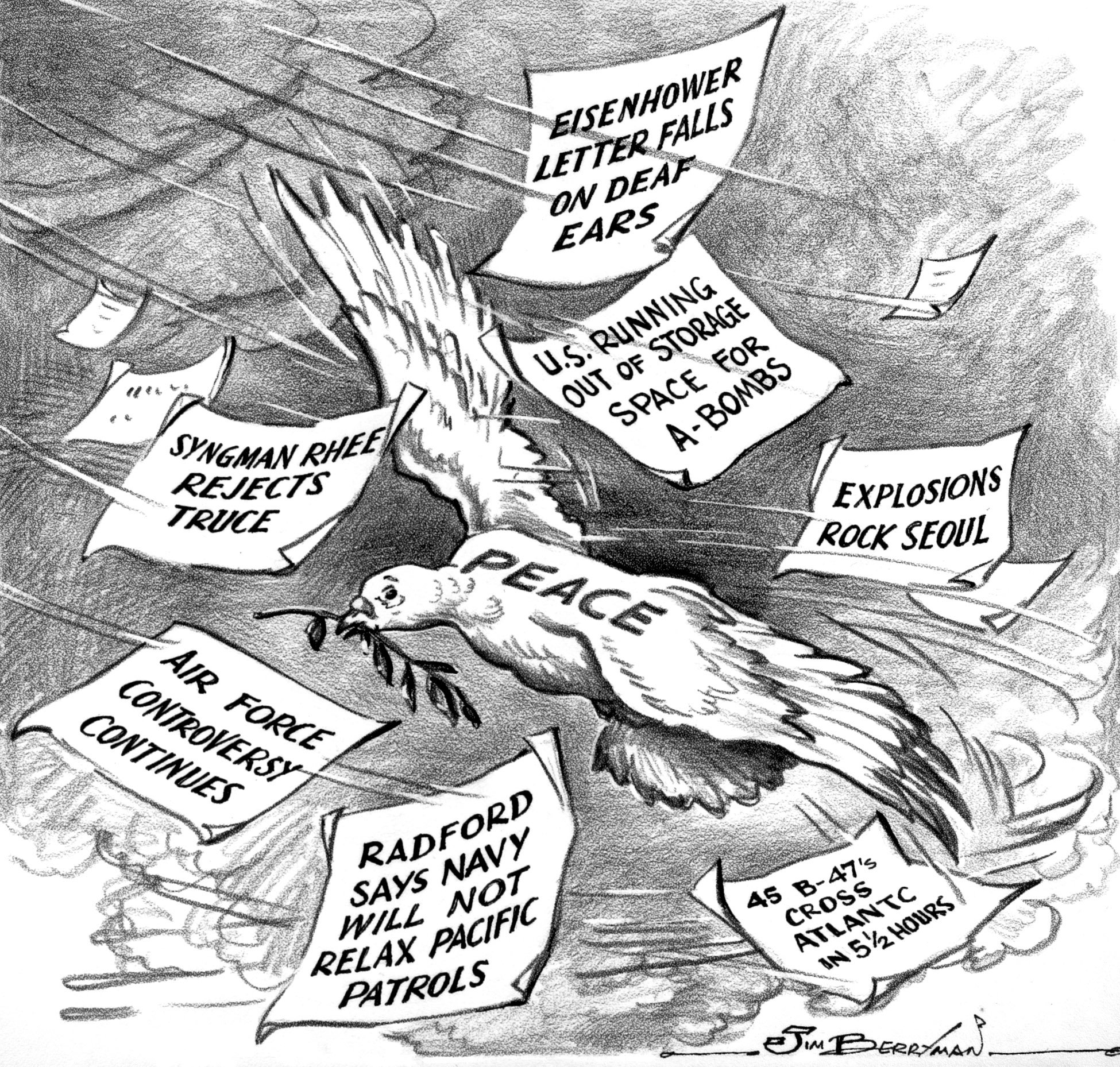 United StatesCeiling Zero (Berryman, 1953)
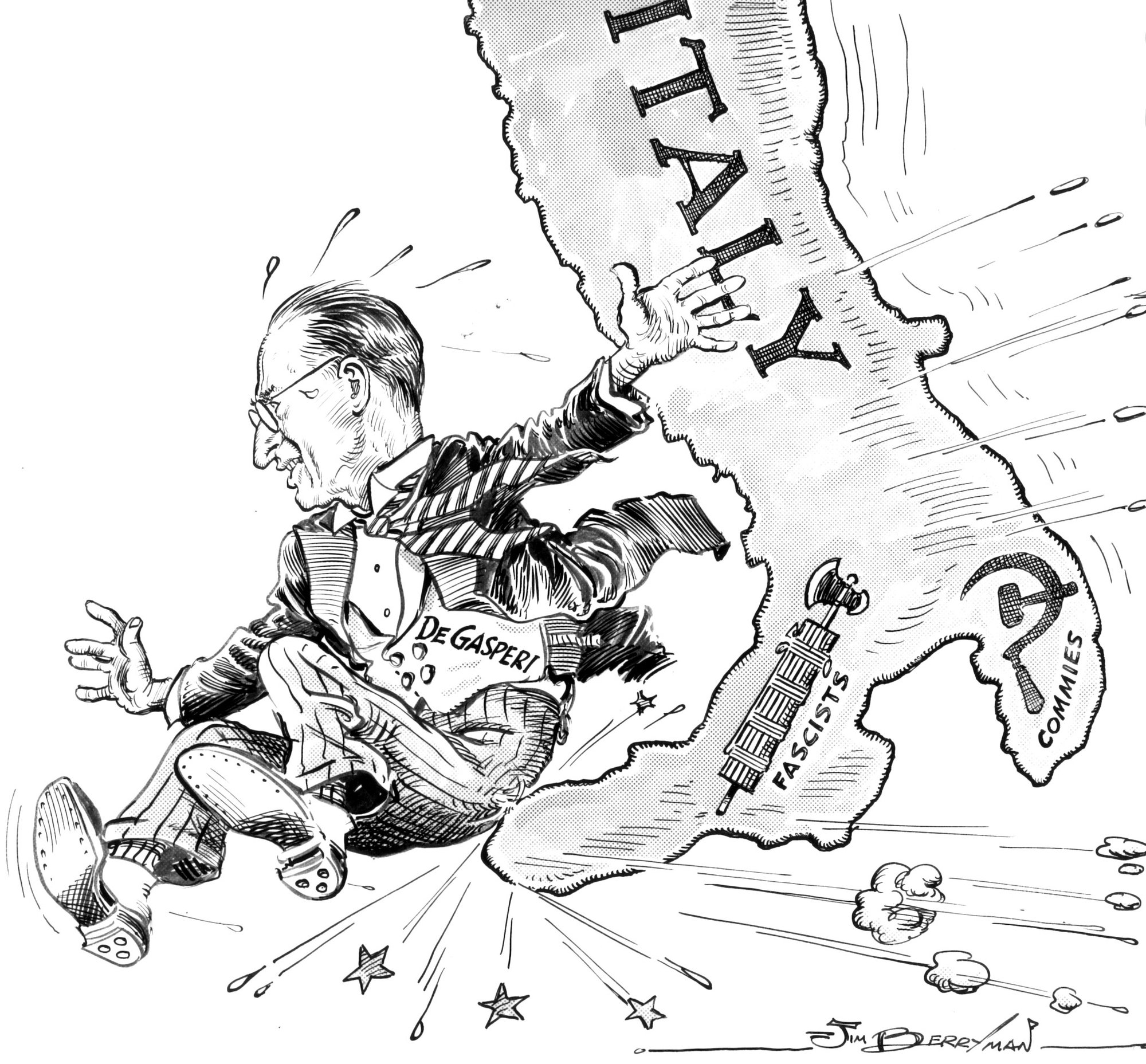 United StatesThe Boot... Toe and Heel (1953)
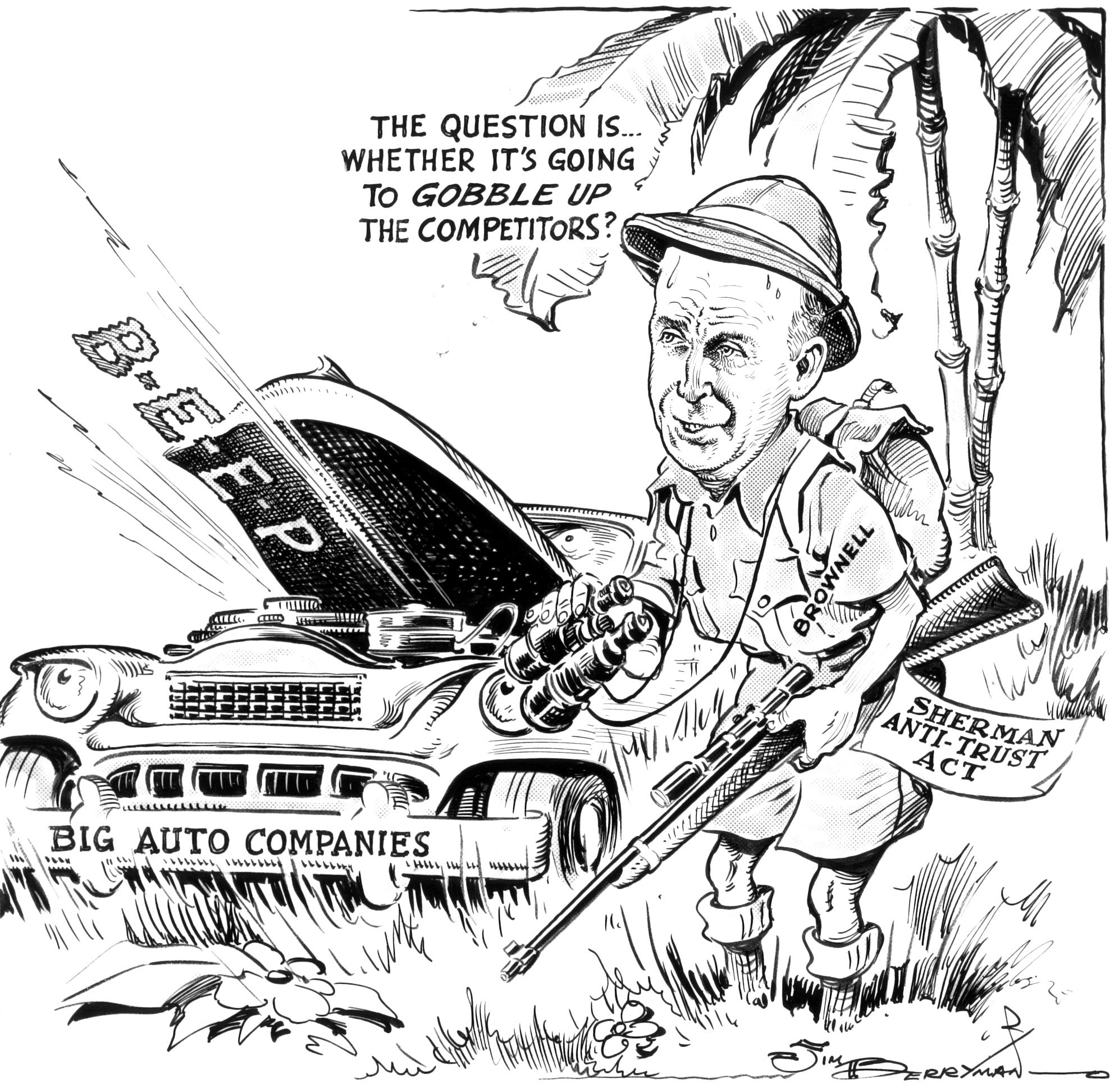 United StatesDetroit Safari
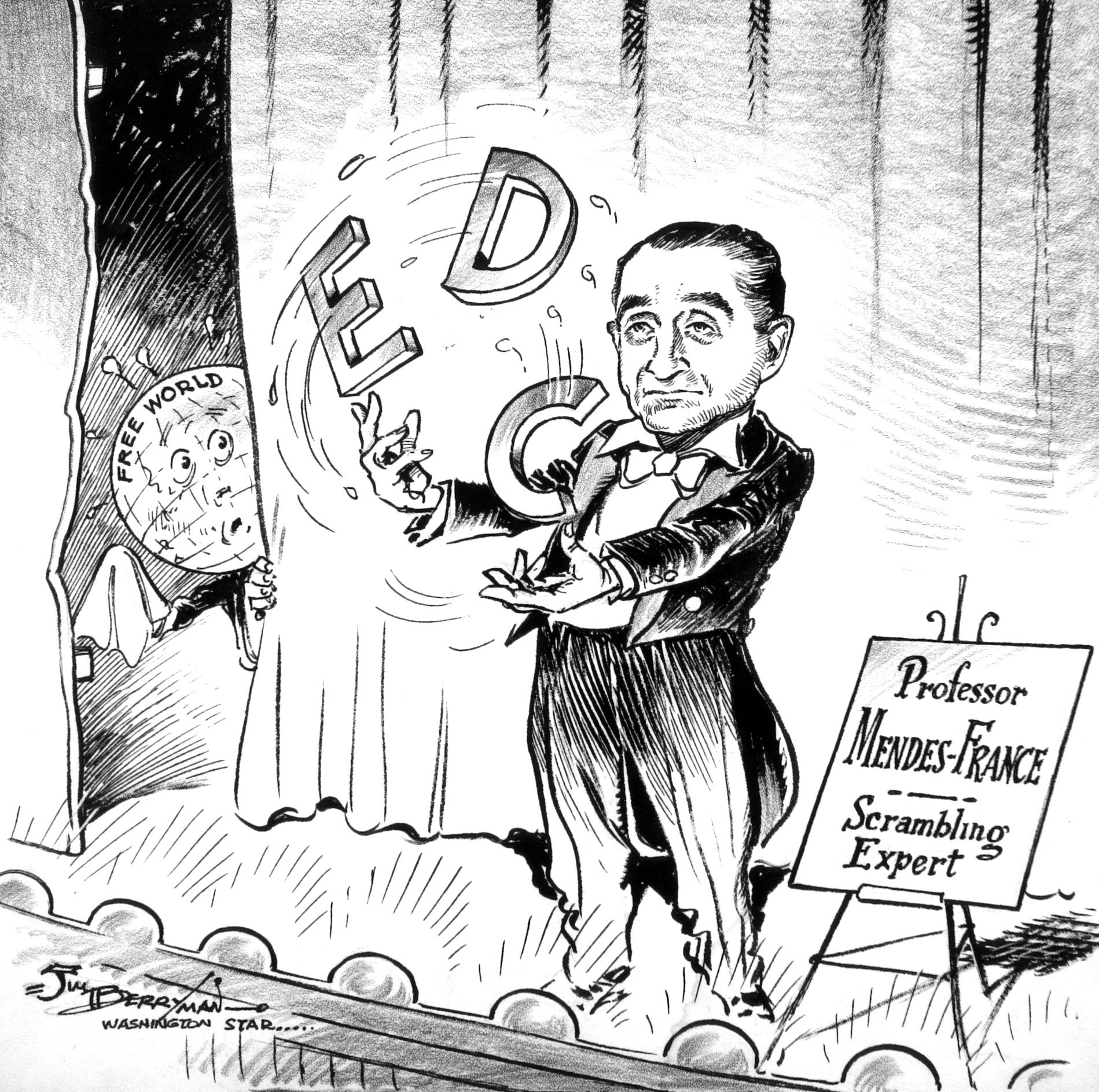 United StatesThe Juggler (1954)
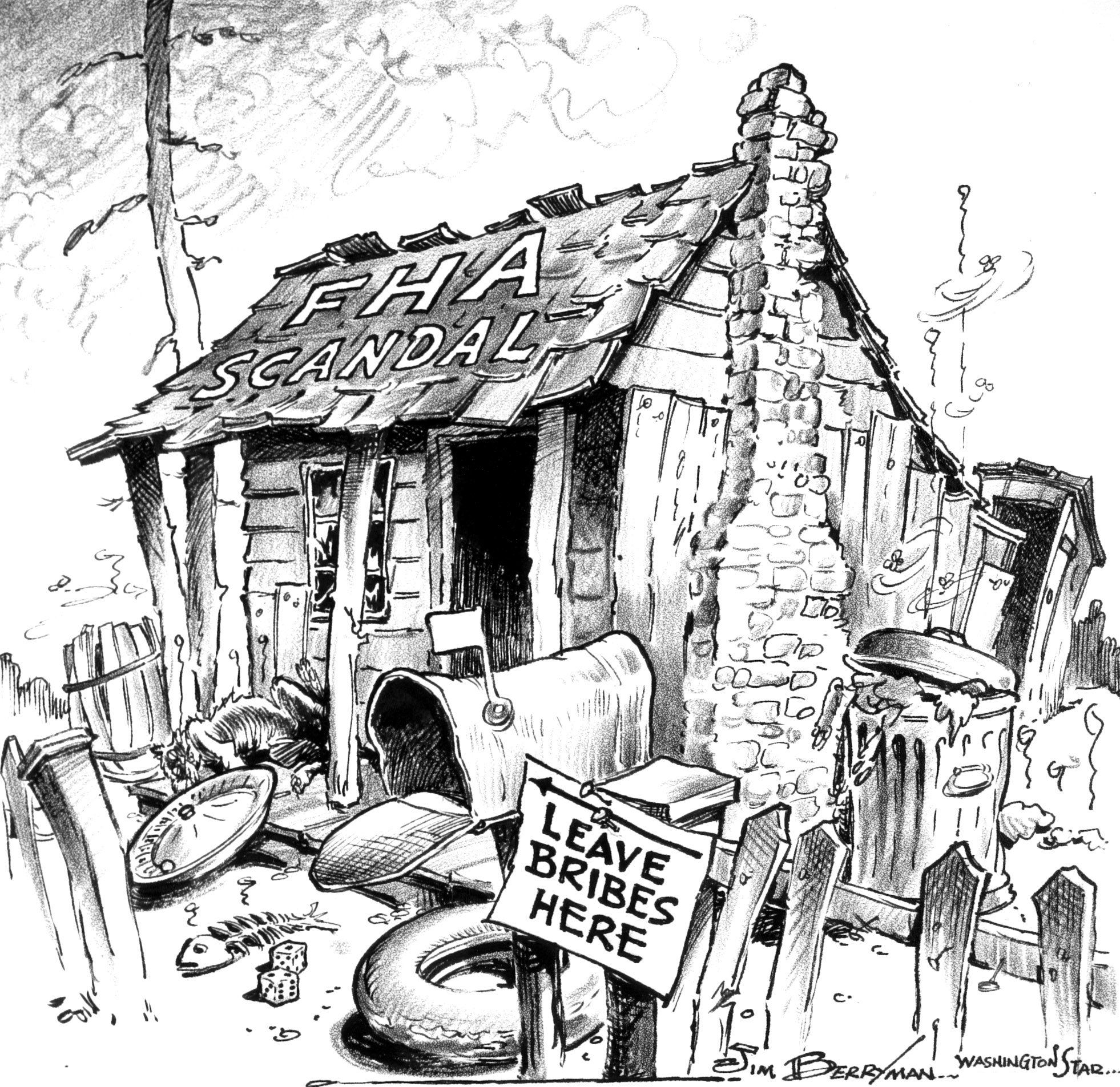 United StatesThe House That Jack Built
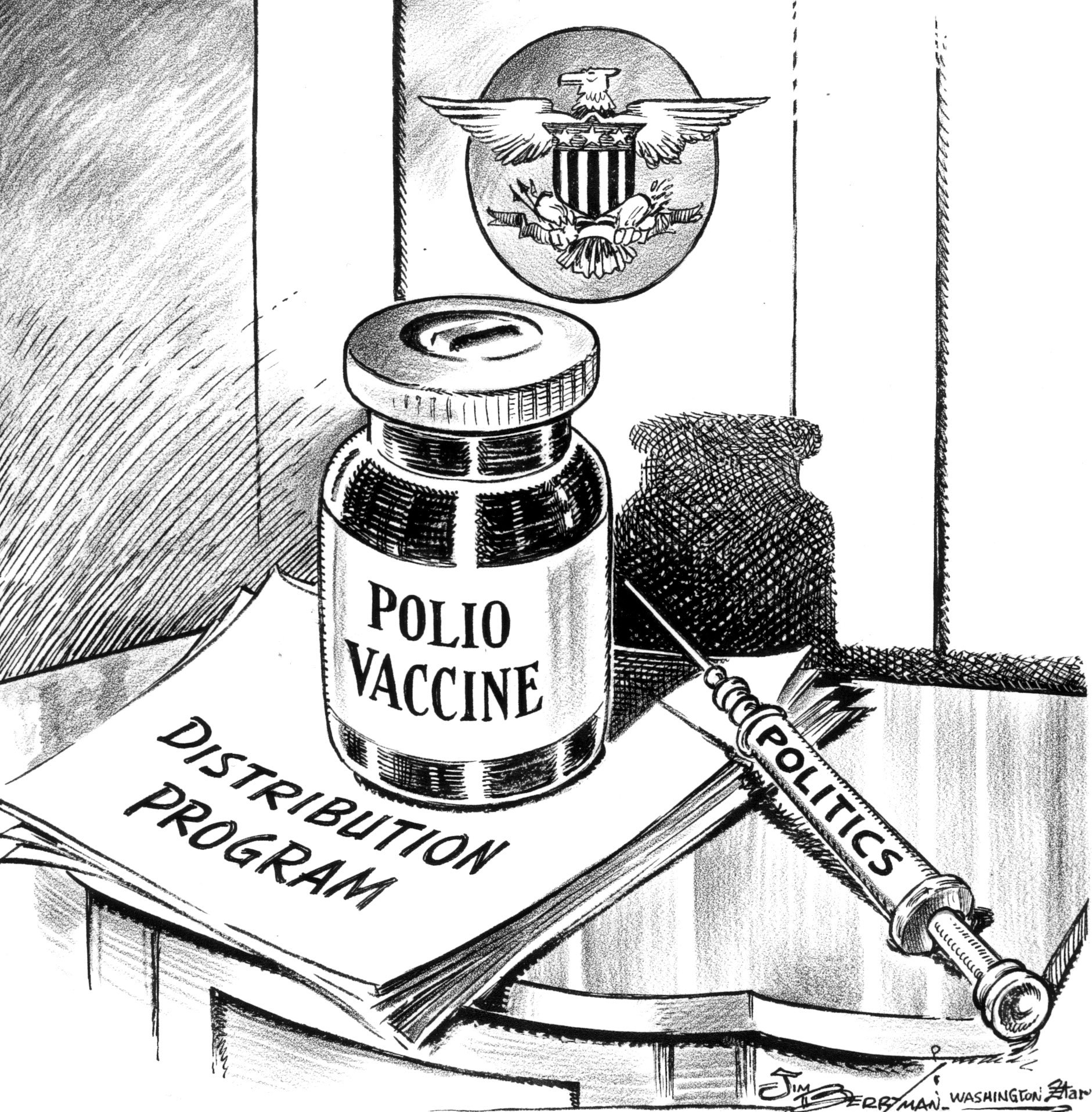 United StatesLay This Needle Aside
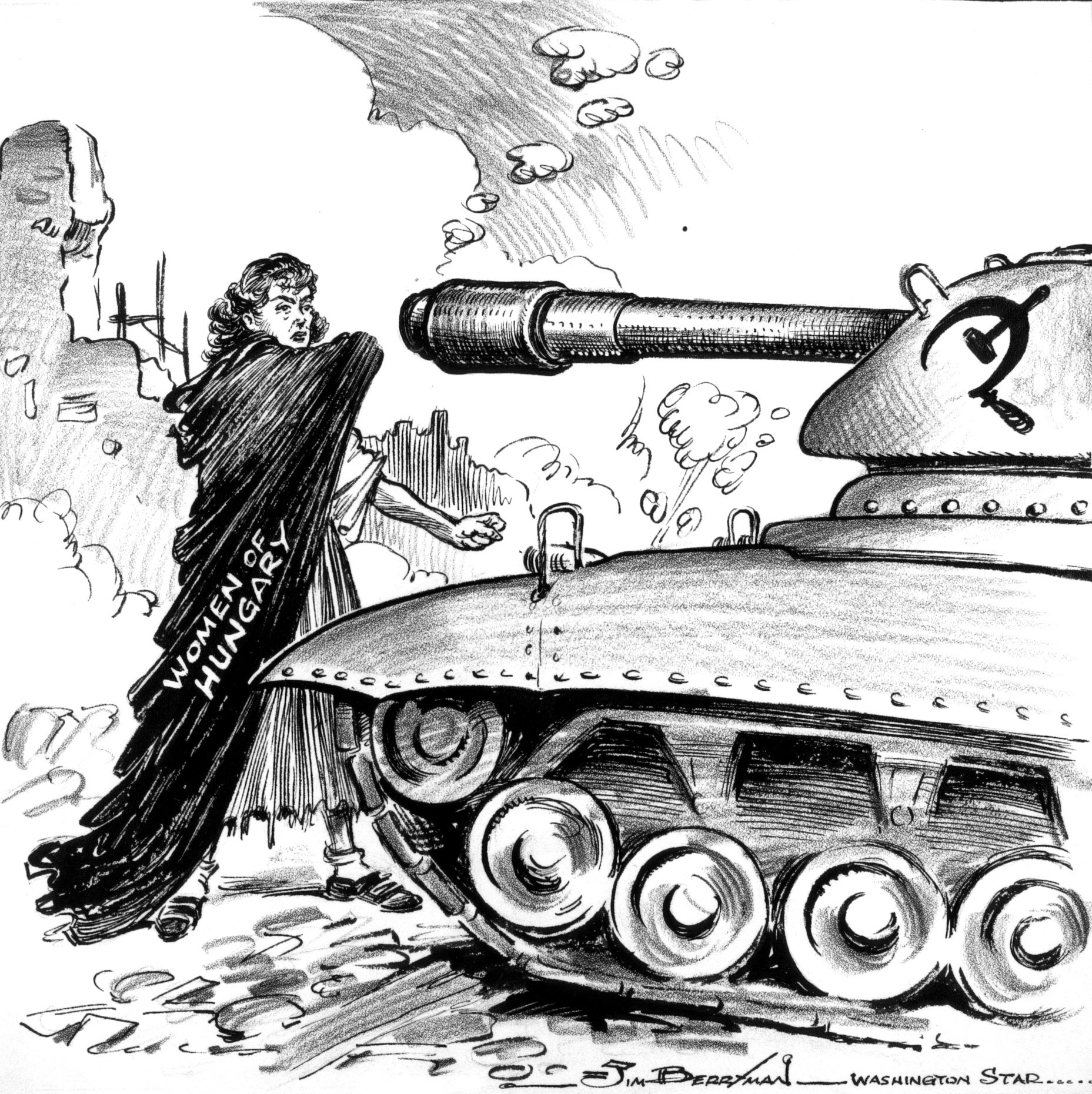 United StatesThis Wouldn't Stand Inspection! (1956)
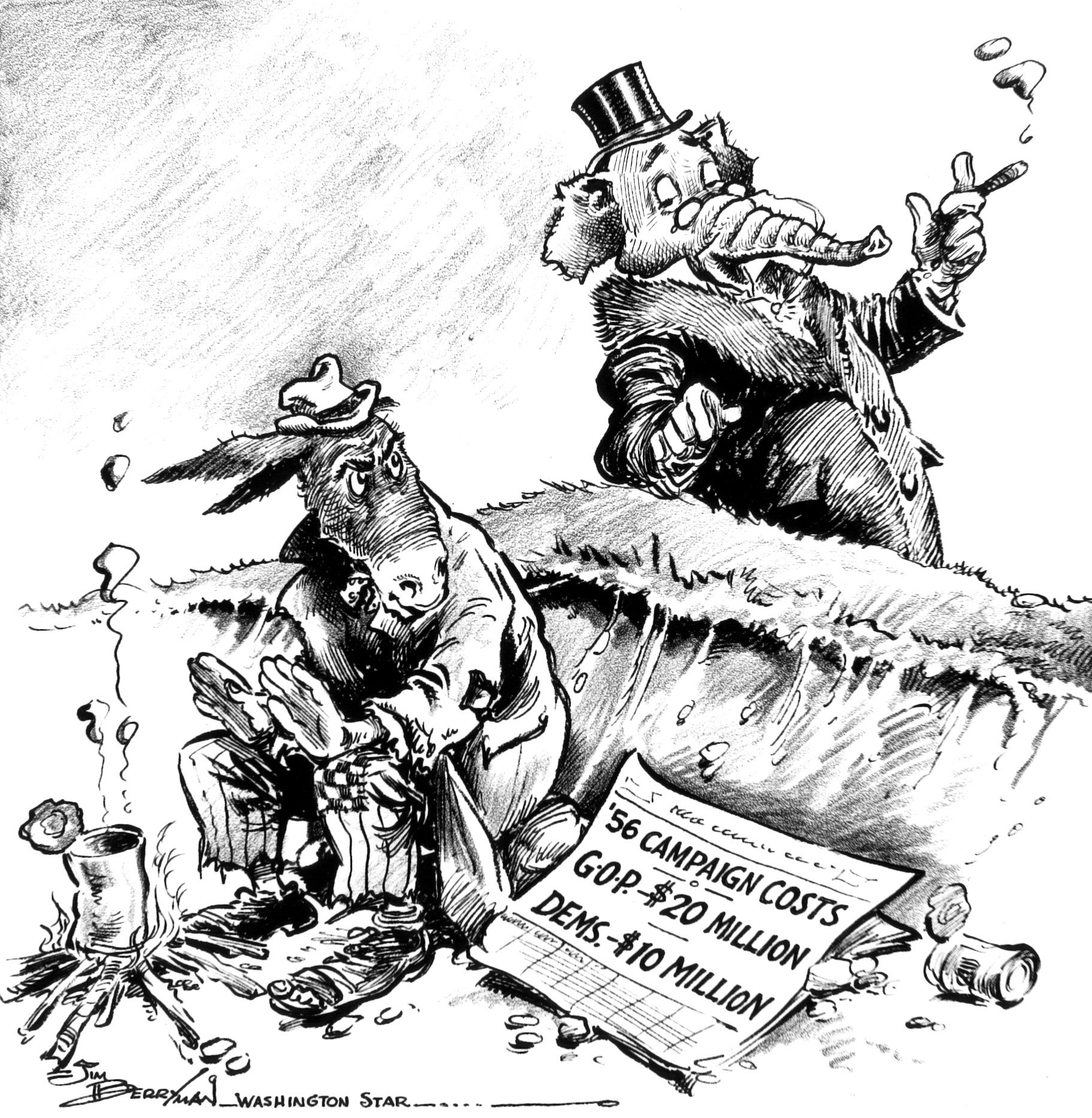 United StatesMoney Well Spent, I Say (1957)
 United StatesNo Jury Trial for the Likes of You
 United StatesThe Place Is Full of Simon Legrees!
 United StatesDummy, Dummy...Who's Got the Dummy?
 United StatesA Fellow Just Isn't Safe ANYWHERE Anymore!
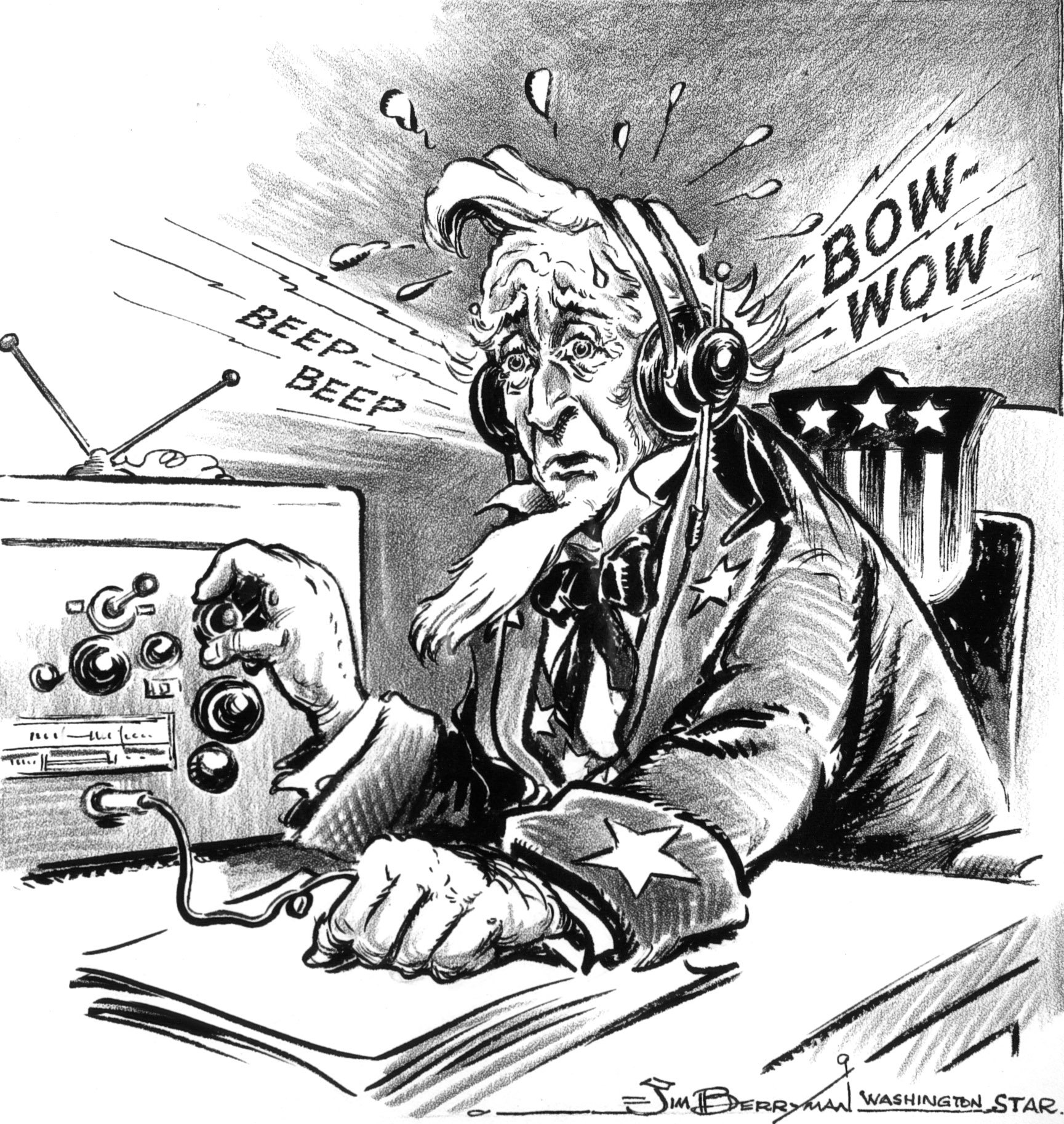 United StatesIt Shouldn't Happen to a Dog! (1957)
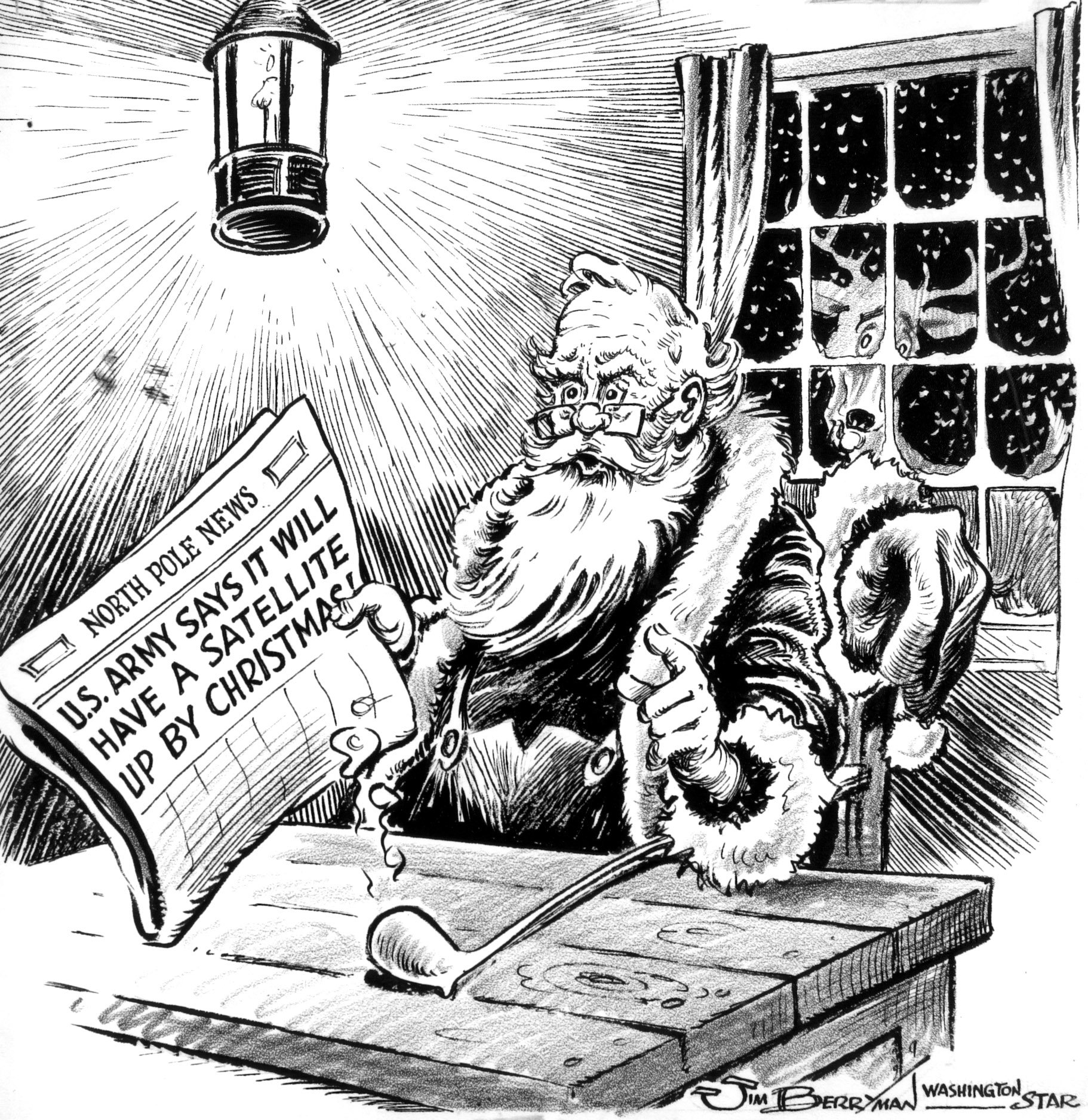 United StatesSaint-nik
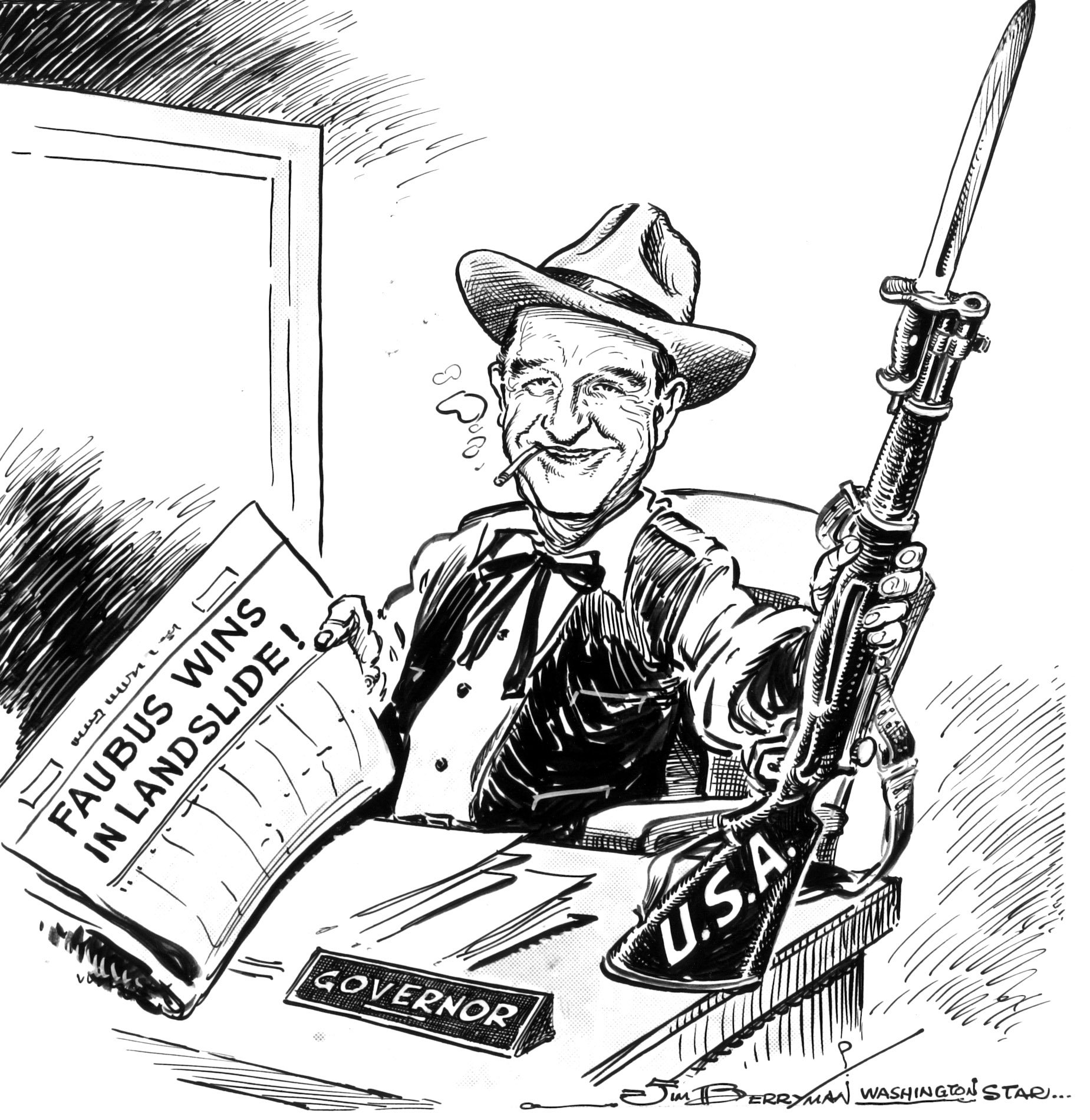 United StatesFaubus Wins in Landslide
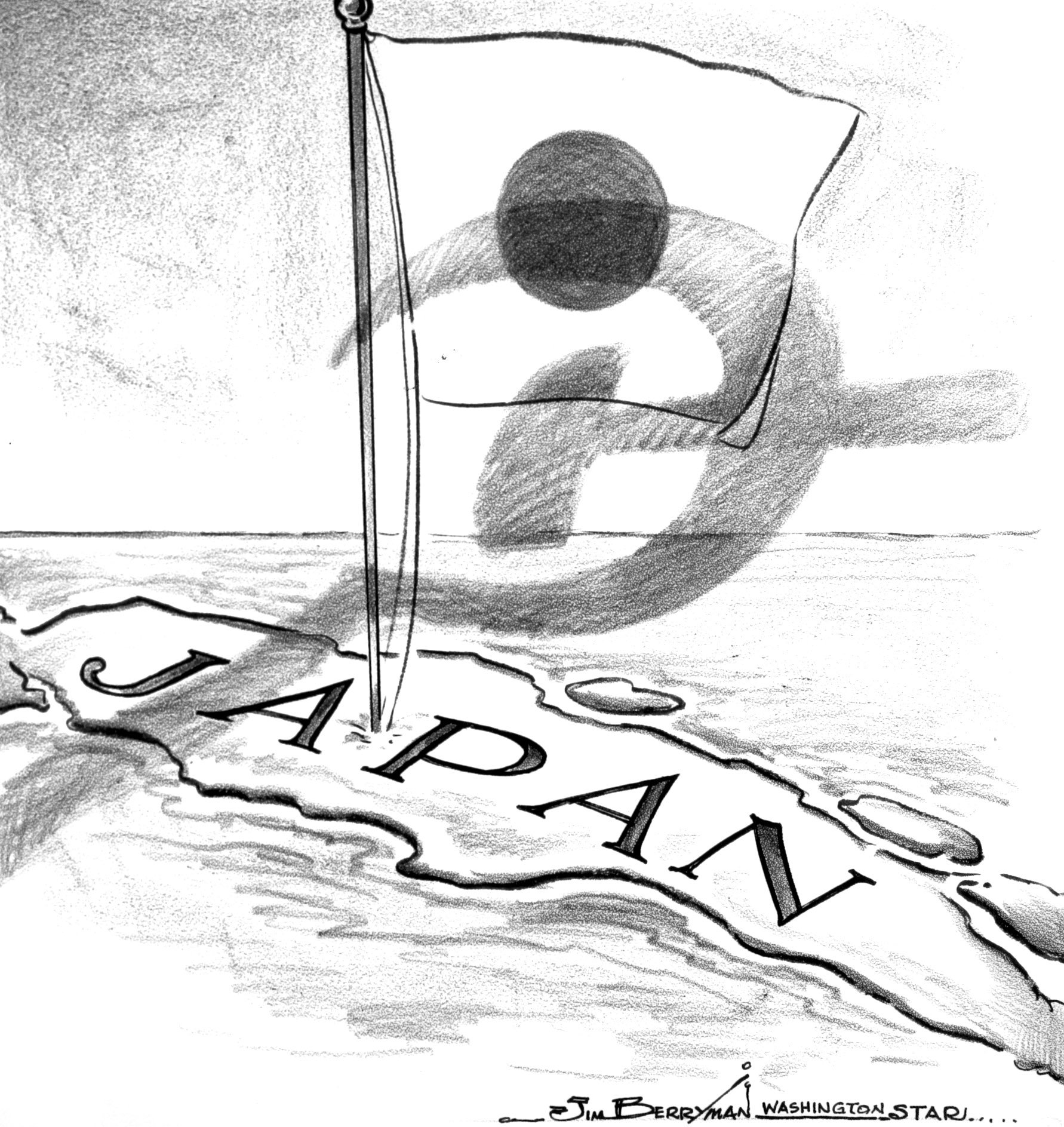 United StatesShadow Across the Rising Sun (1960)
 United StatesSoviet Scales of Justice
 United StatesIn English or Spanish
 United StatesI Promised You an Easter Bunny
 United StatesL'etat, C'est Moi
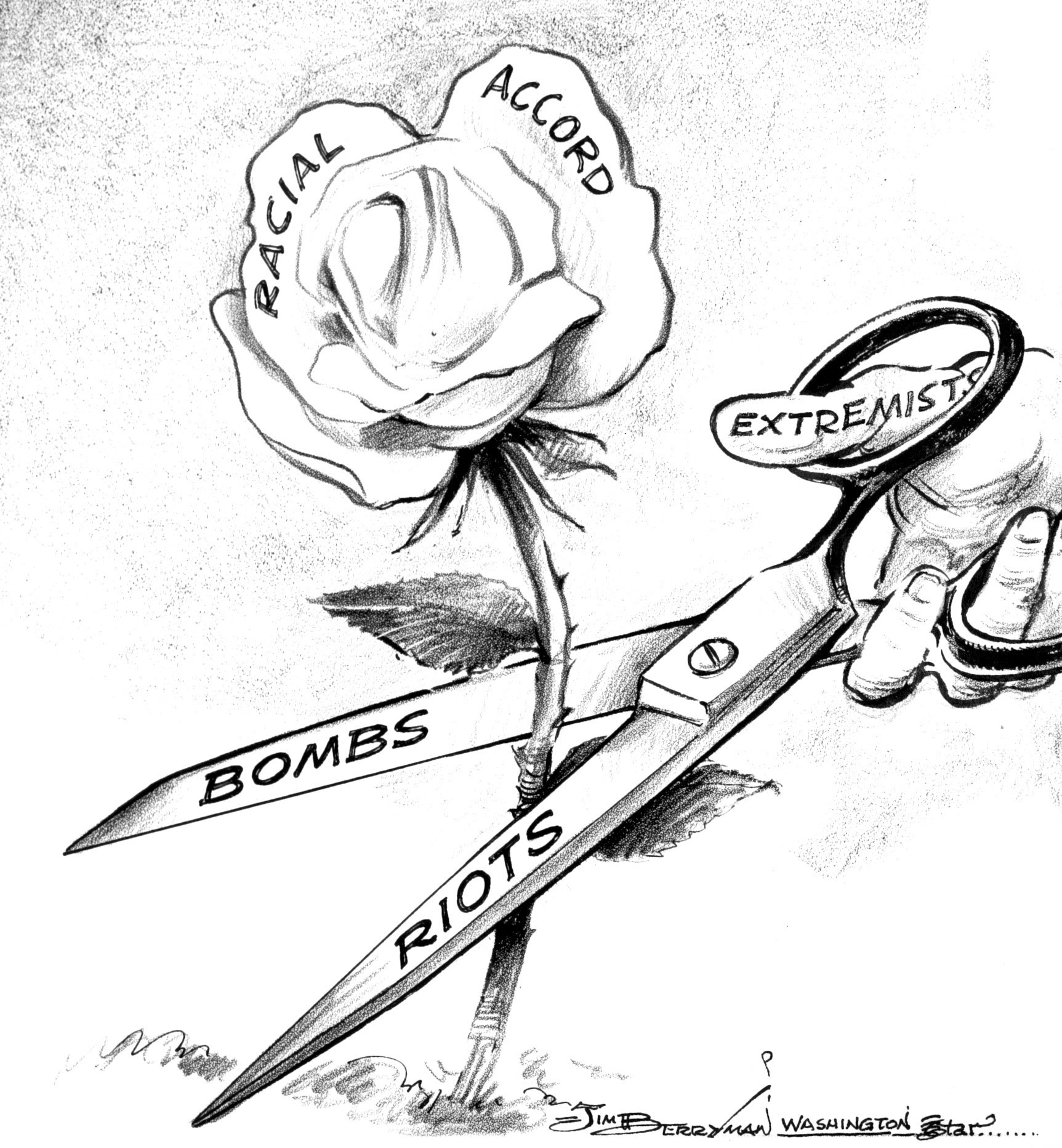 United StatesA Flower Tries to Grow in Birmingham
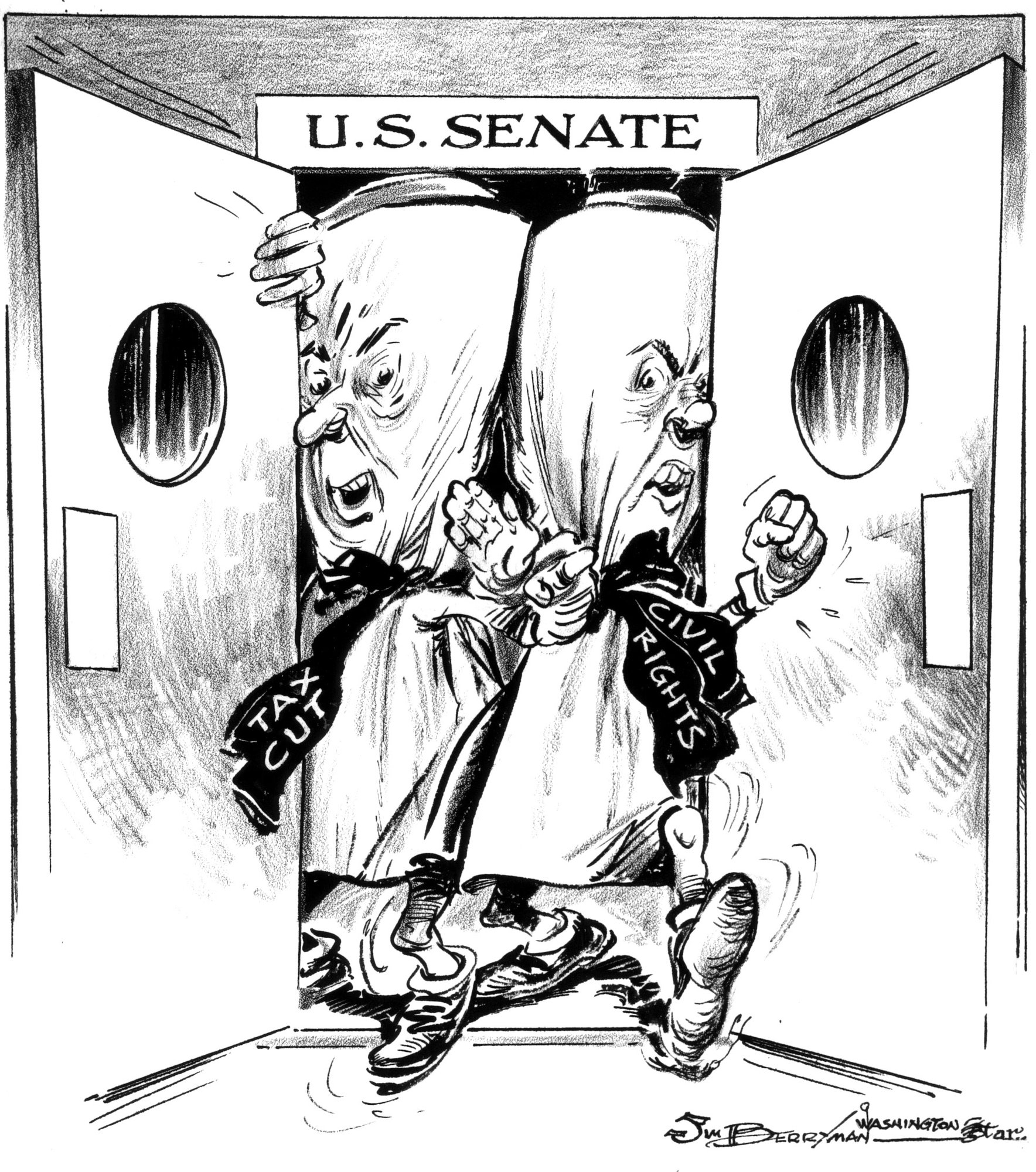 United StatesLet Me Through!
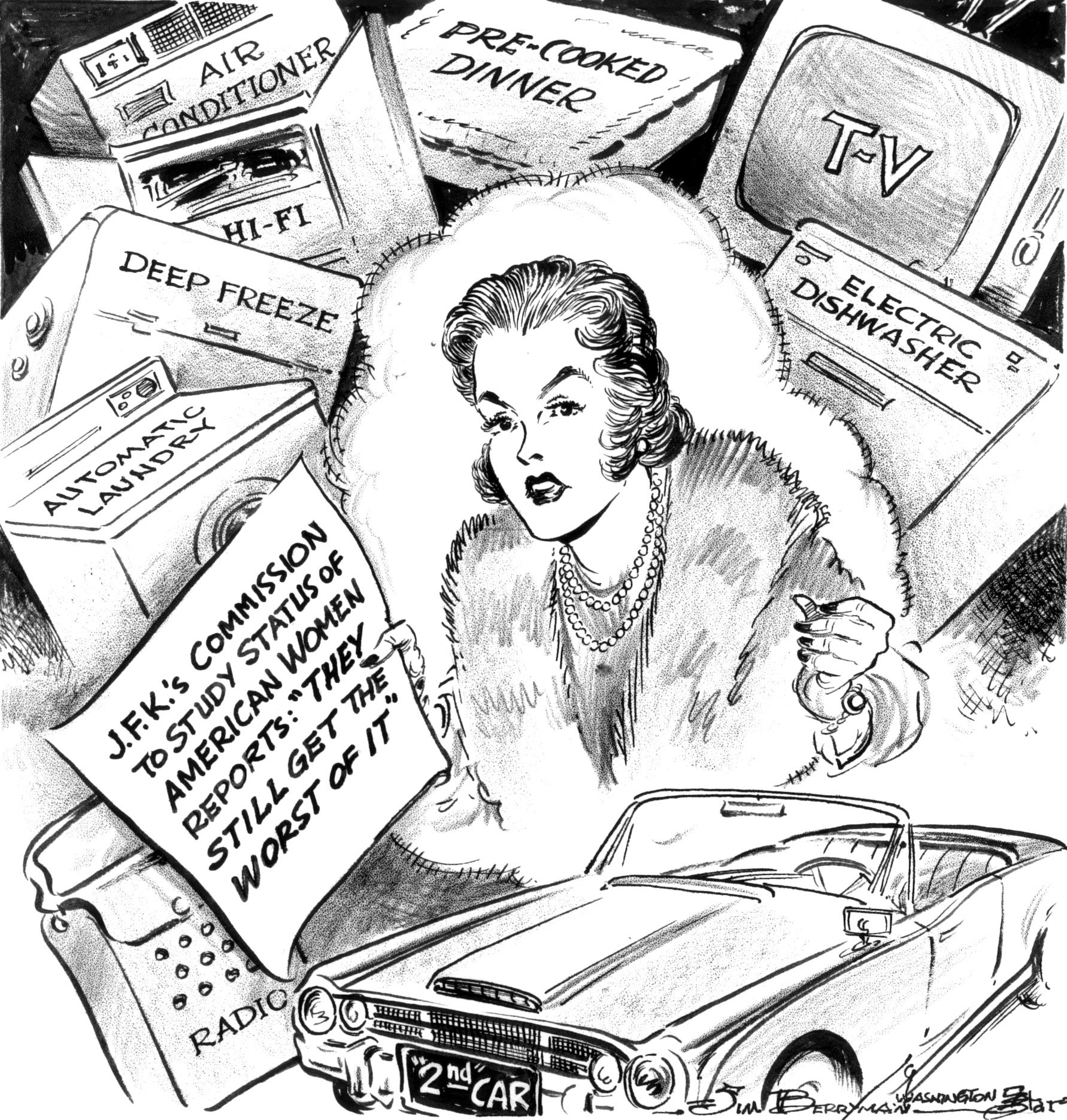 United StatesI Just Didn't Realize I Was So Bad Off
 United StatesHearst and Pulitzer sold a war the pictures could not prove
 United StatesA private bulletin tried to teach Americans to spot the trick, then closed for the war
 United StatesAmericans were asked to chip in for a private radio. Their government was already paying for it.United StatesRoosevelt administration, 1933–1945
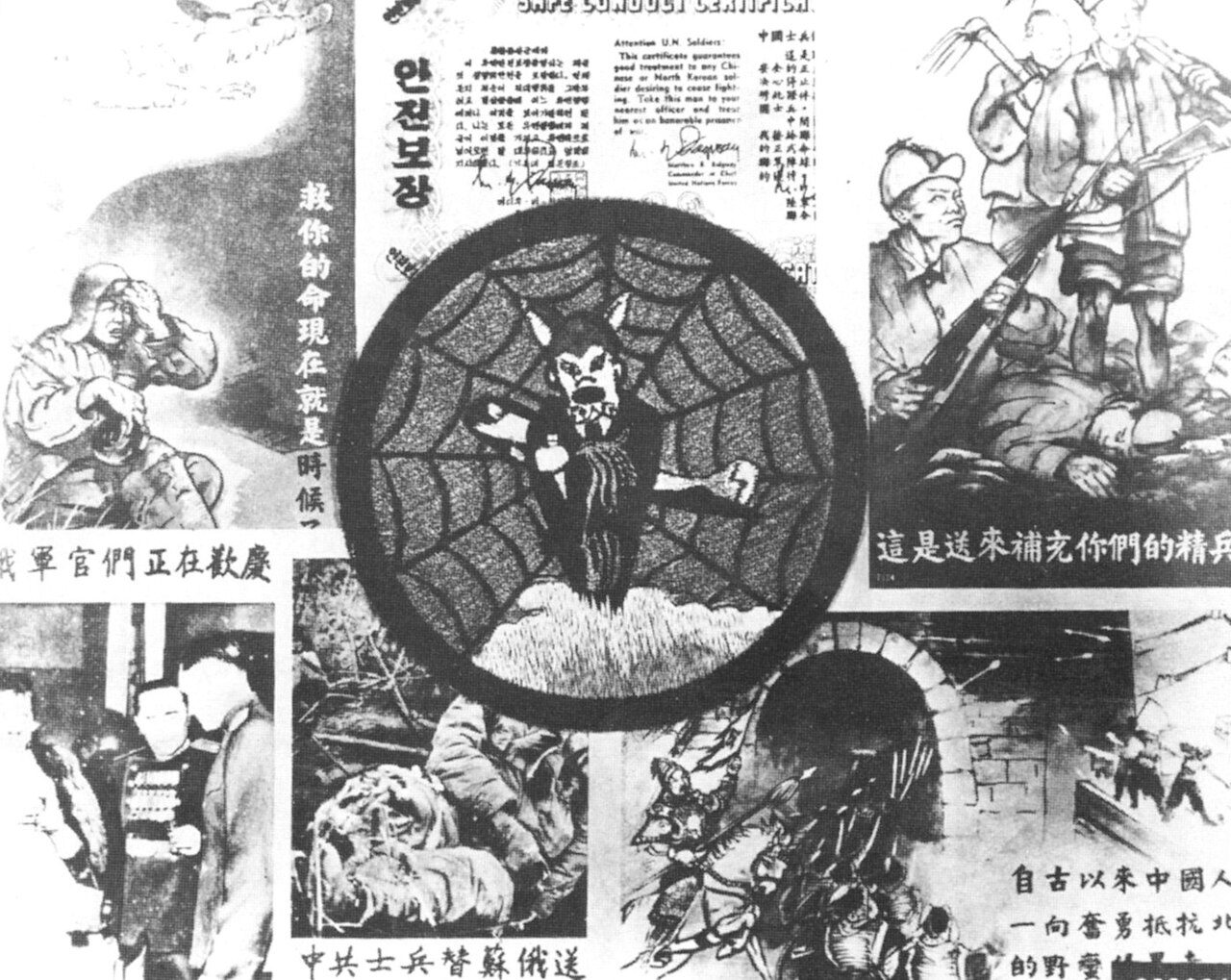 United StatesKorean War leaflets and messaging, 1950–1953
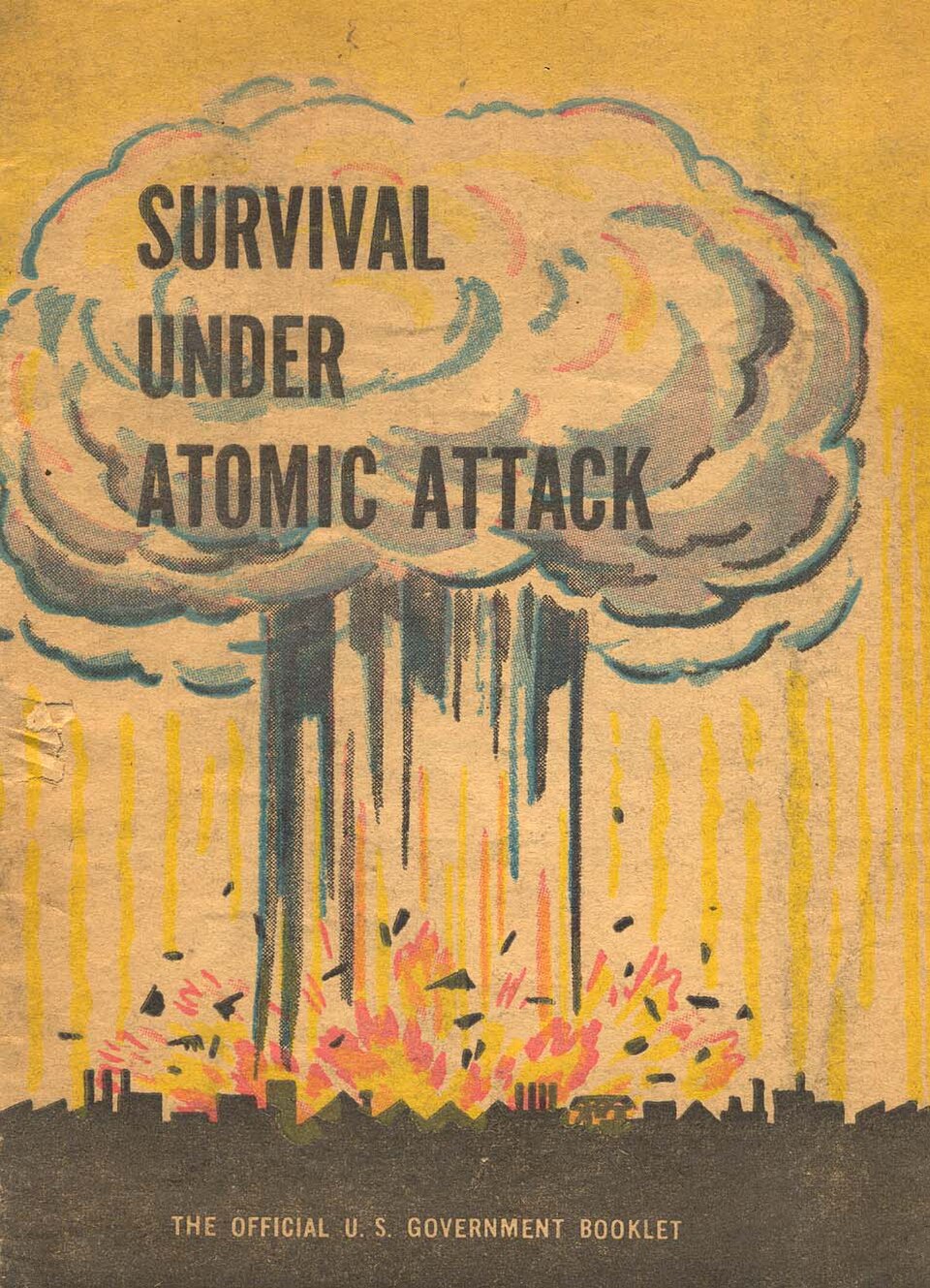 United StatesCivil defense and the atomic age, 1945–1969
 United StatesCivil rights era messaging, 1954–1969