US Vietnam War messaging, 1954–1975
This hub gathers what the United States government said about the Vietnam War, to Vietnamese and to Americans, and what private American groups on both sides said back, from the 1954 partition posters to the 1973 prisoner-of-war appeals. Every page rests on a FRAME archive record.
The pages below cover twenty years and two audiences. On one side is the American government: the Information Agency and its Saigon post, the Joint U.S. Public Affairs Office (JUSPAO), the Army and Marines, MACV-SOG (the Studies and Observations Group), the Defense Department, and the President. On the other side is the American public, which argued about the war in its own posters and advertisements, for and against, without asking anyone's permission. The records are the archive's. The readings are this site's, and where a point is open the page says it is a reading.
What the US government told Vietnamese
The earliest sheets in the set are from 1954, the year of partition. A US Information Agency poster distributed in Saigon, Go South to Avoid Communism, draws the country as a map with fire above the 17th parallel and rice fields below it. Companion sheets that year, under the name Operation Freedom, show Hanoi families registering and boarding transport south, and an American officer treating a patient under a caption about medical care on the ships going south. In 1957 a verse poster from the same series, Meaning of Compulsory Service, explains the South's one-year draft as a courtship riddle.
After 1965 the volume grows. The National Archives holds a series called Psychological Warfare Posters, Vietnam War (Record Group 306, NAID 561393), and the FRAME snapshot carries 427 rows from it. They sell rural construction, health, land, and the Chieu Hoi amnesty program, and they explain the Americans' presence: Why Have the Americans Come to Vietnam? answers in a Vietnamese "we." A Soldier in the War Against Poverty profiles one cadre. Do Not Spit is a health notice from the South's ministry that ended up in the same psychological warfare file. A Proposal for Peace reports Ambassador Goldberg's terms at the UN and Hanoi's refusal.
The leaflets speak more directly to the enemy and to civilians in the fighting. The seven-flag safe-conduct pass promises that a man who comes over will be received. A U.S. Army leaflet for the Blackhorse Regiment pairs a fire-breathing tank with the same Chieu Hoi offer: "it is your only hope to live." U.S. Marines Are Here to Help tells villagers inside a search cordon to stand still and not run.
Some of the official messaging hid who was speaking. The Le Loi leaflet and the SSPL membership card are credited by the archive to MACV-SOG, writing as a Vietnamese resistance league that did not exist. Many JUSPAO sheets print no American name at all; FRAME's source category for them is "blurred." A USIA poster distributed in Saigon, Viet Minh Policy Toward the Highland Tribes, carries a 1976 catalog date and no printed issuer. Not every sheet was about the war: in 1969 JUSPAO's series carried an Apollo 11 fold-out, Return Trip to Earth.
What the US government told Americans
On 4 August 1964 President Johnson went on television to report a second North Vietnamese attack on American destroyers and to announce air strikes. Congress passed the Gulf of Tonkin Resolution three days later. The archive record of the Tonkin address notes that a National Security Agency historian, Robert J. Hanyok, later concluded the second attack did not happen and that the intercepts cited as proof had been presented selectively. That is the record, and it was a serious failure: Congress voted on war powers on the strength of a report that was wrong.
The next year the Defense Department released Why Vietnam?, which made the case through statements by Johnson, Dean Rusk, and Robert McNamara. The US Information Service in London issued a 48-page Why Viet Nam for British readers, its cover a collage of chosen headlines. In September 1968, with the draft in force, an Army poster told prospective officers "Your future, your decision."
What Americans told each other
The private posters in the archive come from both directions, and they are judged here by one standard. For the war: a St. Louis student committee's "They're the reason we're in Vietnam" (1965), a child among soldiers' boots; the Mothers' Crusade advertisement "Why should we help communists kill Americans?" (1966); and Young Americans for Freedom's "Tell it to Hanoi" (1969), a peace sign redirected. Against it: the New Mobilization Committee's "How many more must die?" for the November 1969 March Against Death; the United States Servicemen's Fund's "My men refuse to go" (1970), built on a quotation from an unnamed lieutenant; and the Committee to Help Unsell the War's gravestone dated December 31, 1971. After the peace agreement, Voices in Vital America printed a wanted poster for the missing, demanding an accounting from Hanoi.
The techniques on the two sides match closely. A pro-war committee used a child to stand for the reason to fight; an antiwar committee used a child beside a coffin to ask "Is it worth it?" One side borrowed the peace symbol; the other borrowed the language of a memorial. The gallery has the wider set, including Students for a Democratic Society and the Socialist Workers Party campaign of 1972.
From Tonkin to Iraq
The archive sets the Tonkin night beside the 2003 case for war in Iraq, and this site's case study Caveats in the vault, certainty at the podium follows it. The comparison is about method, not party. In both cases the executive brought Congress and the public a firmer claim than its own evidence supported, and a vote followed. In neither case does the record here show that the officials knew the claim was false. The lesson the two share is the one the Constitution already wrote down: the branch that wants the war is not the branch that declares it, and the branch that declares it needs the full evidence and the time to read it.
How this site reads the record
Three points are honestly open, and on each the site takes the reading that favors limits on power. It is a reading, not a finding of the archive. First, credibility: a government that tells its own legislature something false on the way to war has spent trust it will need later, whatever the intent, and citizens are right to ask for the evidence before the vote. Second, the draft: conscription is compulsion, and a poster that calls service "your decision" or "helping the youth" is describing a choice the state has already made. Third, speech: the student committees, the mothers in Mesa, the marchers in Washington, and the servicemen's fund all printed their views under their own names, and none needed a license. Their posters were often unfair, and they were protected anyway. That is the part of the record most worth keeping.
The same standard runs the other way. Several official sheets in this set were humane and honest on their face, including the safe-conduct pass and the tuberculosis notice. A government that offers an enemy soldier a way to stop fighting without dying, or tells a city to stop spreading disease, deserves credit for it.
What this hub does not cover
The Pentagon Papers are not discussed, because no record in the archive snapshot or on this site covers them, and this page will not summarize them from memory. North Vietnamese and National Liberation Front posters are outside the site's scope. Sheets credited only to the South Vietnamese government are not in the gallery. The 1964 "Daisy" ad was a campaign spot rather than government messaging, and the 2004 advertisements about two candidates' Vietnam-era service are in a separate case study.
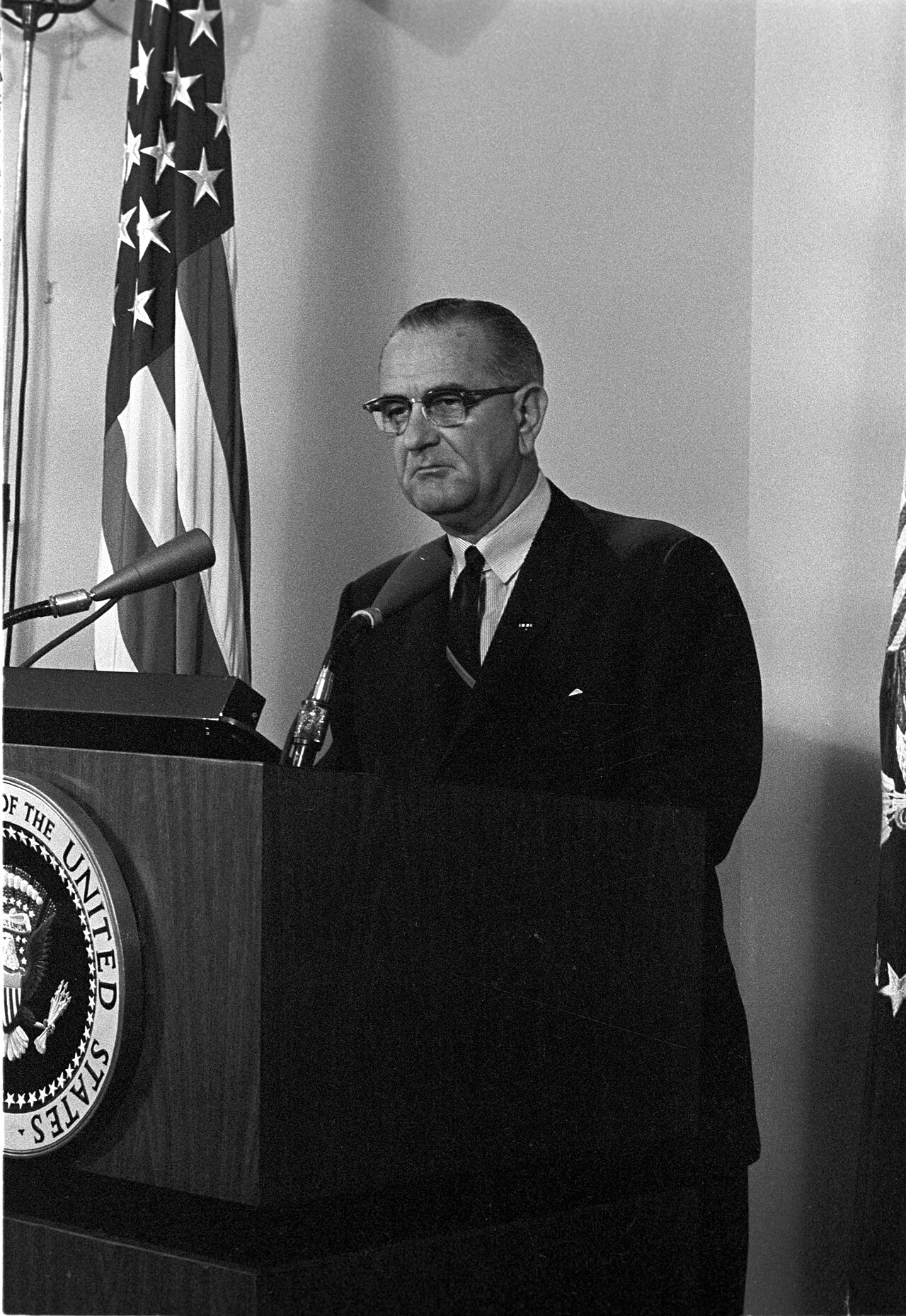 United StatesGulf of Tonkin address
 United StatesWhy Vietnam? (DoD film)
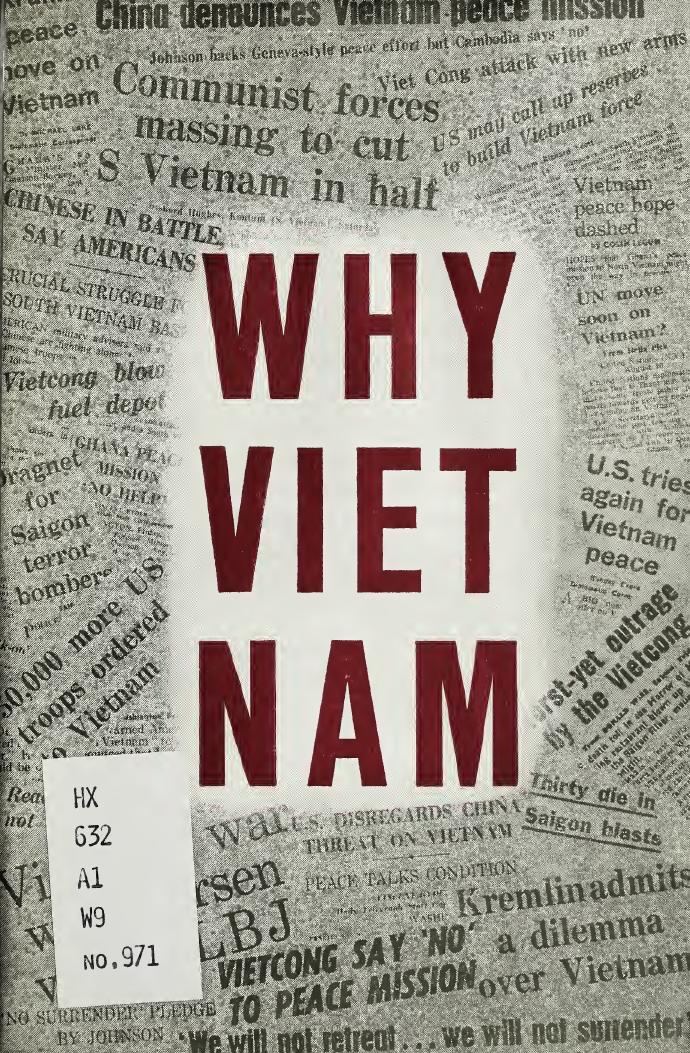 United StatesWhy Viet Nam (USIS London)
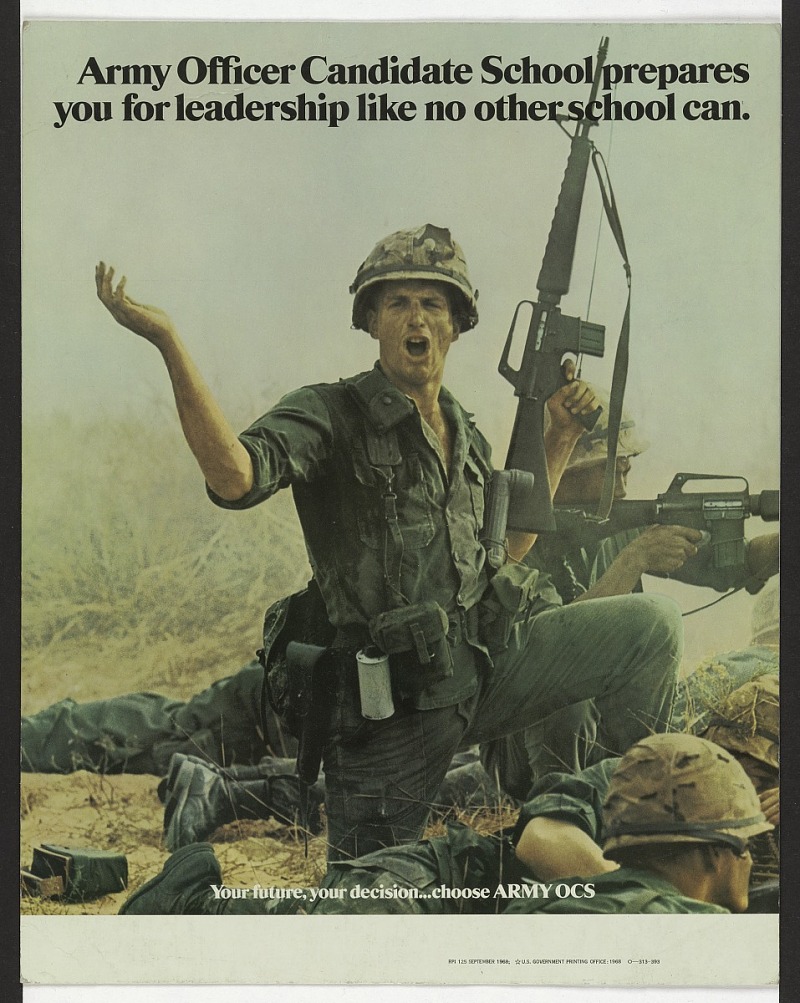 United StatesArmy OCS Leadership Poster
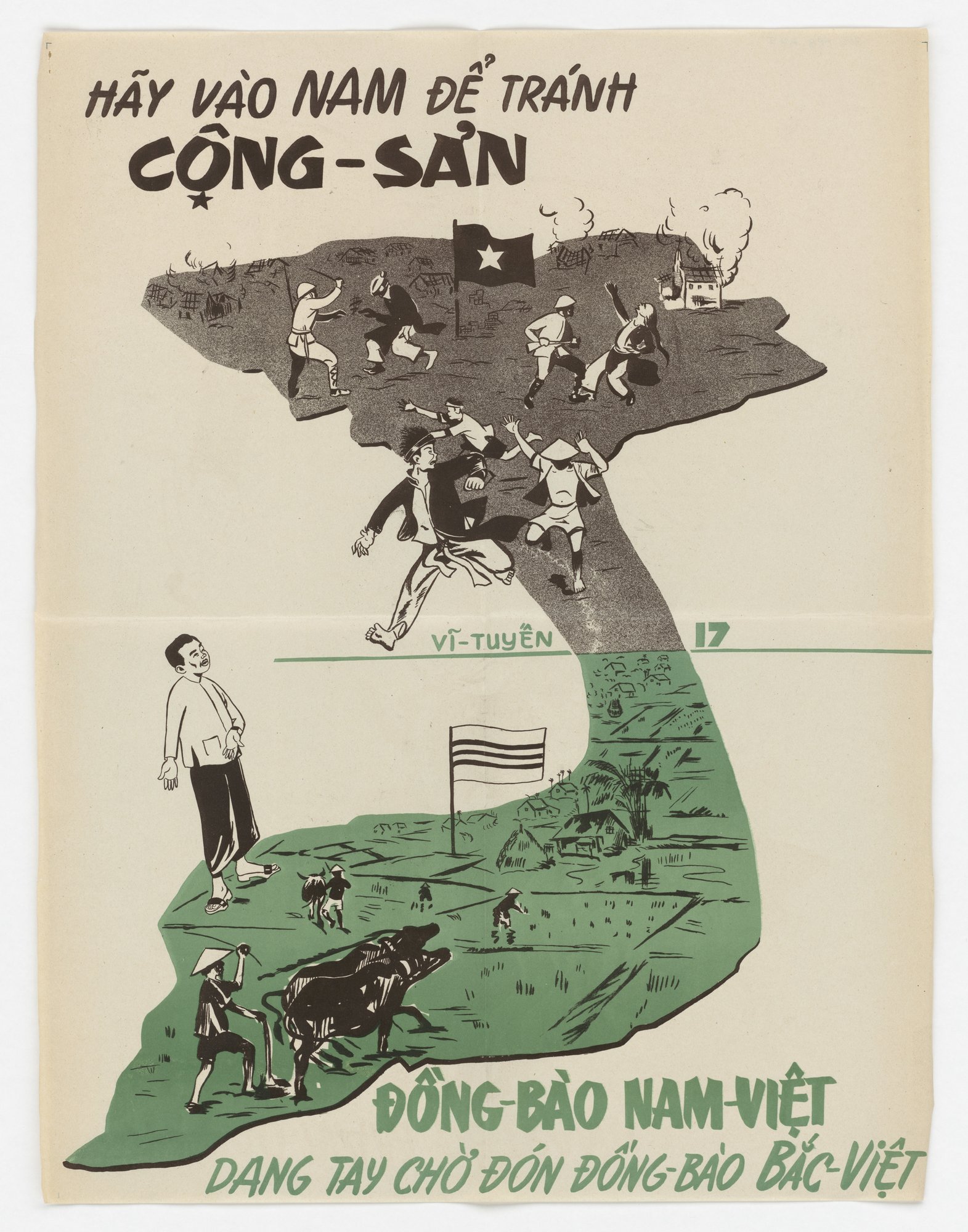 United StatesGo South to Avoid Communism
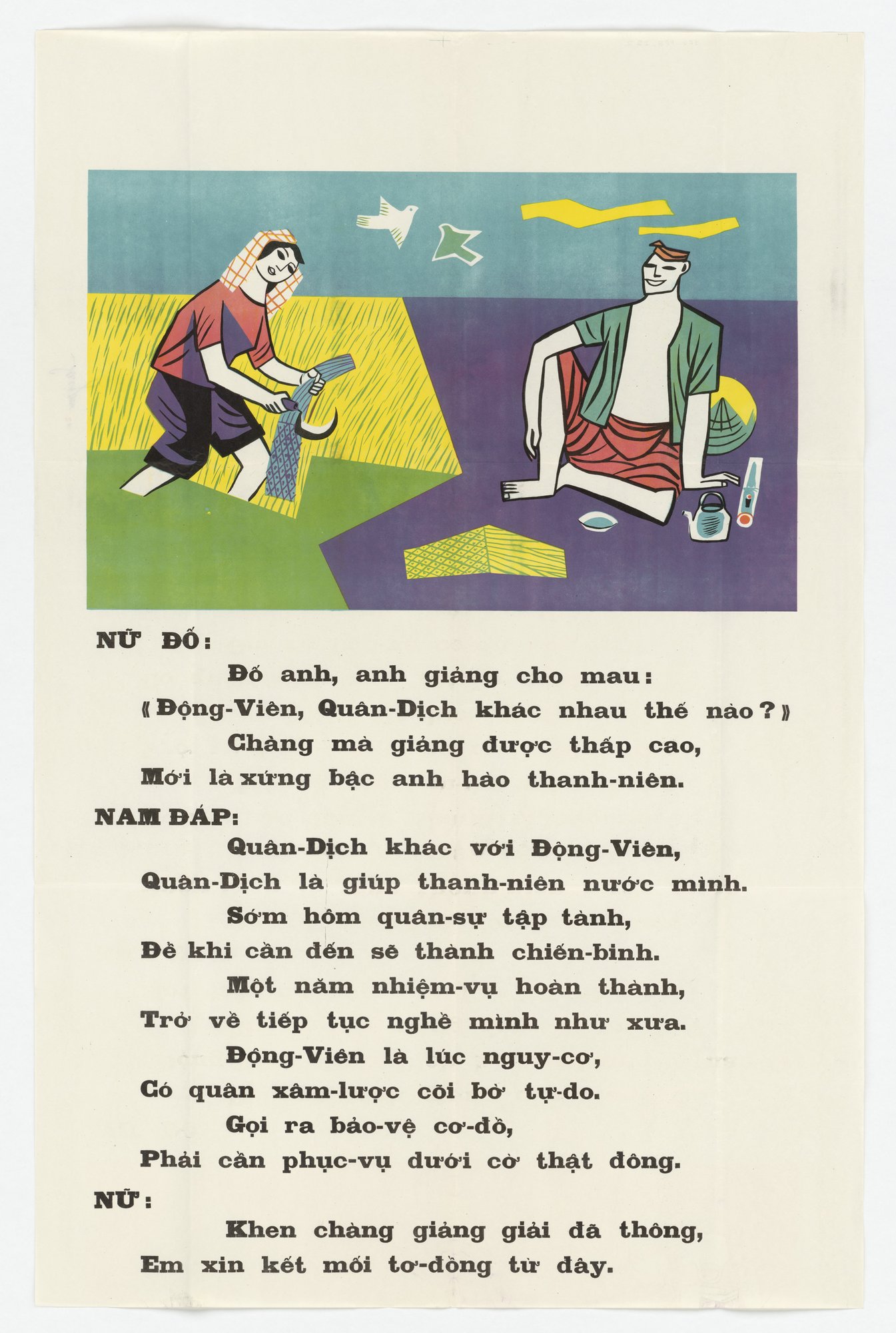 United StatesMeaning of Compulsory Service (1957)
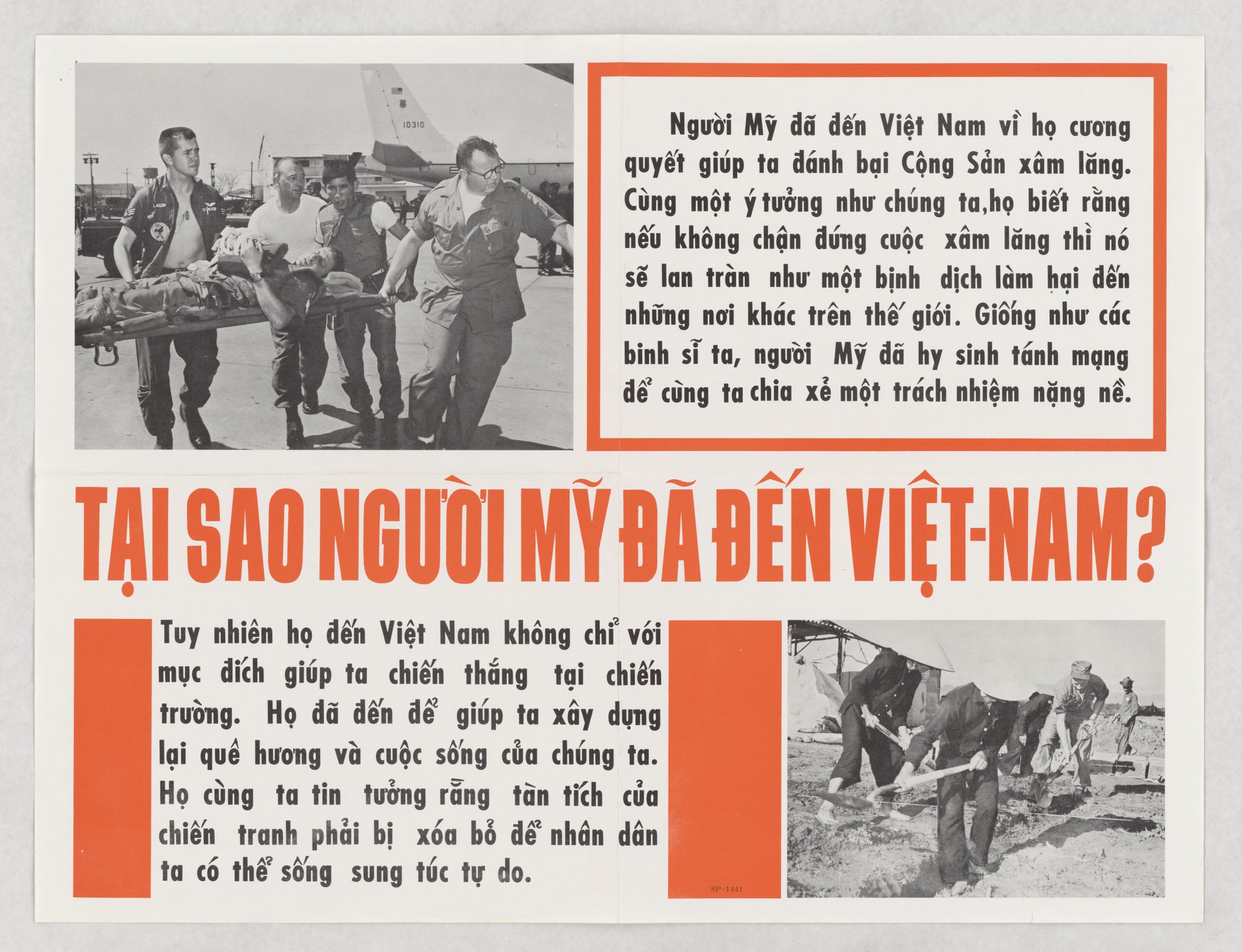 United StatesWhy Have Americans Come to Vietnam?
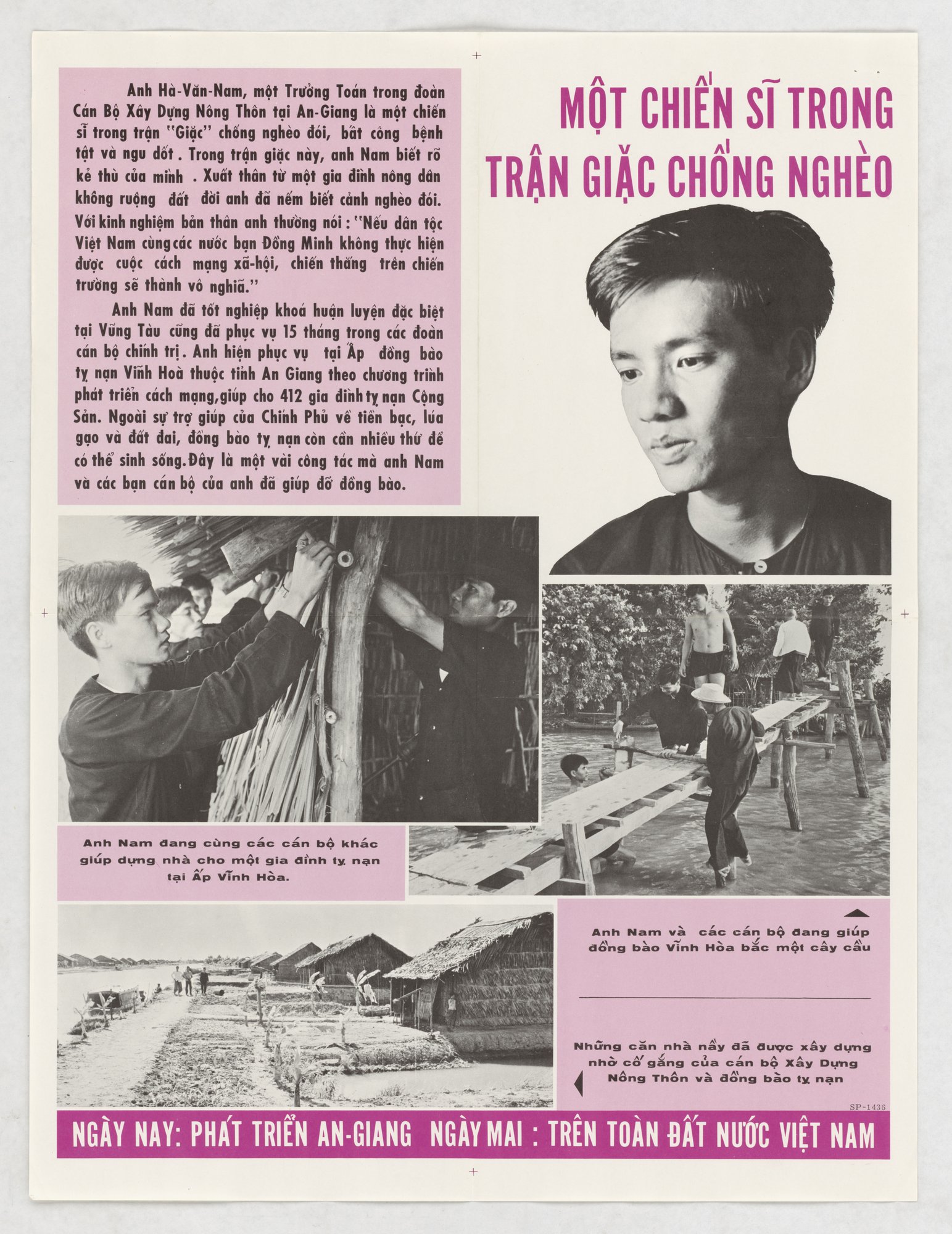 United StatesA Soldier in the War Against Poverty
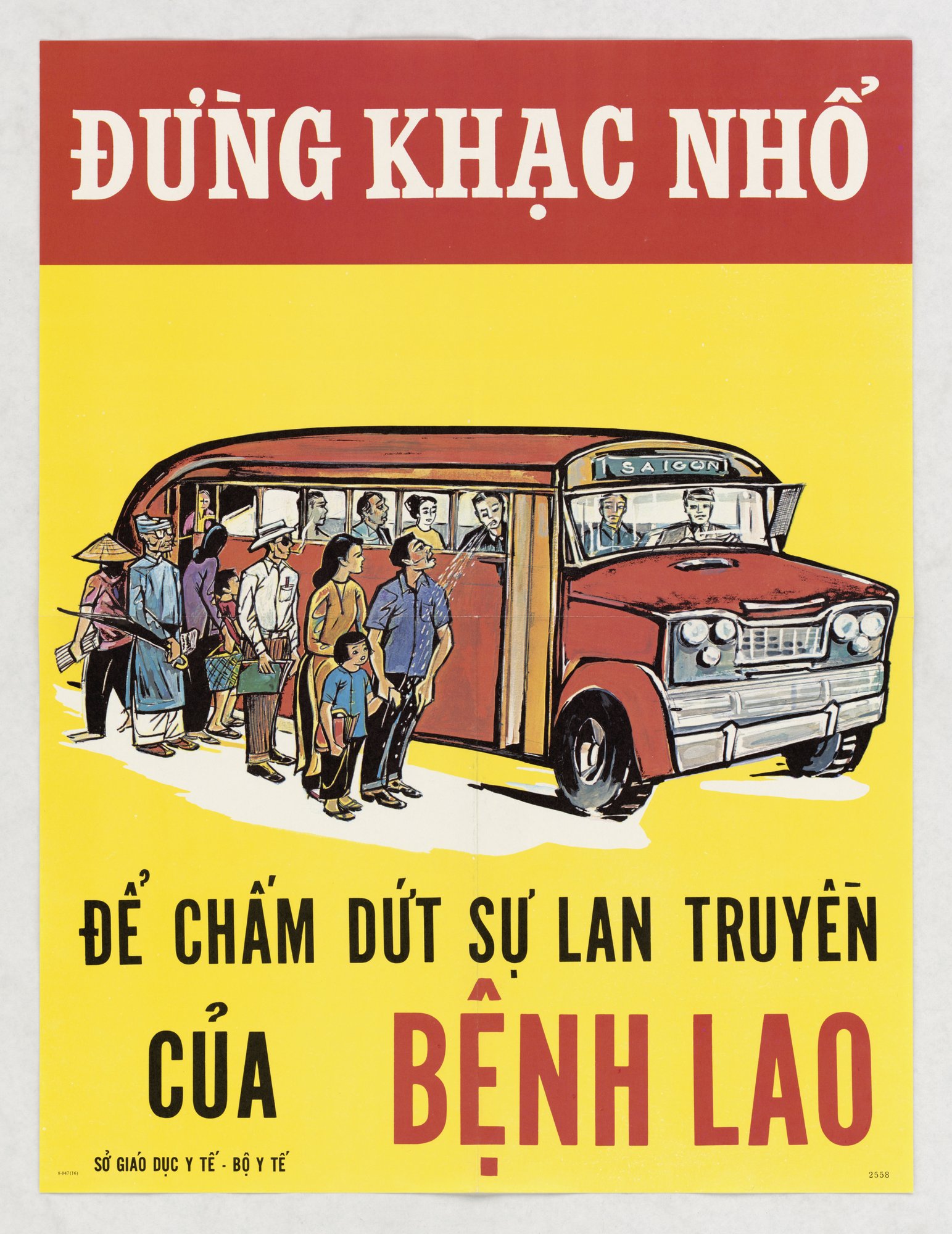 United StatesDo Not Spit (tuberculosis)
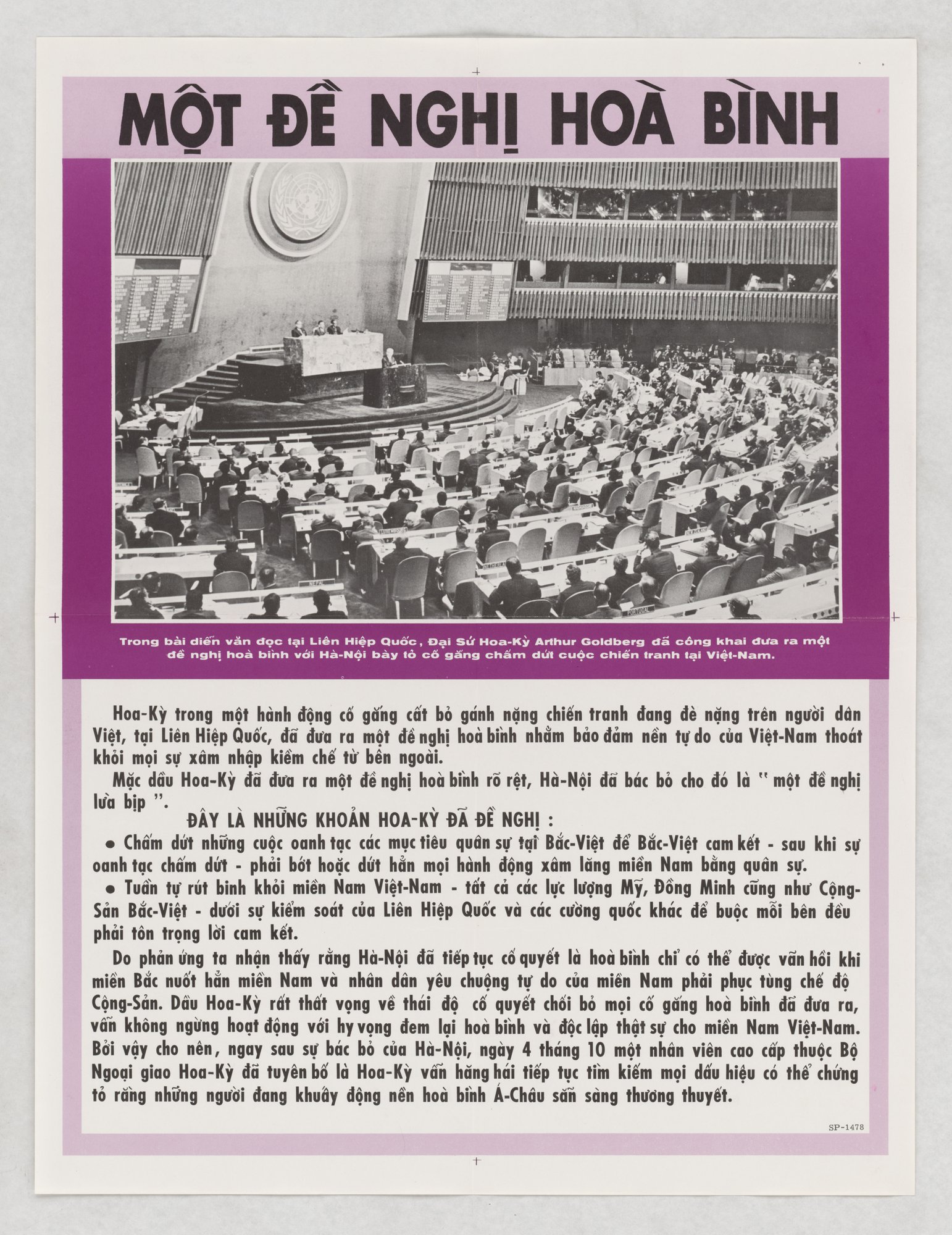 United StatesA Proposal for Peace (Goldberg at the UN)
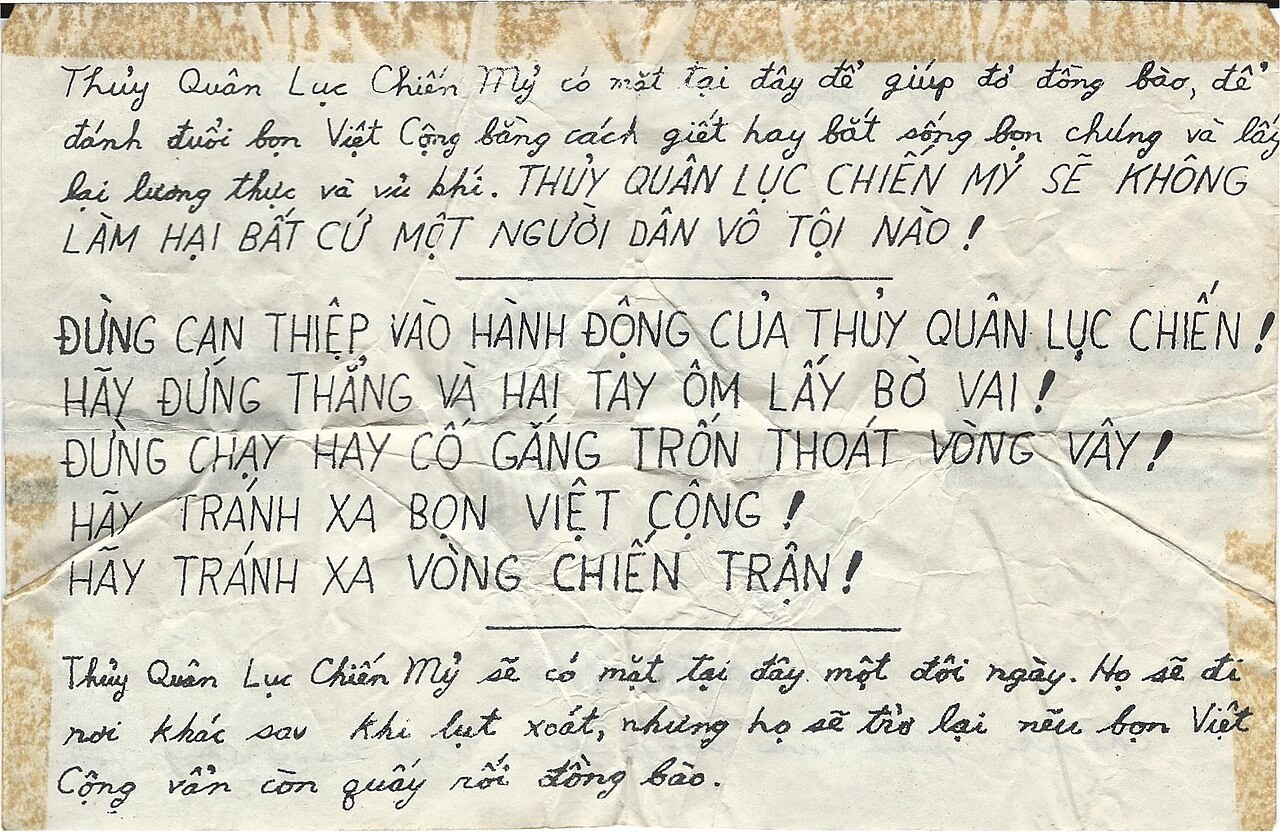 United StatesU.S. Marines Are Here to Help
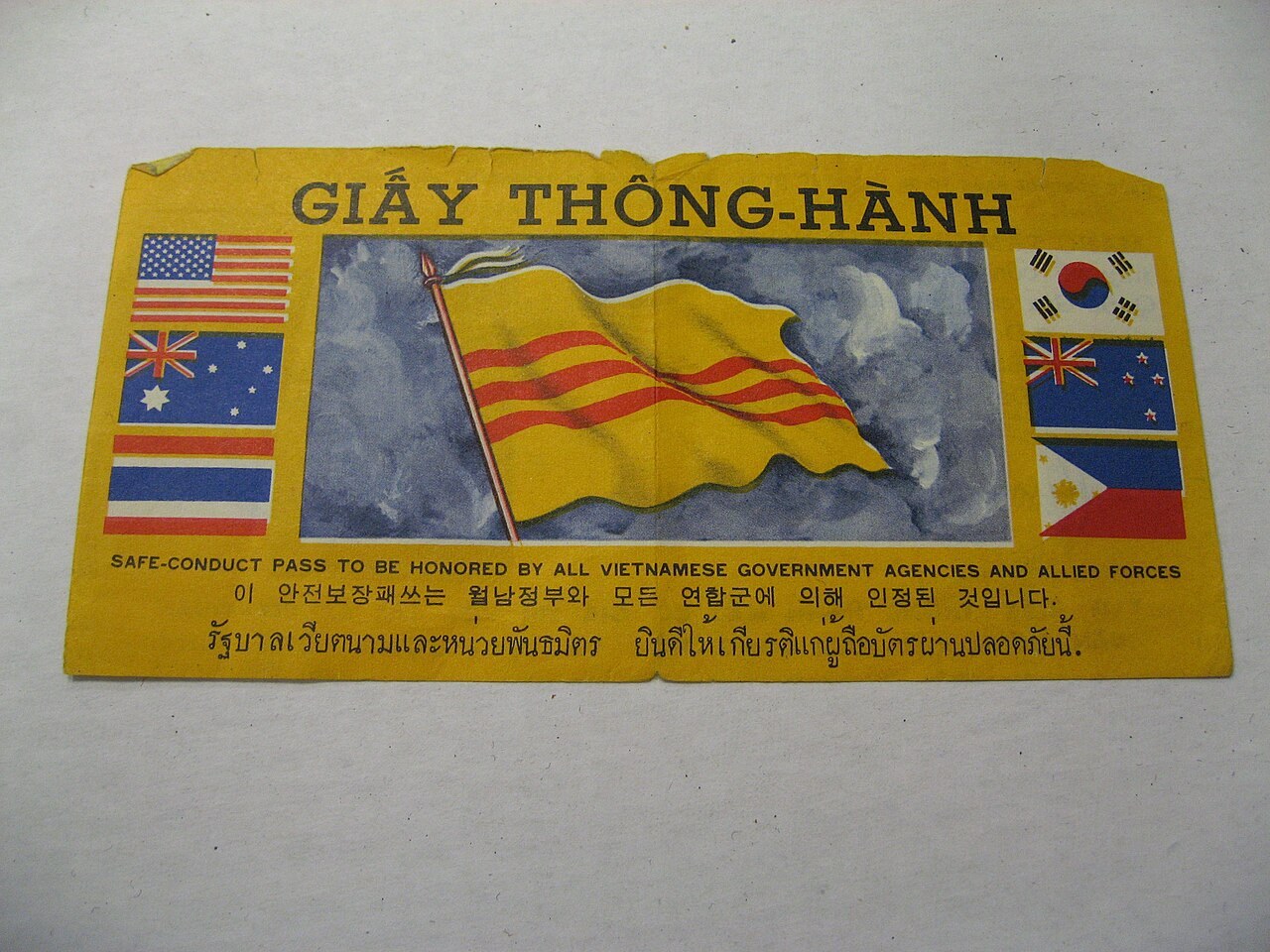 United StatesSafe-Conduct Pass (seven flags)
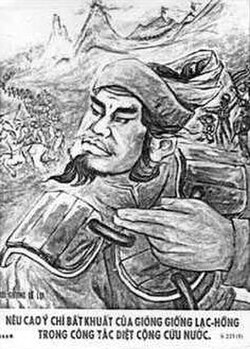 United StatesSacred Sword leaflet with Le Loi
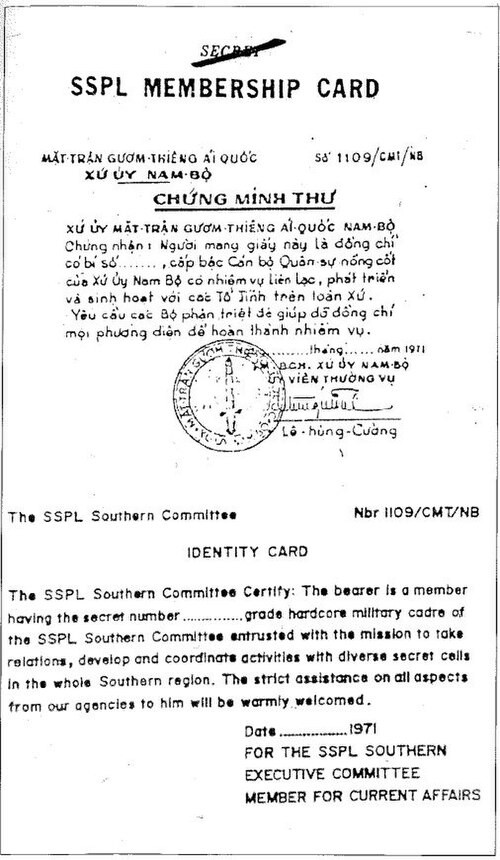 United StatesSSPL Membership Card
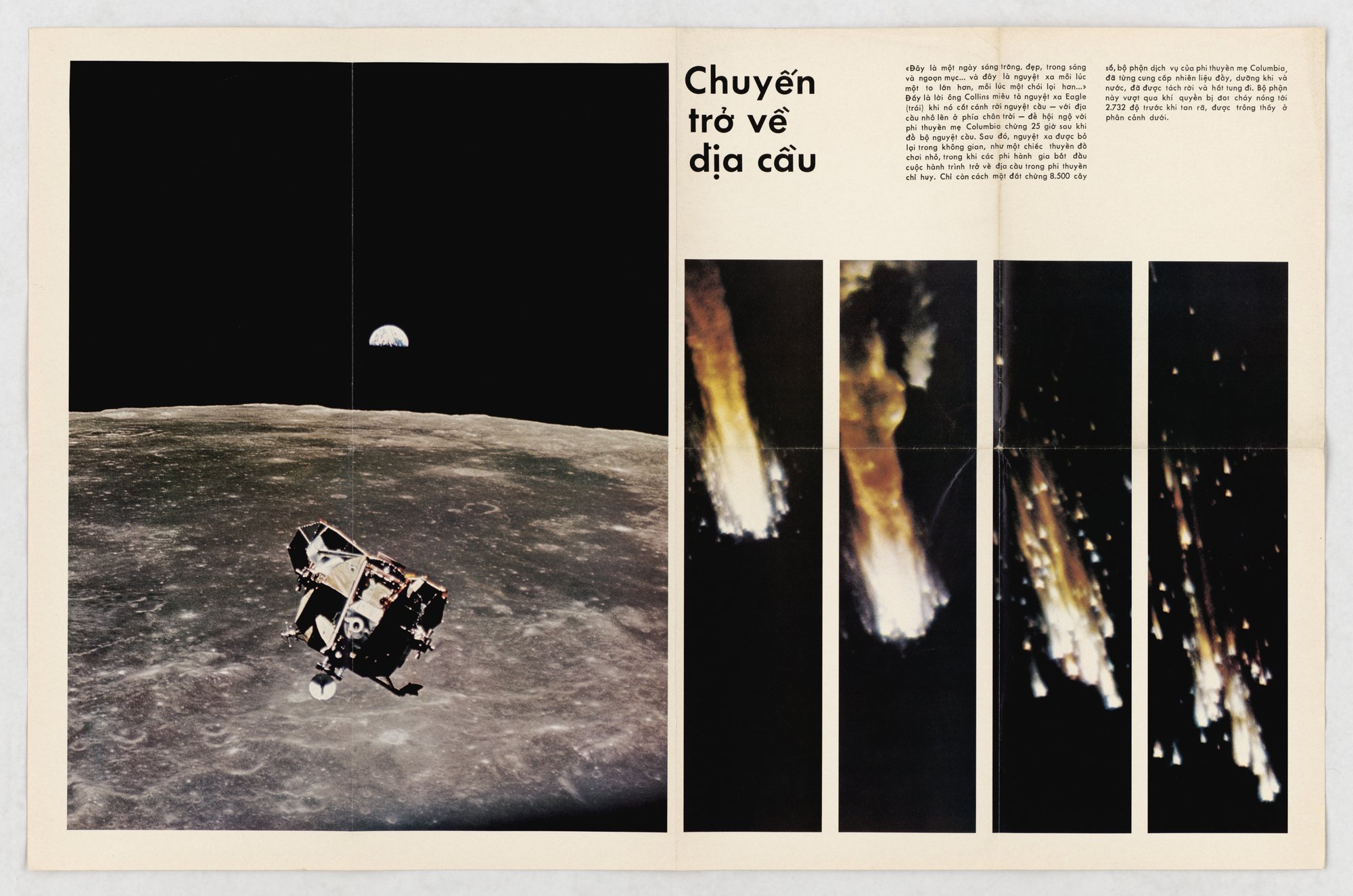 United StatesReturn Trip to Earth (Apollo 11)
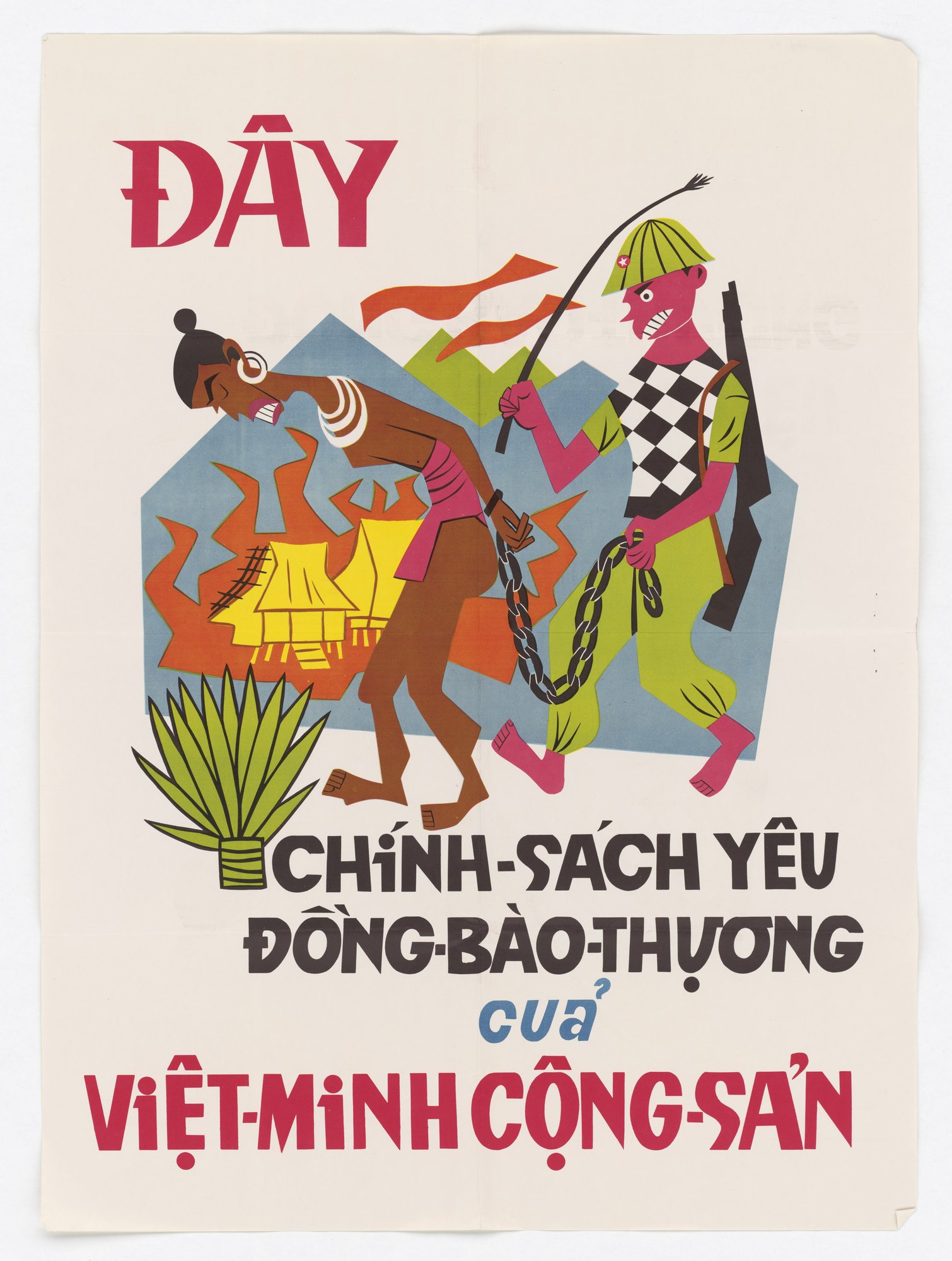 United StatesViet Minh Policy for the Highlands
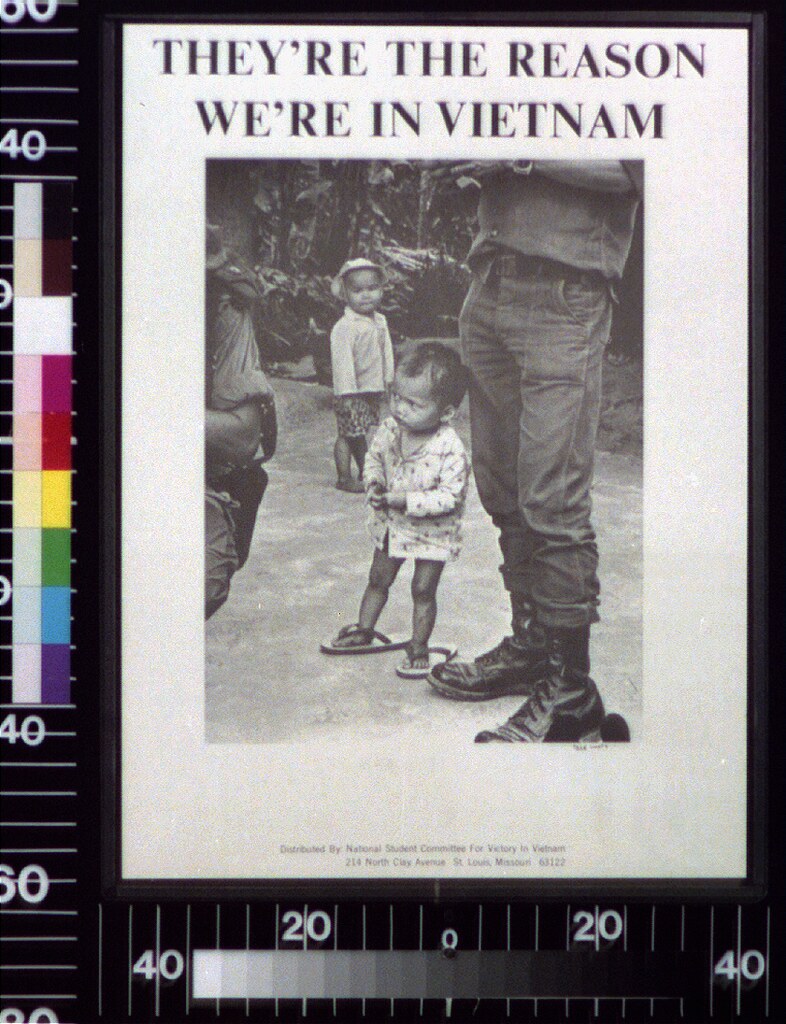 United StatesThey're the Reason We're in Vietnam
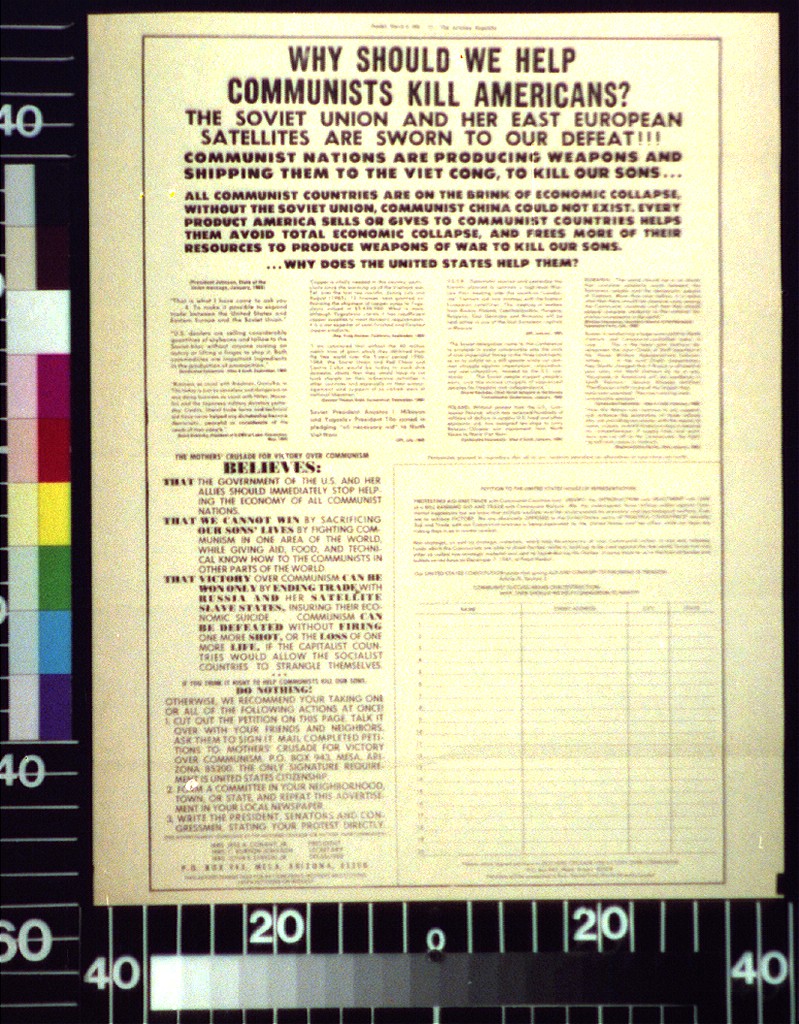 United StatesWhy Should We Help Communists Kill Americans?
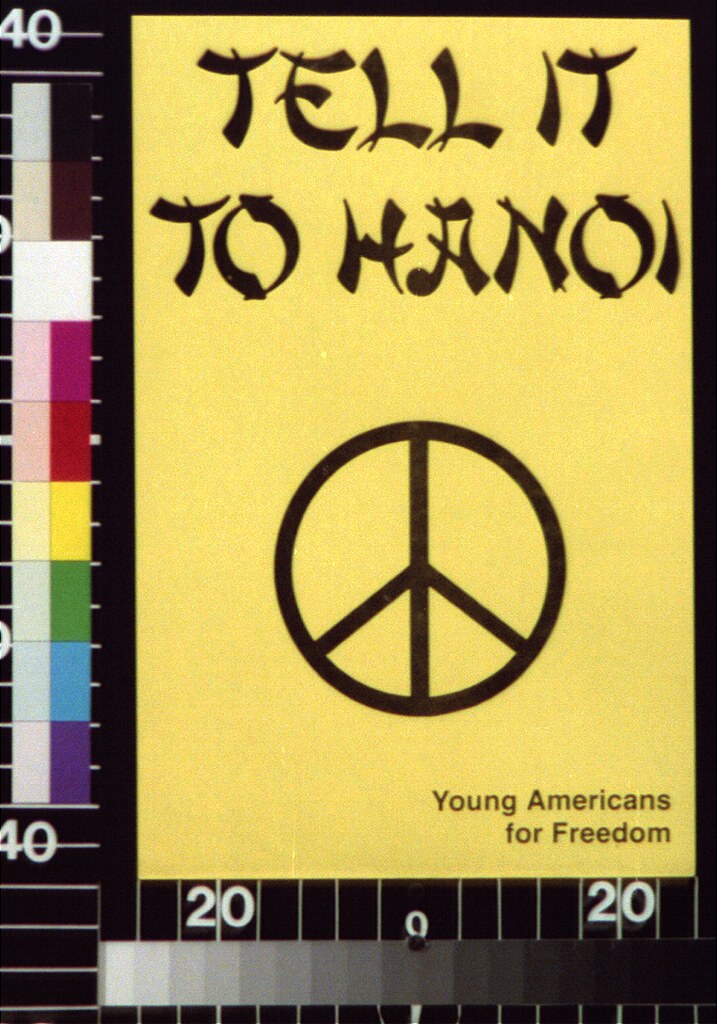 United StatesTell It to Hanoi
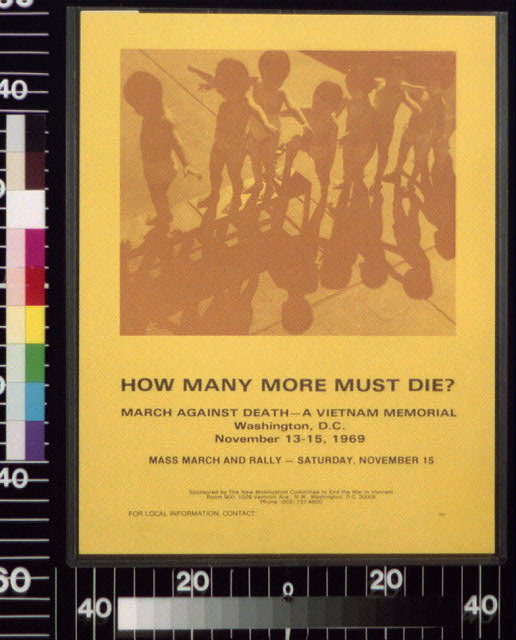 United StatesHow Many More Must Die?
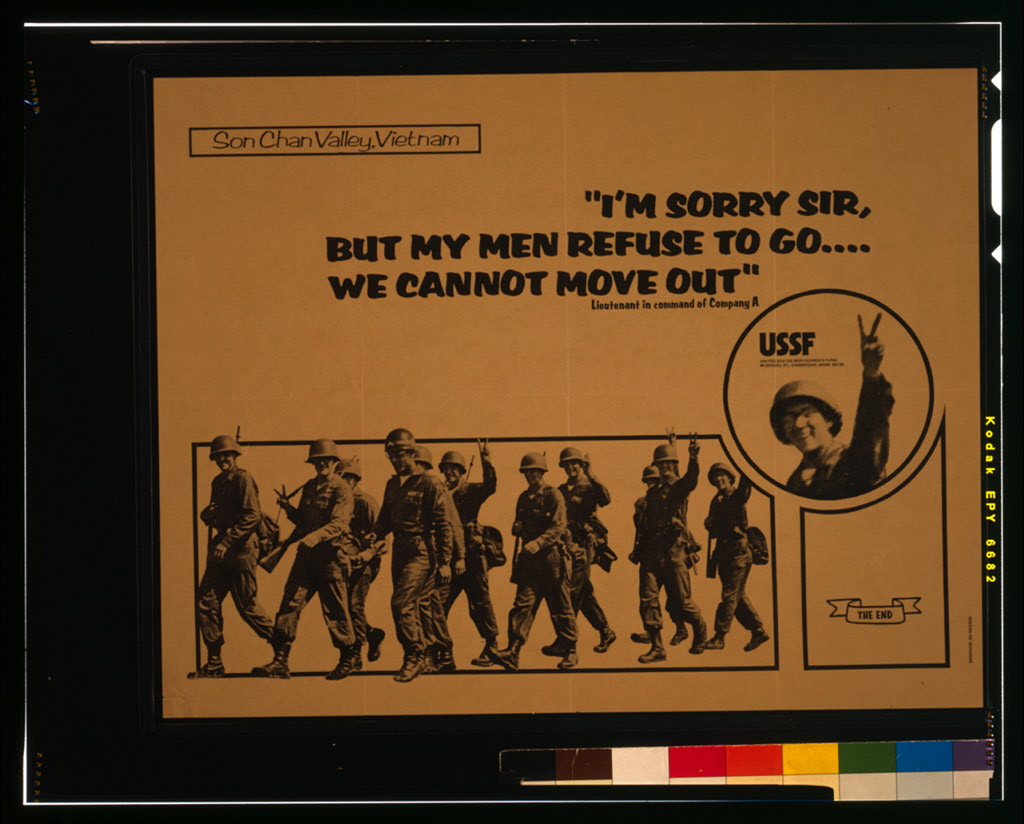 United StatesMy Men Refuse to Go (USSF)
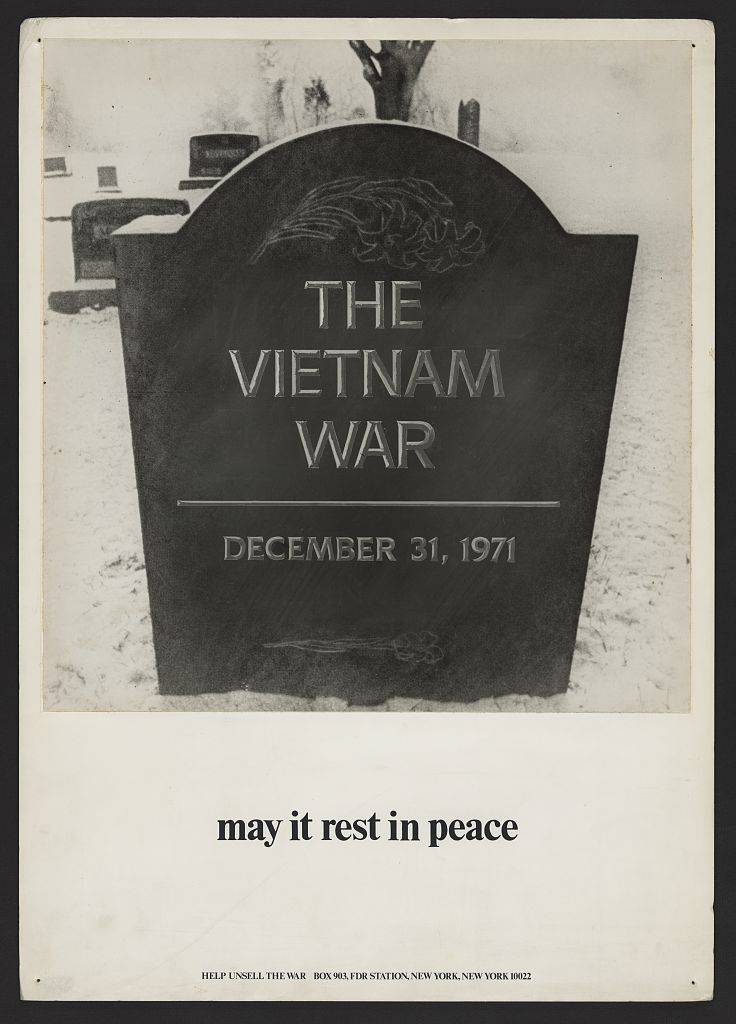 United StatesThe Vietnam War, May It Rest in Peace
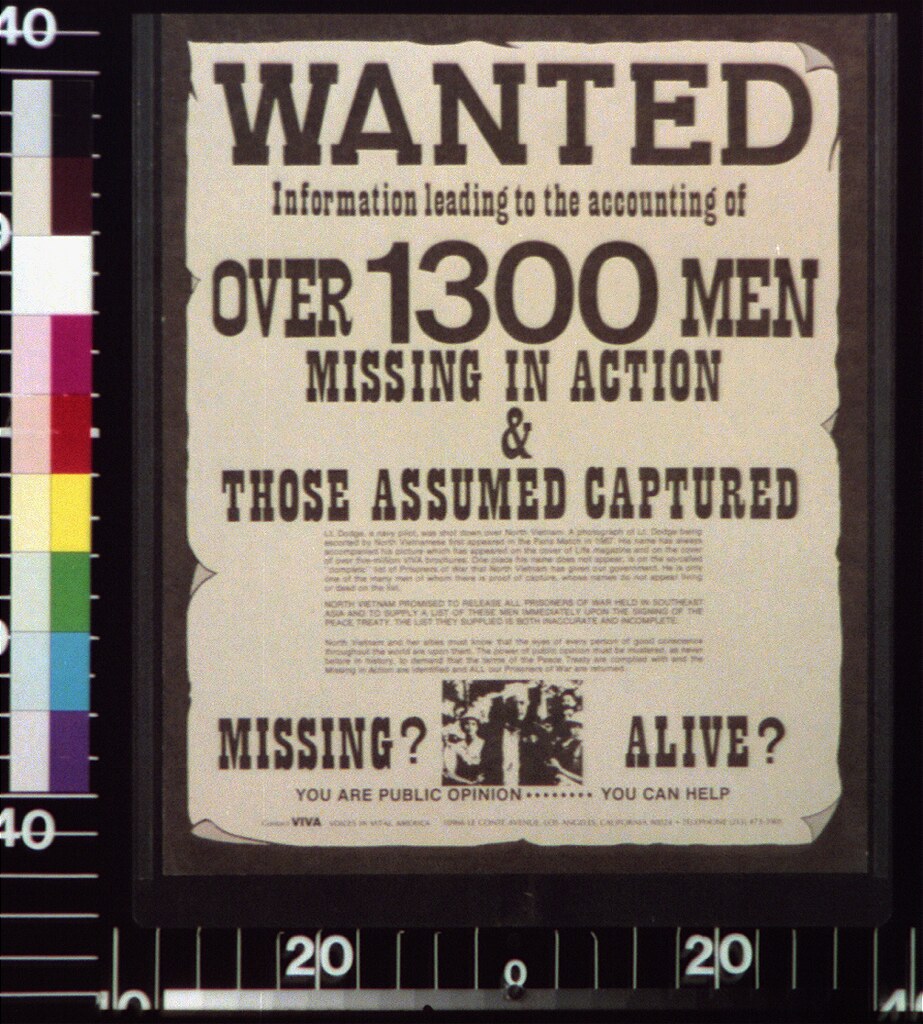 United StatesWanted: Information on 1300 Missing (VIVA)
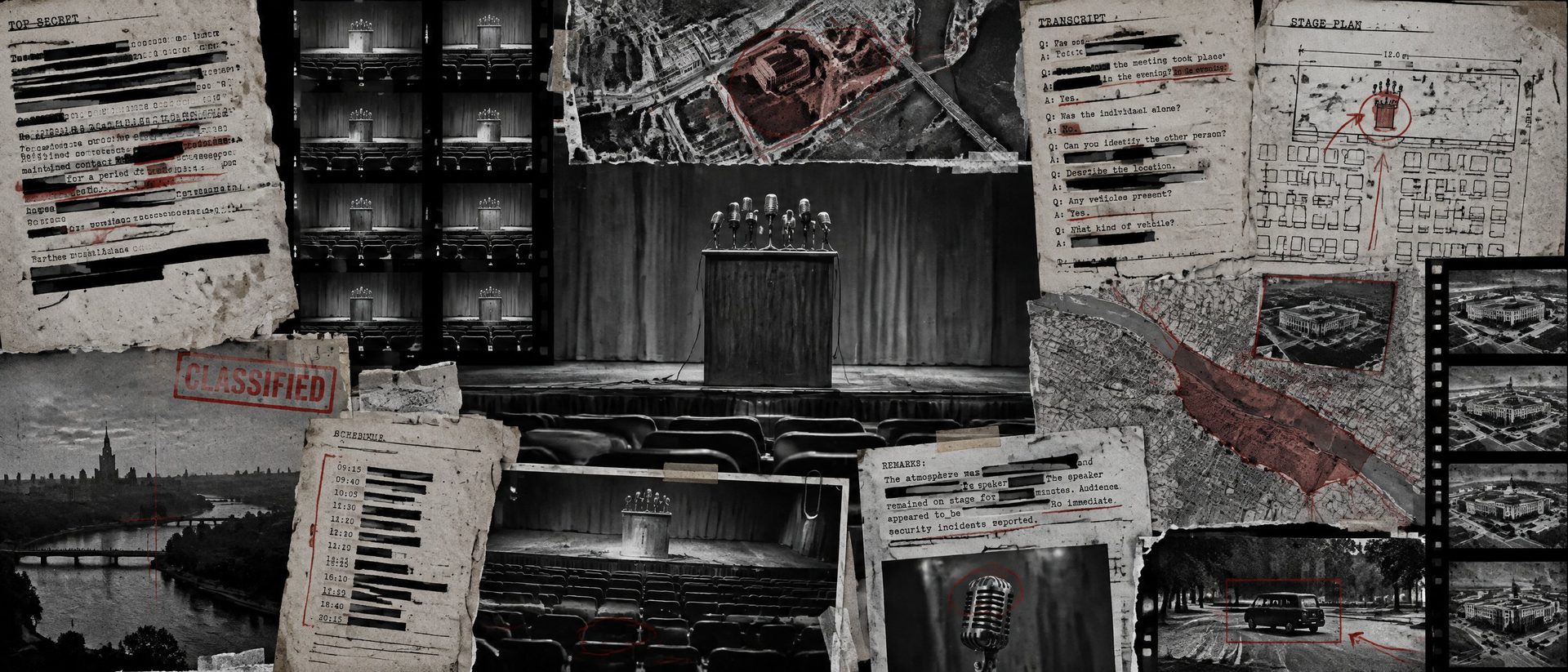 United StatesCaveats in the vault, certainty at the podiumUnited StatesUS Vietnam-era posters and leaflets