Liberty Loans, the CPI and the World War I home front, 1917–1919
Between April 1917 and the Victory Liberty Loan of 1919, the Treasury, the Committee on Public Information, the Food Administration and the recruiting services covered American walls with requests. This hub gathers the posters from those offices in the FRAME snapshot, a 184-sheet gallery, and the essays on this site that read them.
The United States entered the First World War on 6 April 1917 and needed three things from its people at once: money, food, and men. Each had its own office and its own posters. The Treasury sold Liberty Bonds in four drives and a fifth, the Victory Liberty Loan, after the armistice, and sold War Savings Stamps alongside them. Herbert Hoover's Food Administration asked households to save wheat, meat, fats and sugar. The Army, Navy and Marine Corps recruited, and so did a New York mayor's committee. The Committee on Public Information, chaired by George Creel, ran speakers, films and a daily bulletin beside all of them. This hub gathers what the FRAME snapshot holds from those offices and reads it from the citizen's side of the poster.
Where to start
The gallery has 184 sheets dated 1917 to 1919, in date order: 91 from the Food Administration and the state, county and trade bodies that printed under it, 56 for the Liberty Loans, the Victory Loan and War Savings Stamps, 31 for recruiting, 4 from the Committee on Public Information, and 2 from councils of defense. The essays below follow the same four campaigns.
One fact about the file is worth knowing first. Of the 184 sheets, 170 come from a single National Archives series, World War I Posters in Record Group 4, which is the Food Administration's record group (series NAID 512439). Treasury loan posters, Navy and Marine recruiting sheets and New York's volunteer rolls are all filed there. Thirteen more come from the Library of Congress and one from another National Archives record group. A reader who meets "RG 4" on a Liberty Loan poster is reading the archive's filing, not a claim that Hoover's agency drew it.
Five loan drives, from terms to fire
A First Liberty Loan sheet, All About Liberty Bonds, is a page of answers: what a bond is, what it pays, how to pay for it in installments from a dollar down, and when subscriptions close. It treats the buyer as a lender. The Second Liberty Loan of 1917 spoke more to feeling. Buy a Bond of the 2nd Liberty Loan put the president's words over the ask, and Remember Your First Thrill of American Liberty showed immigrants sighting the statue and named the purchase their duty. A plainer sheet from the same drive, "Lend Your Money to Your Government," pictured the Treasury building and promised interest every six months.
By the Third Liberty Loan, which opened in April 1918, the drive had two faces. One was a numbered fact sheet: three billion dollars sought, 4¼ percent interest, repayment on 15 September 1928, the tax treatment, the payment dates. The other was Halt the Hun! and Hun or Home?, which sold the same bonds with a slur and a threatened mother and child. The Treasury also sent towns an Honor Flag and a roll for buyers' names: Help Our Town Win the Right to Fly This Flag.
The Fourth Liberty Loan, in 1918, brought Joseph Pennell's That Liberty Shall Not Perish from the Earth, New York in flames and the statue beheaded, and Ellsworth Young's Remember Belgium. It also brought honor buttons and a blank honor roll numbered 1 to 100. After the armistice of 11 November 1918 the Victory Liberty Loan of 1919 dropped the enemy and kept the crowd: Howard Chandler Christy's Americans All! crowns a roll of fourteen surnames, Smith and O'Brien beside Pappandrikopolous and Kowalski.
War Savings Stamps carried the same appeal to people with less to spend. A Flagg Uncle Sam with fists on his hips warns "Beware of the wrath of a patient man! Keep your War Savings Pledge." Another sheet sets a soldier's oath beside a civilian's stamp card and asks, "Are you keeping yours?"
The Committee on Public Information
The committee's own posters in the archive are few and mostly about itself. The Four Minute Men sheet dresses a federal speakers' program as a colonial town crier. Read the Official Bulletin advertises the government's daily paper. Official United States War Film names the Signal Corps and the committee together, and Pershing's Crusaders sells a government film as a crusade. Each one names its sponsor. That is to the committee's credit, and the CPI case study sets it beside the committee's worse moments: the "Spies and Lies" advertisement asking readers to report anyone who "cries for peace," and the Sisson documents, later judged forgeries.
The committee did not prosecute anyone. The penalties for speech came from Congress, the Post Office and the Department of Justice, under the Espionage Act of 1917 and the Sedition Act of 1918. That story is in No censor's office, but a postmaster, a prosecutor and a prison. The suffragists who picketed the White House in 1917, and were jailed for it, are in the case study on the fight over the women's vote; their "Kaiser Wilson" banner borrowed the war's own language against the president.
The Food Administration: asking and enforcing
The Food Administration made more posters in this set than any other office. Most of them ask. Food Is Ammunition and the Yiddish Food Will Win the War are typical; so are the pledge cards and the window card that told a household, "Please hang this card in your front window." A presidential proclamation of 18 January 1918, printed as a poster, asked for wheatless Mondays and Wednesdays, a meatless Tuesday and a porkless Saturday, and called on "every loyal American" to follow the agency's suggestions.
Some of them order. A 1917 broadsheet, "Food Control Is a War Measure," states the theory in its own words: "War needs direct our living to the last detail." A store card, Your Sugar Ration Is 2 lbs. per Month, calls the American allowance a "voluntary ration" and in the same breath says the store is pledged to conform to the agency's regulations. The Enforcement Division's Closed notice shut businesses for a set number of days, and a plain card for display, We Violated the Regulations of the Food Administration, put a confession and a promise of "full obedience" on a business's wall. Hoover later described his method as voluntary, as the Wilson administration essay records. The pledge cards bear that out for households. For merchants the file shows rules, closures and confessions.
Recruiting
The famous recruiting sheets are already on this site: James Montgomery Flagg's I Want You for U.S. Army and Tell That to the Marines!, Christy's Gee!! I Wish I Were a Man, August Hutaf's Treat 'Em Rough! for the Tank Corps, and Harry Ryle Hopps's Destroy This Mad Brute, which drew Germany as an ape. Less famous and more revealing are the weekly bulletins of New York's Mayor's Committee on National Defense, which printed the names of the week's volunteers. Hit the Bull's Eye! These Are Volunteers sets them inside a target and asks, "Are you one of them?" The Selective Service Act was already law when it was printed.
How this site reads the record
Three points are honestly open, and on each the site takes the reading that limits coercion. It is a reading, not a finding of the archive.
First, the loans. A war bond is a loan on stated terms, and a citizen may decline it. The sheets that printed the terms respected that. The honor rolls, the honor buttons and the flags a town could lose did not break any law the record shows, but they turned a private financial choice into a public test, and the Treasury secretary said aloud in October 1917 that a person who would not subscribe was "a friend of Germany."
Second, the enemy. Several of these sheets called Germans "the Hun" and drew them as beasts. That is quoted on the pages because it is what the government printed, and it was wrong; a republic can ask for a loan without teaching its citizens to see a people as animals. Most of the loan sheets in the gallery did ask without it.
Third, the word "voluntary." Much of the home-front effort really was voluntary: the Four Minute Men were local volunteers, the volunteers on New York's rolls signed up, and households could ignore a pledge card. The site gives that full credit. It also notes where the word was stretched: a draft already in force behind the recruiting bulletins, regulations and closures behind the "voluntary ration," and prison for speech behind the publicity.
What this hub does not cover
The Red Cross, the United War Work Campaign and the private relief committees for Belgium, Armenia and the Near East printed many posters in these years; they were private bodies and are left out of the gallery. So are the Department of Agriculture's farm notices, the Shipping Board's shipyard posters, the Army's "Service Series" posters addressed to soldiers already in uniform, and recruiting sheets for the Polish, Czechoslovak and British forces. A few sheets filed with the Food Administration posters that print no issuer at all are also left out. Newspapers and cartoons of the period, such as Now for a Round-Up and the Detroiter Abend-Post, are on this site under the Wilson administration essay. The Office of War Information of the next war is at its own hub.
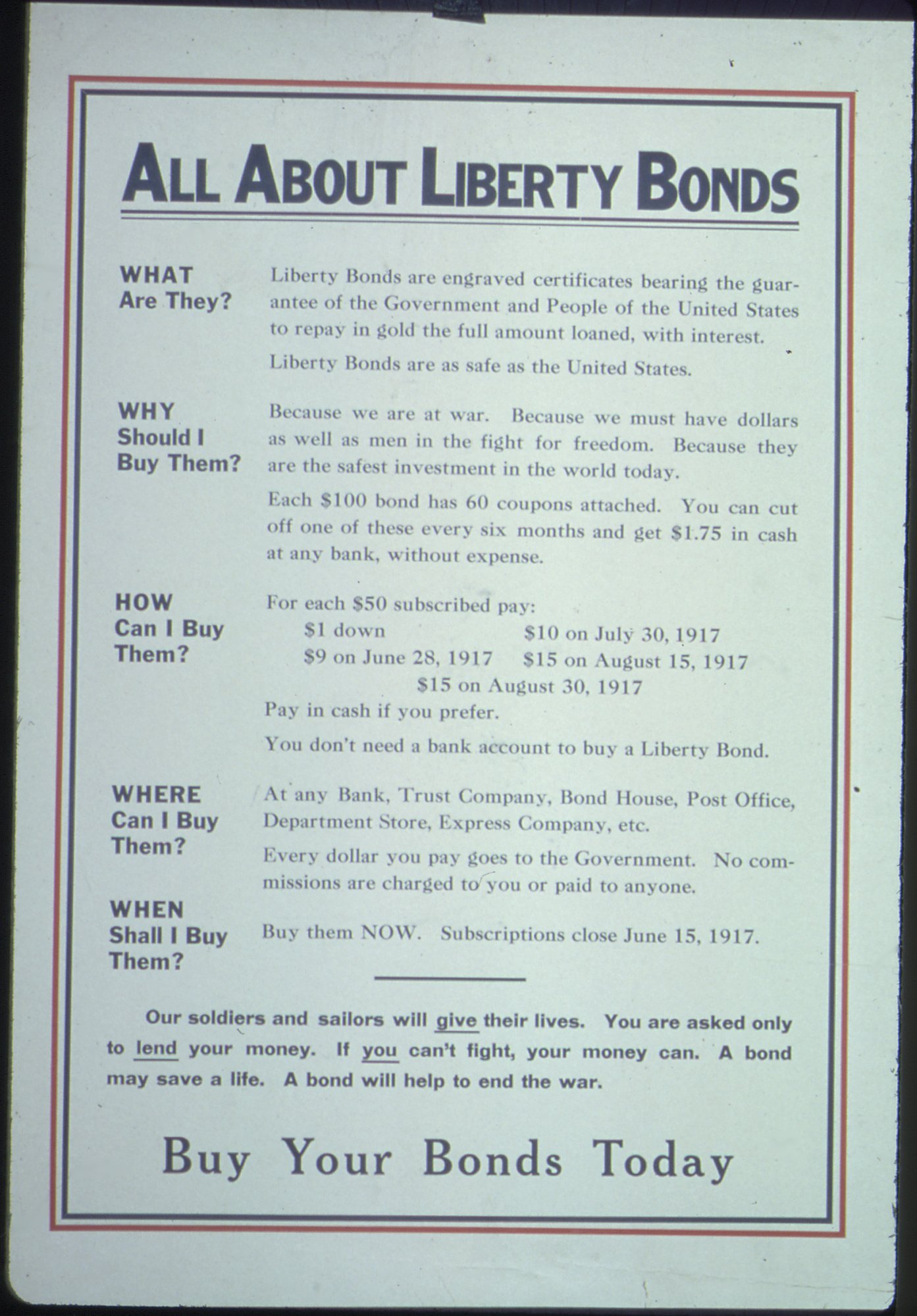 United StatesUS World War I home-front poster galleryUnited StatesAll About Liberty Bonds
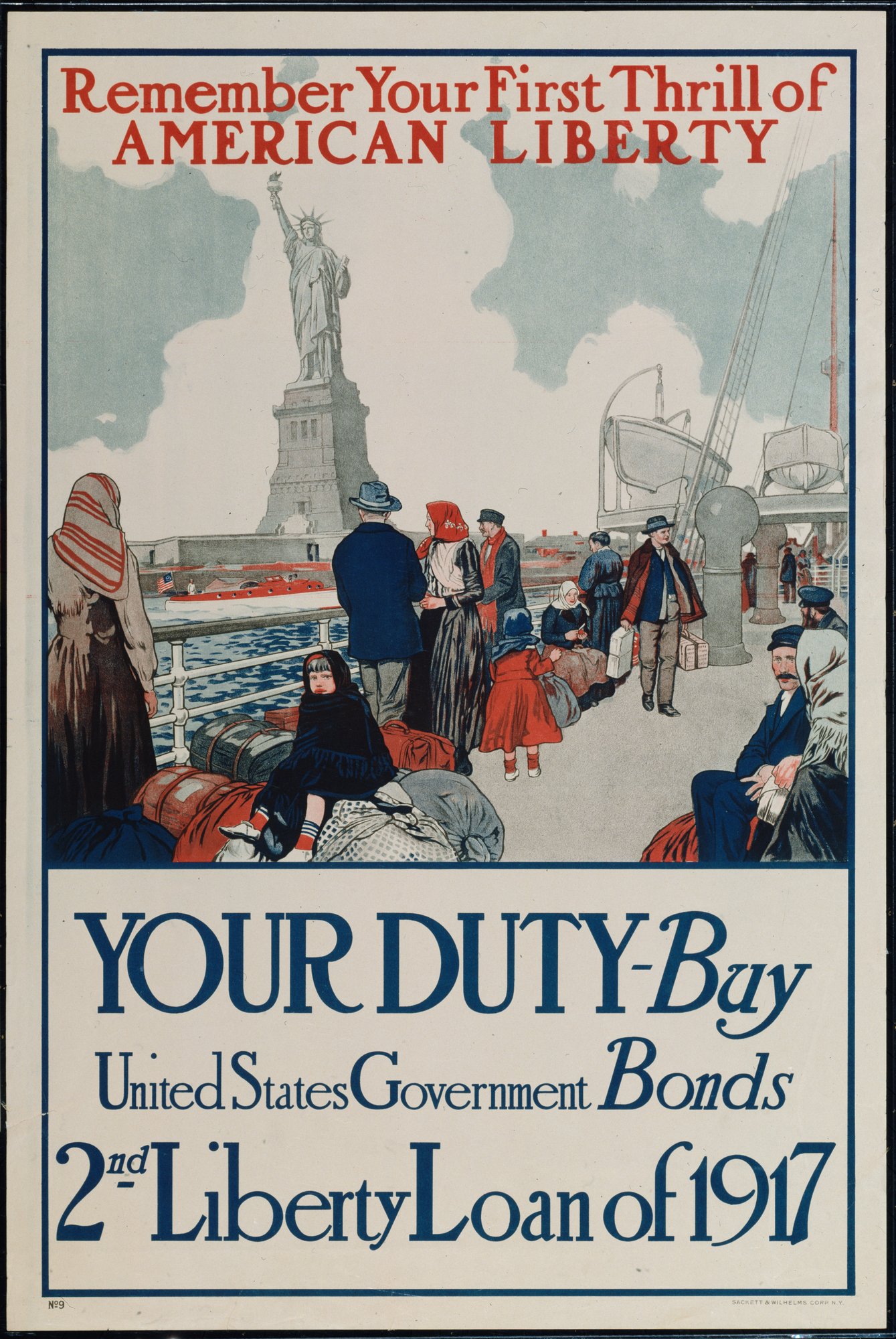 United StatesRemember Your First Thrill of American Liberty
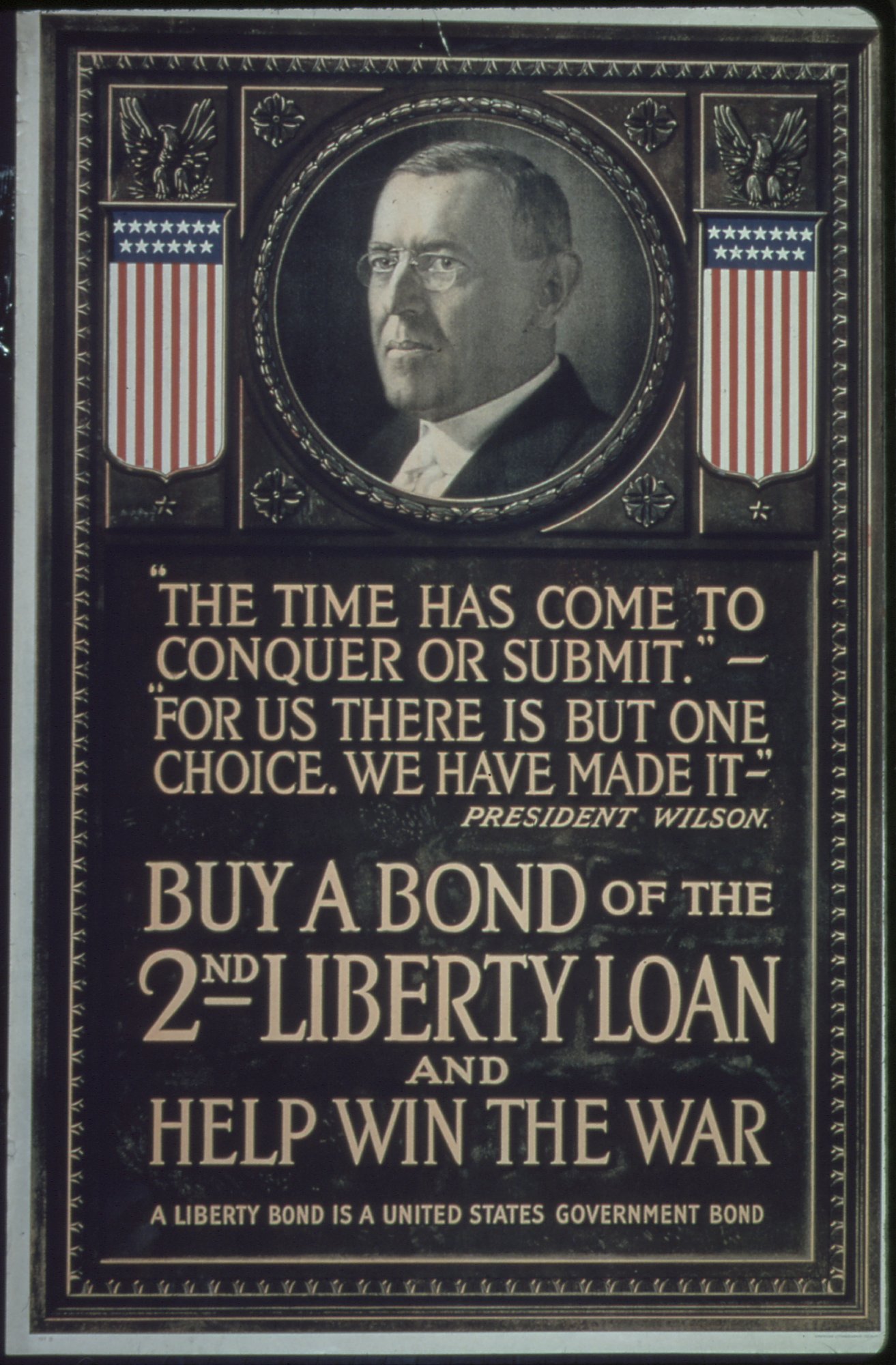 United StatesBuy a Bond of the 2nd Liberty Loan
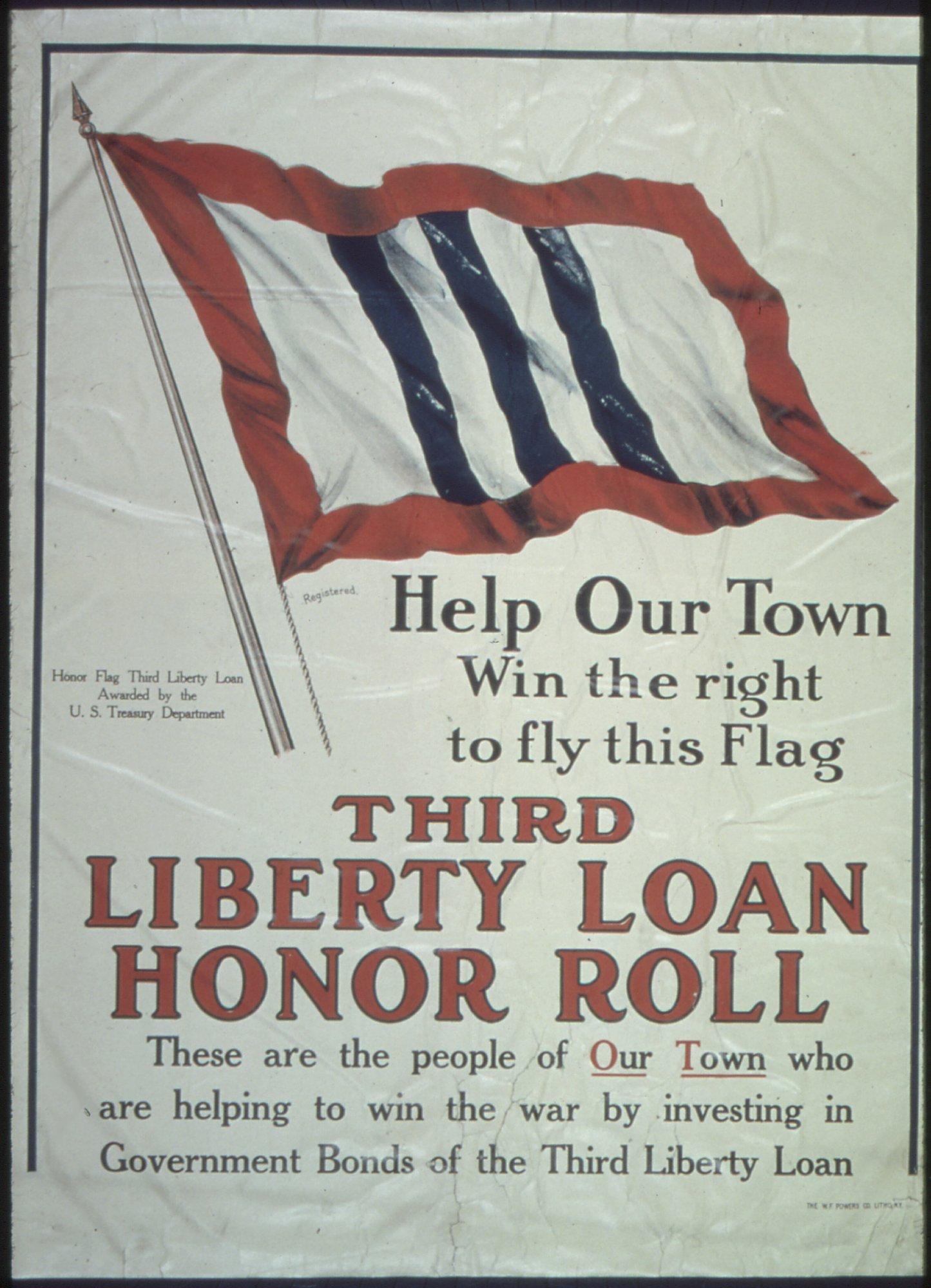 United StatesHelp Our Town Win the Right to Fly This Flag
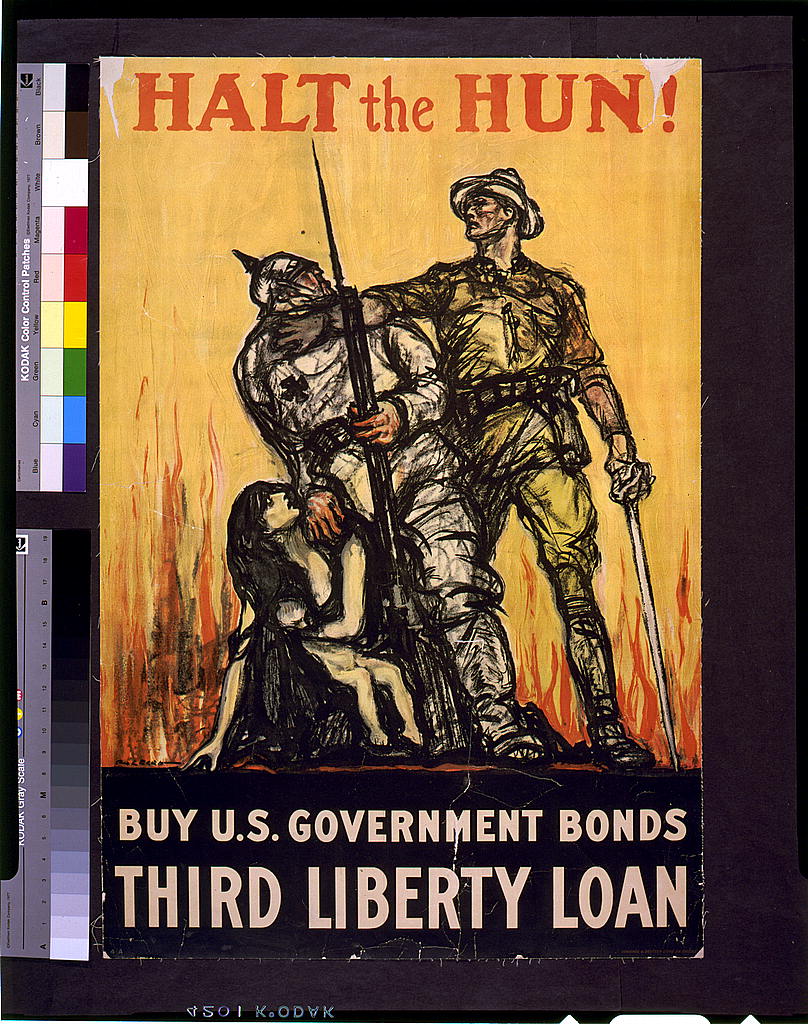 United StatesHalt the Hun!
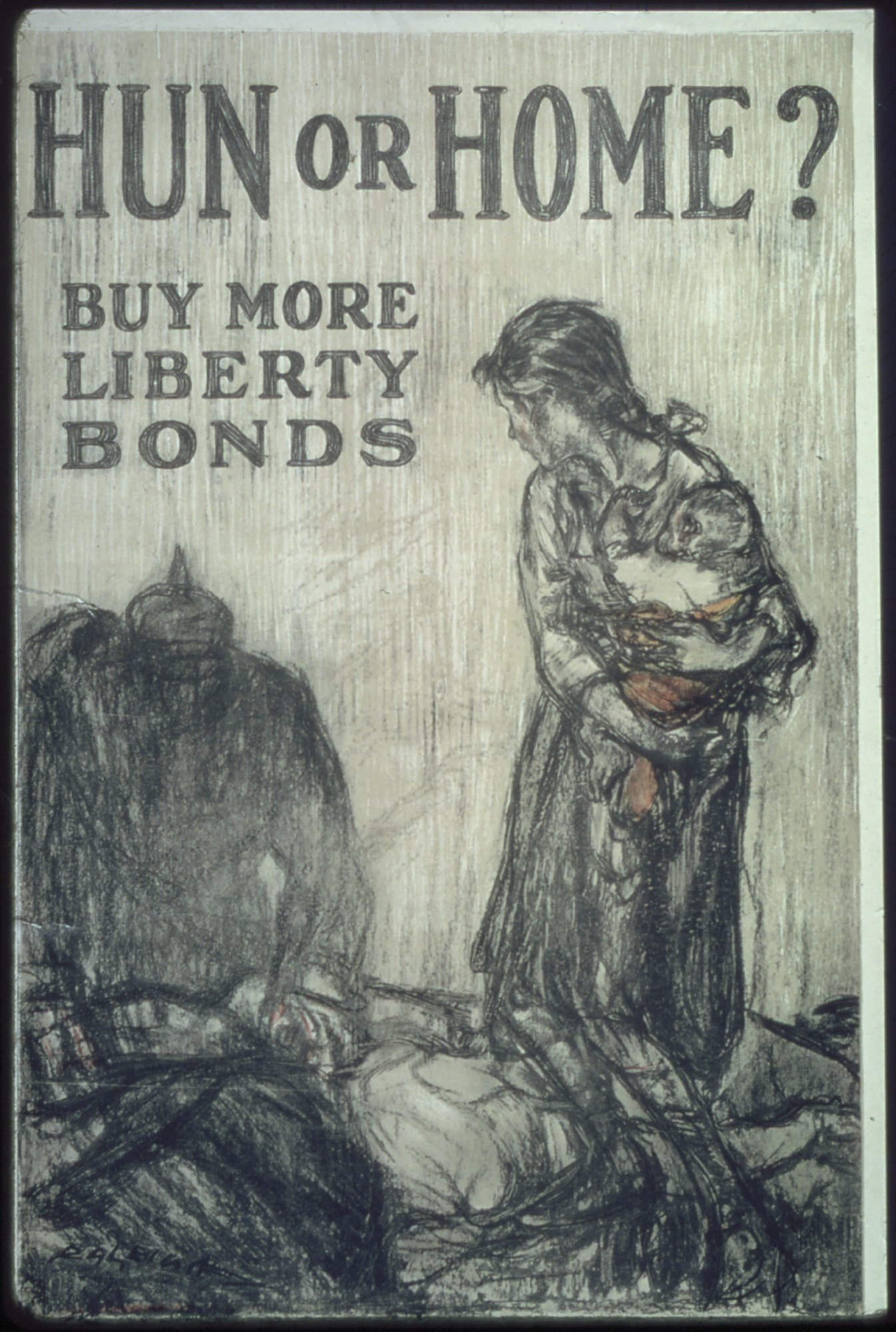 United StatesHun or Home?
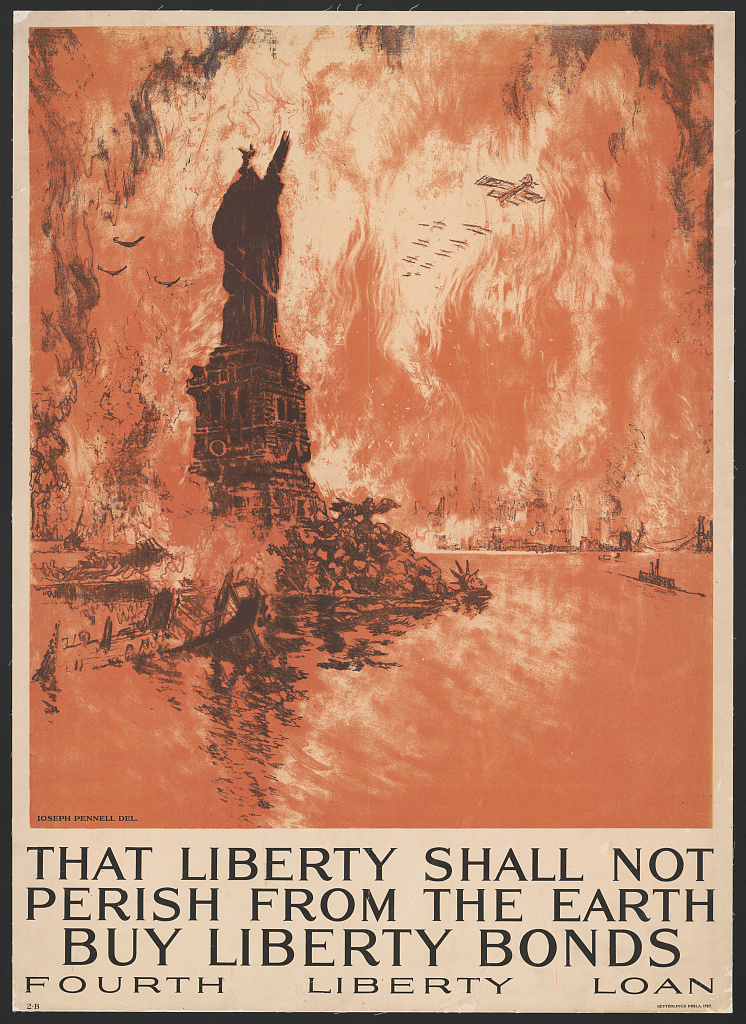 United StatesThat Liberty Shall Not Perish from the Earth
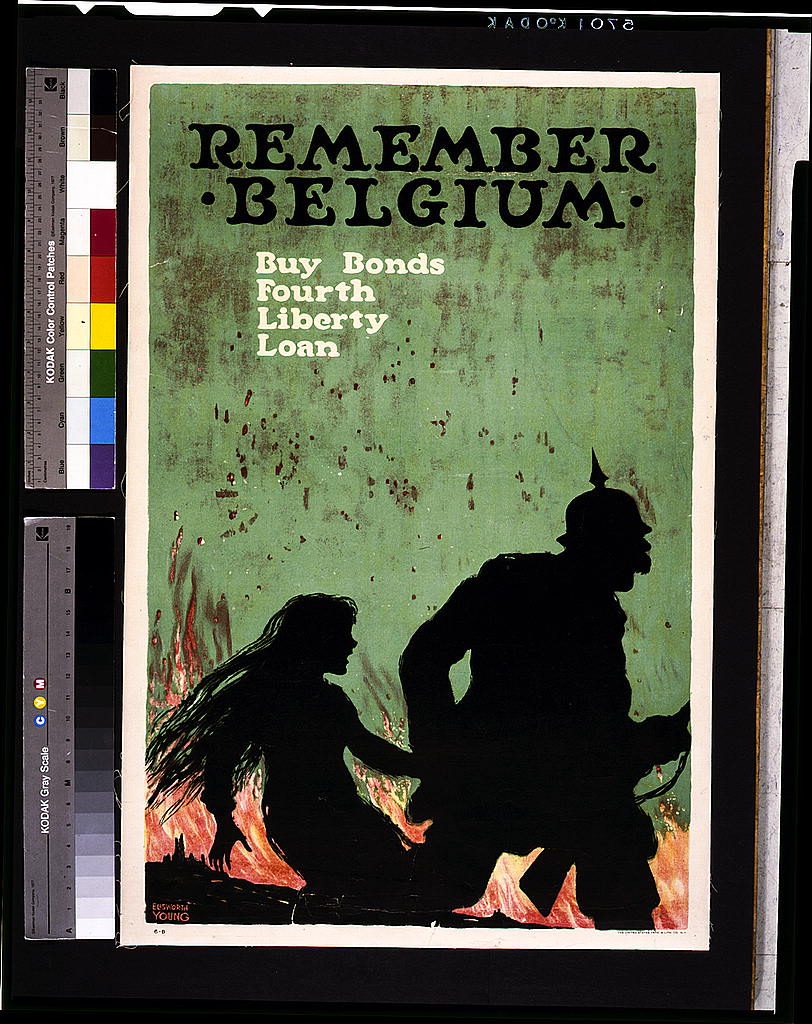 United StatesRemember Belgium
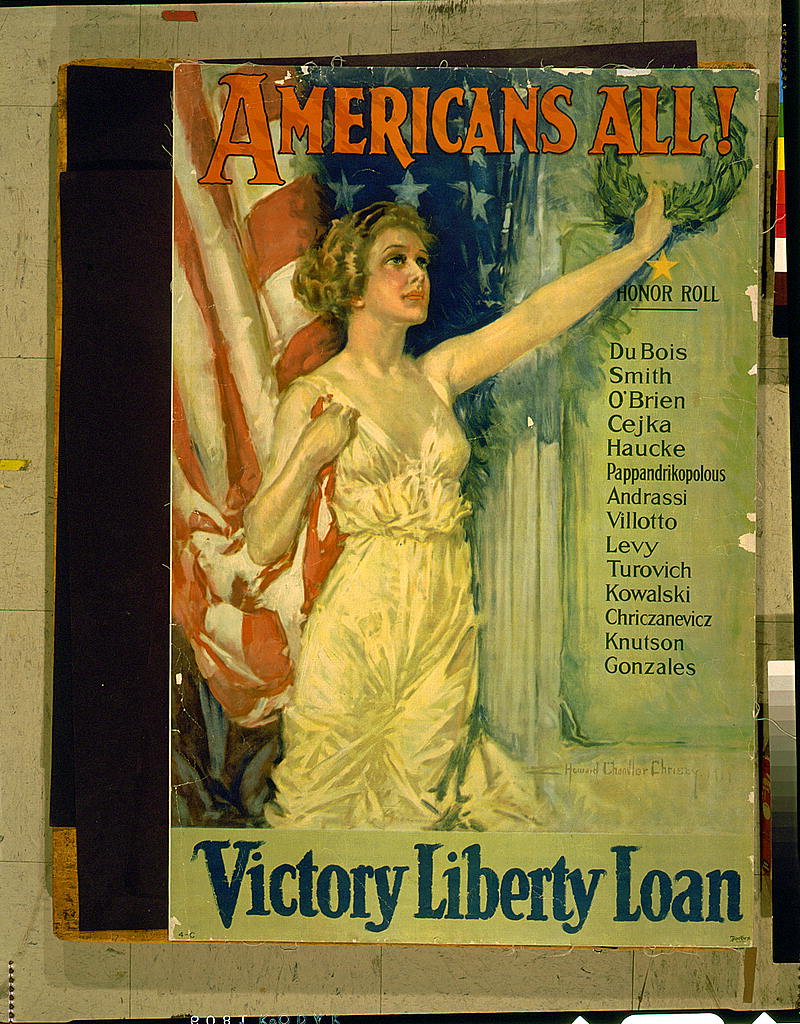 United StatesAmericans All! Victory Liberty Loan
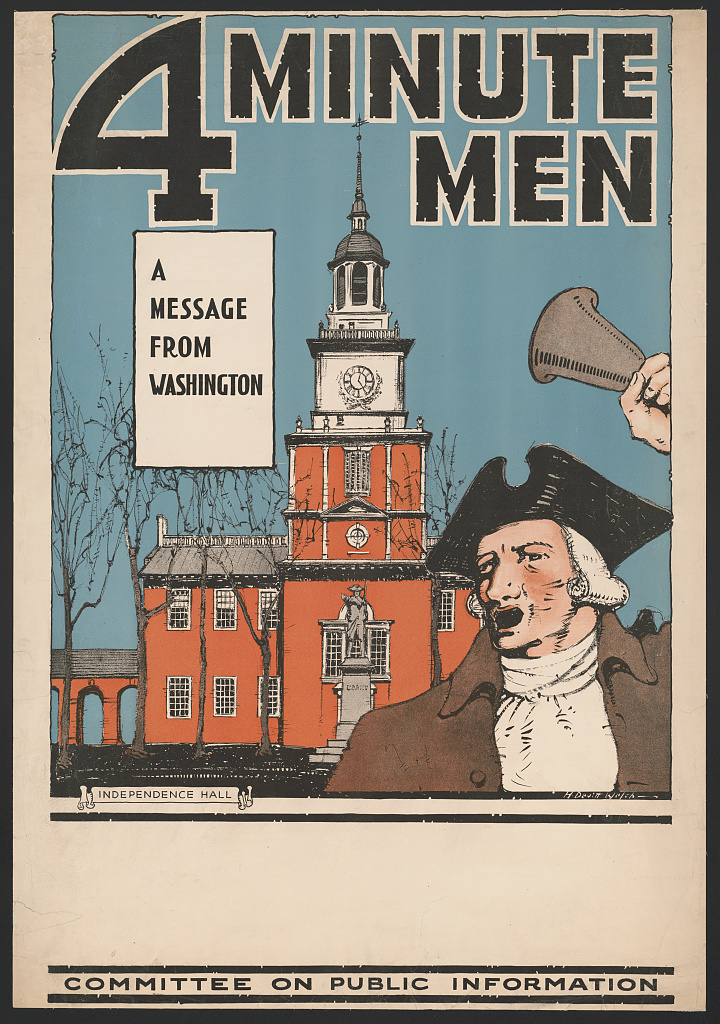 United States4 Minute Men
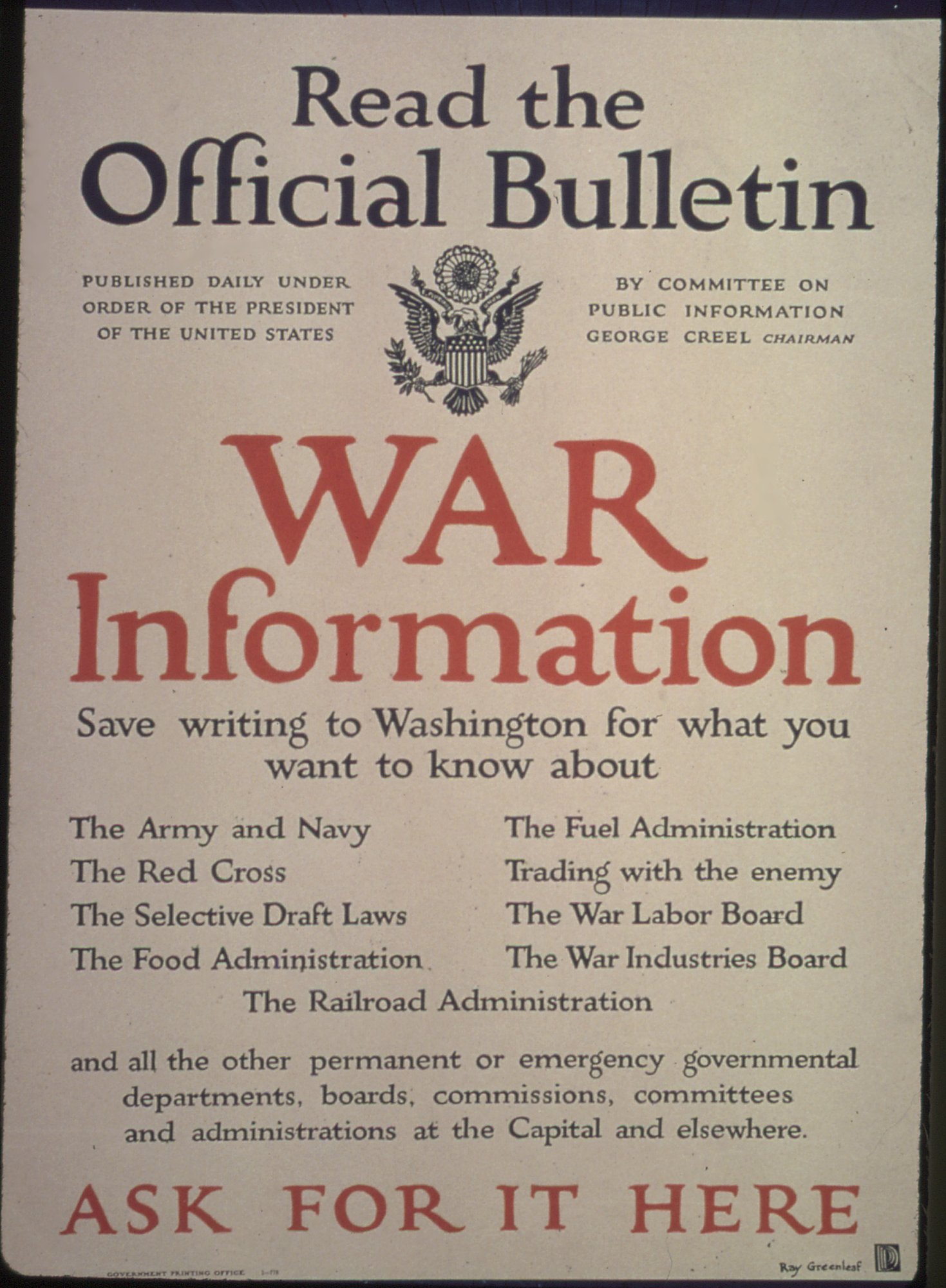 United StatesRead the Official Bulletin
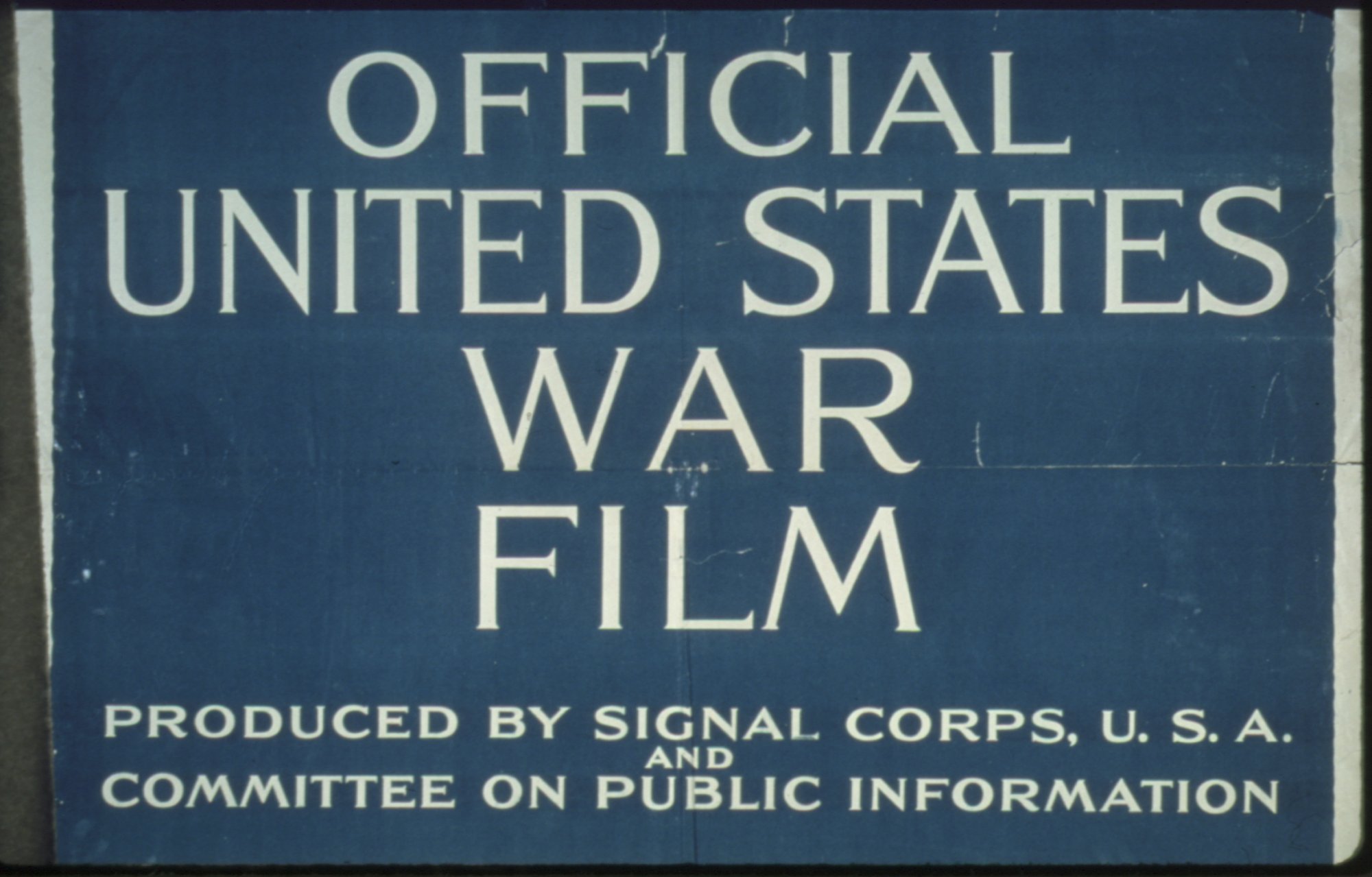 United StatesOfficial United States War Film
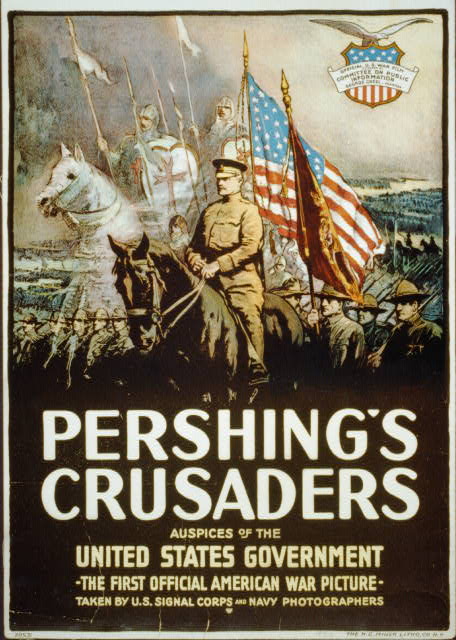 United StatesPershing's Crusaders
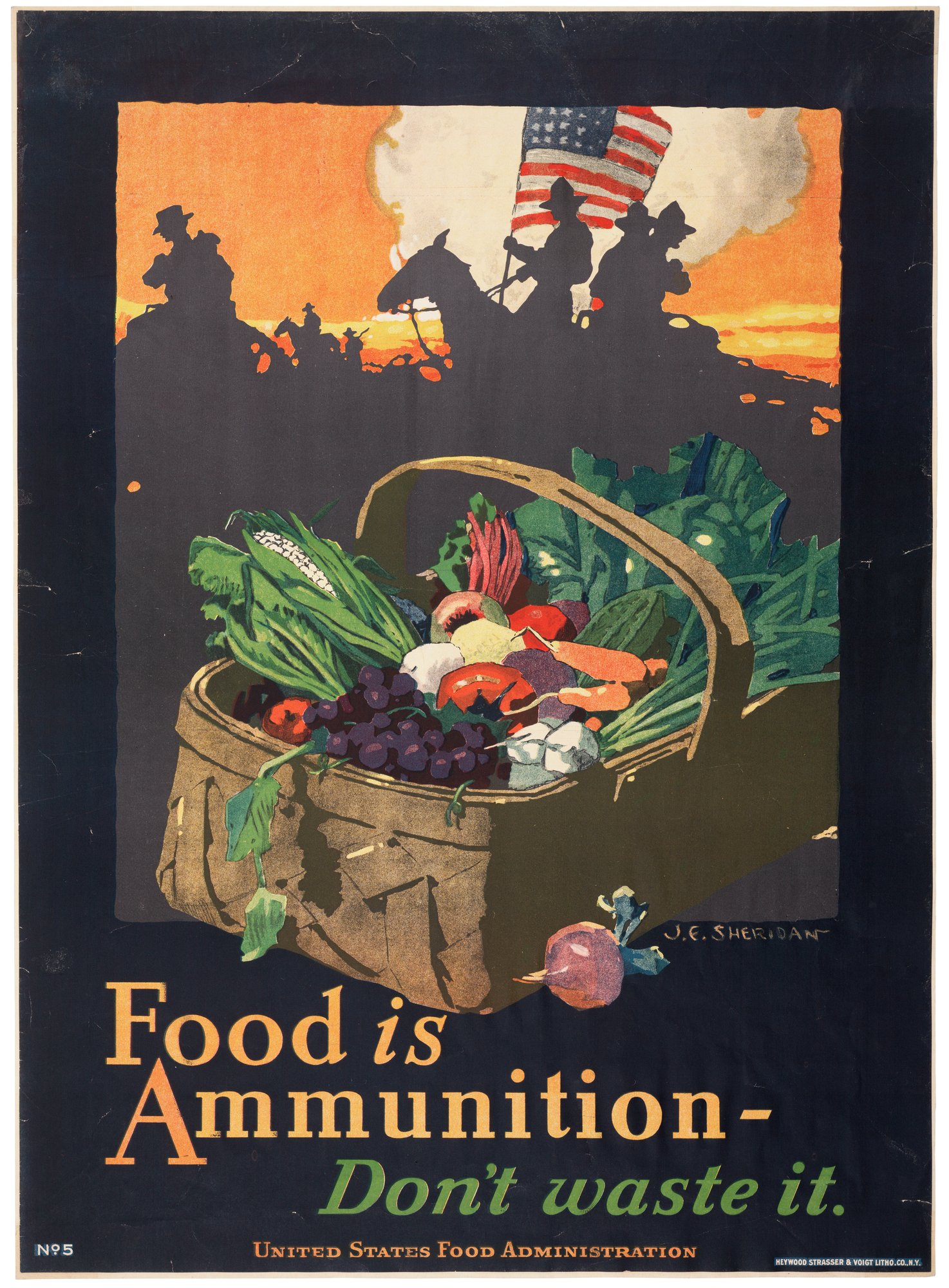 United StatesFood Is Ammunition
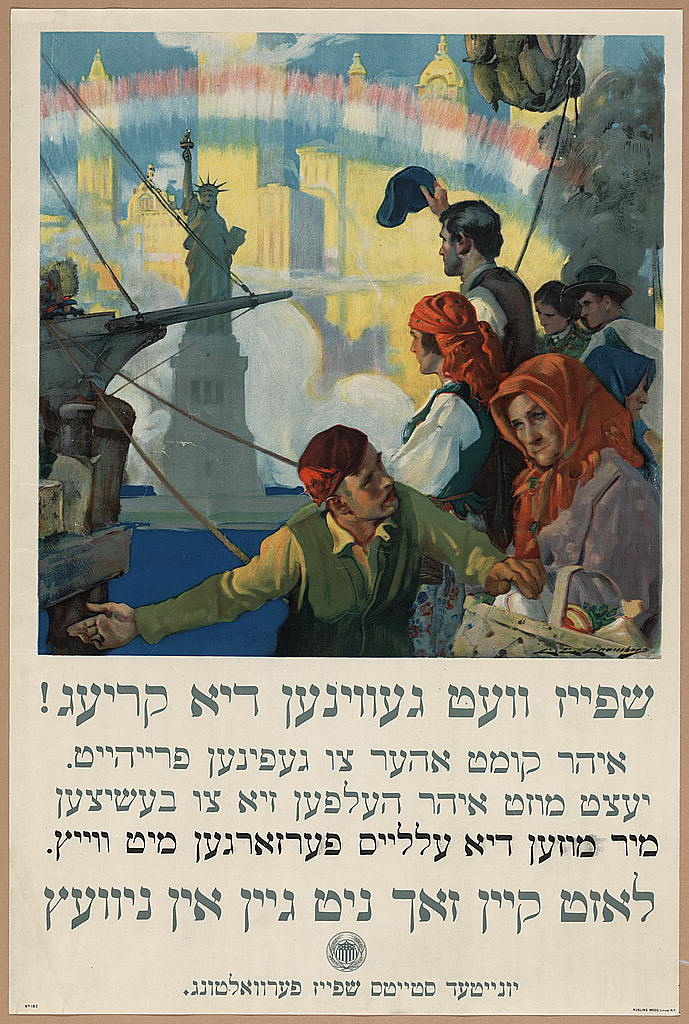 United StatesFood Will Win the War (Yiddish)
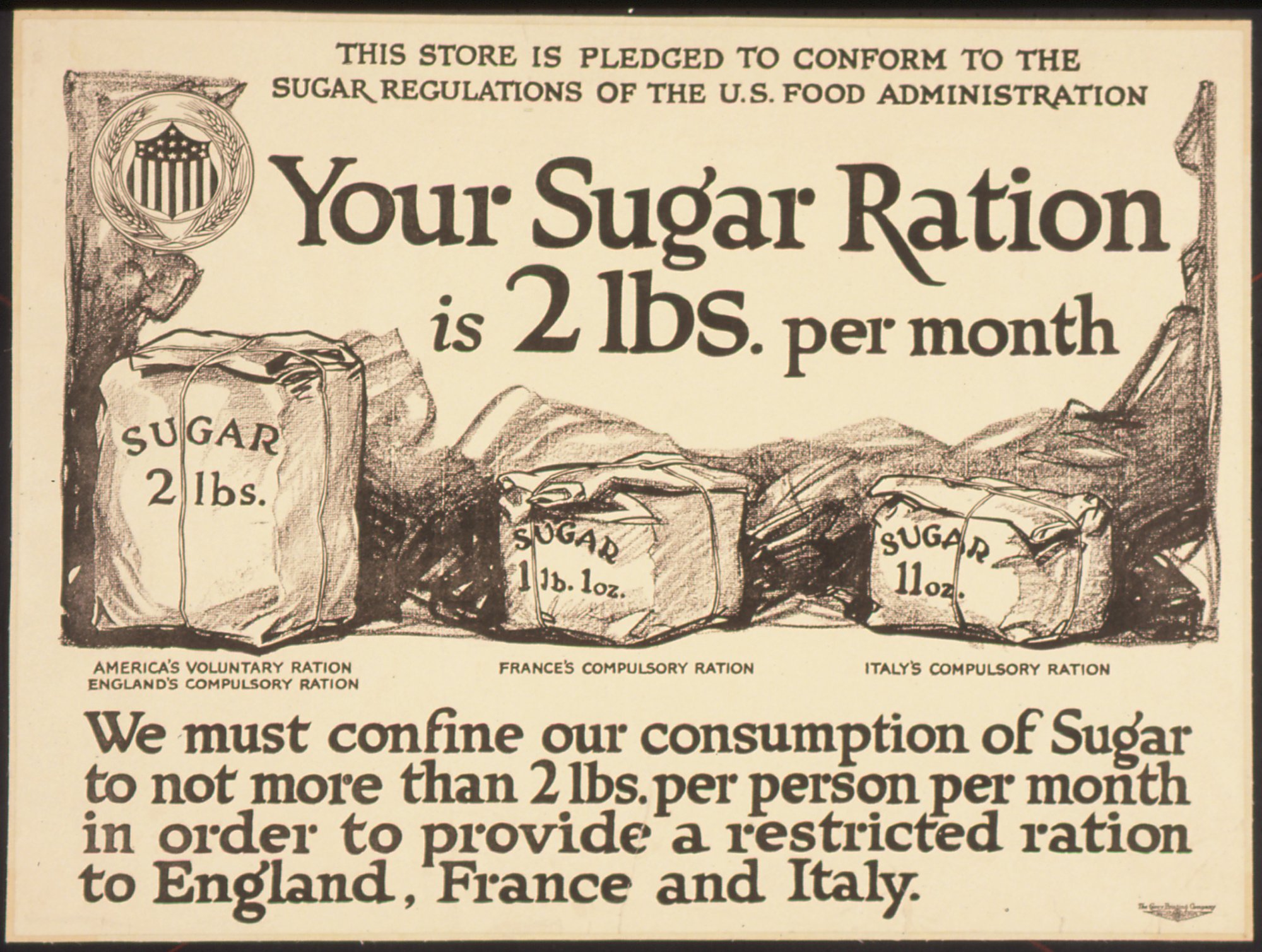 United StatesYour Sugar Ration Is 2 lbs. per Month
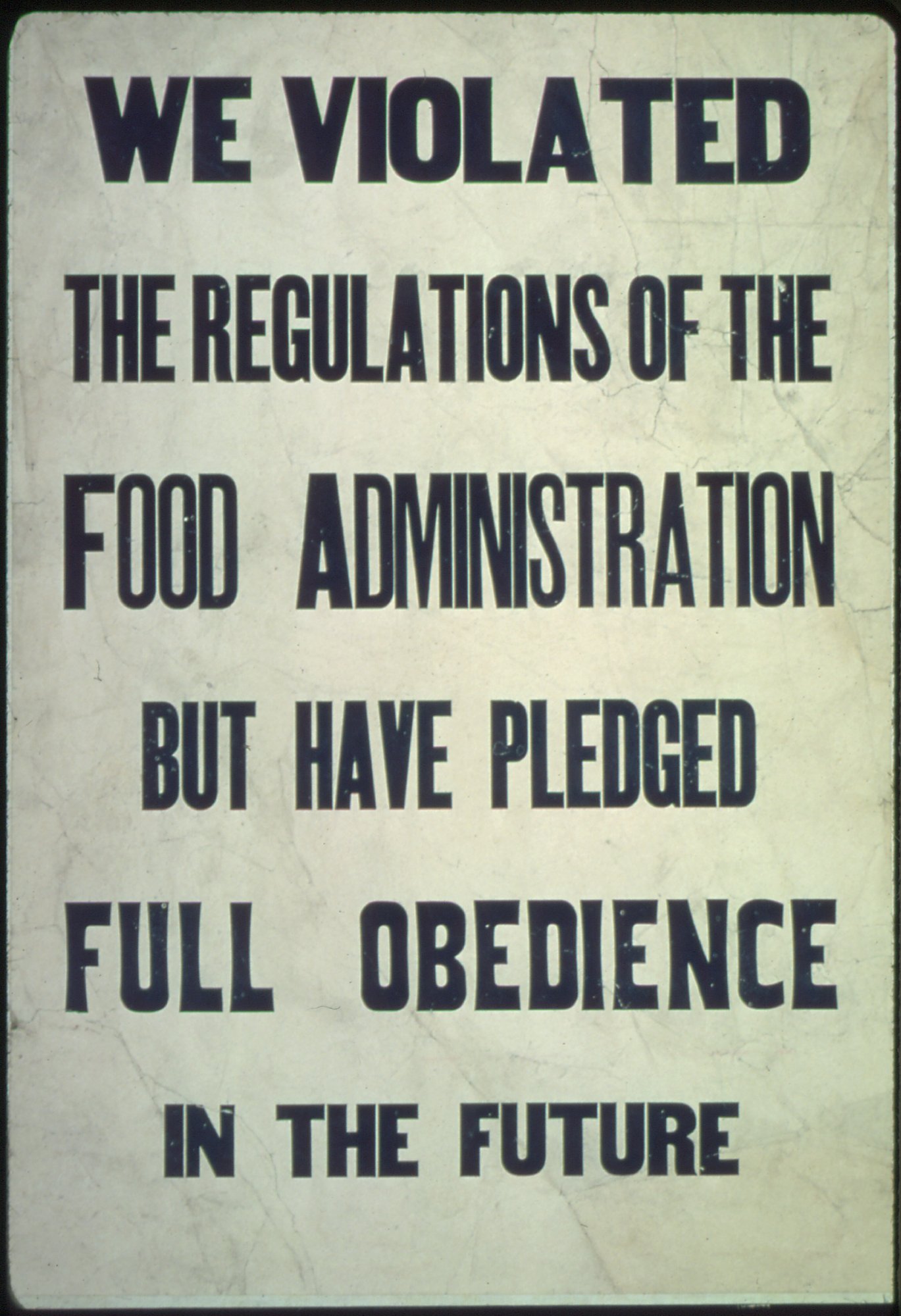 United StatesWe Violated the Regulations of the Food Administration
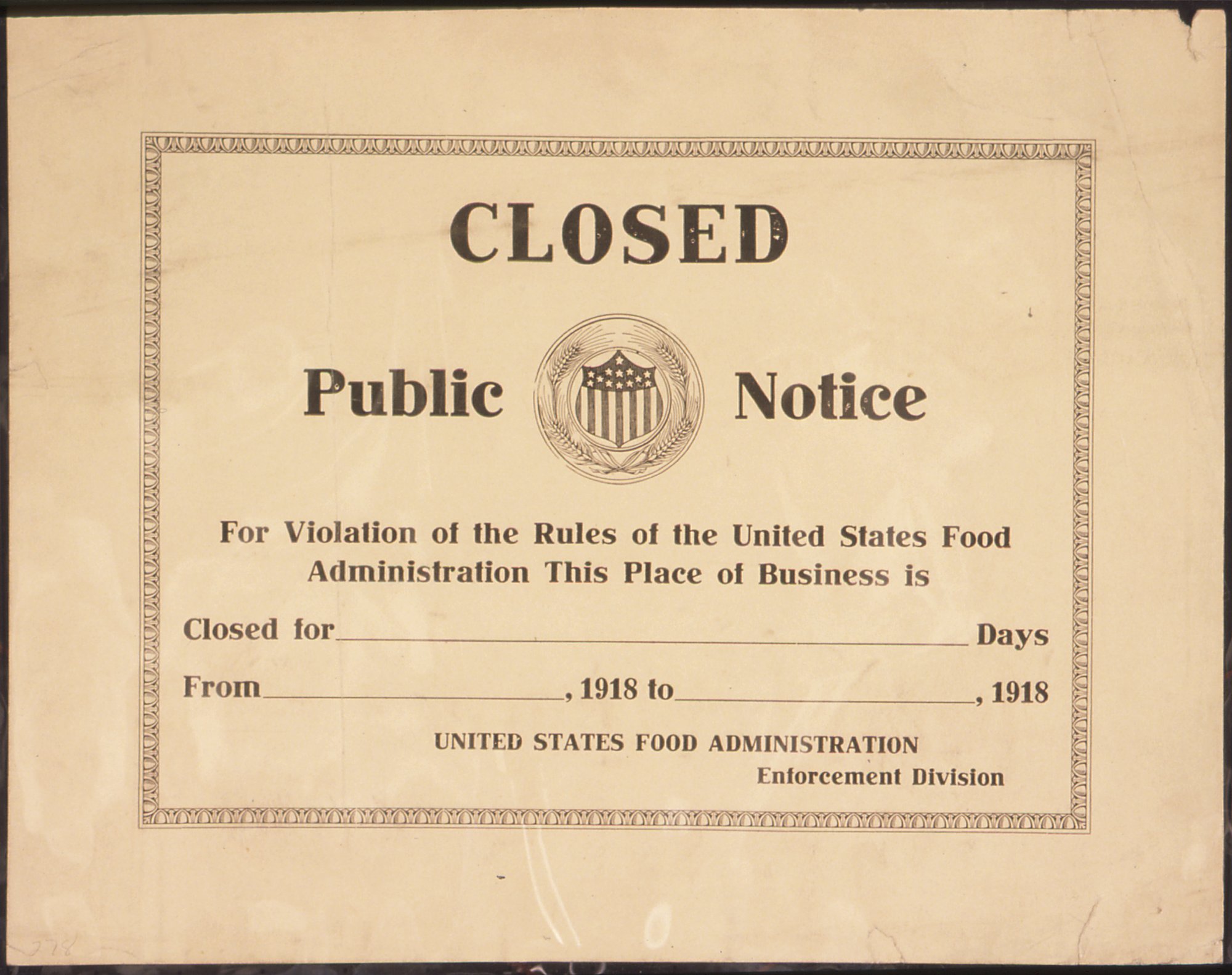 United StatesClosed: Public Notice
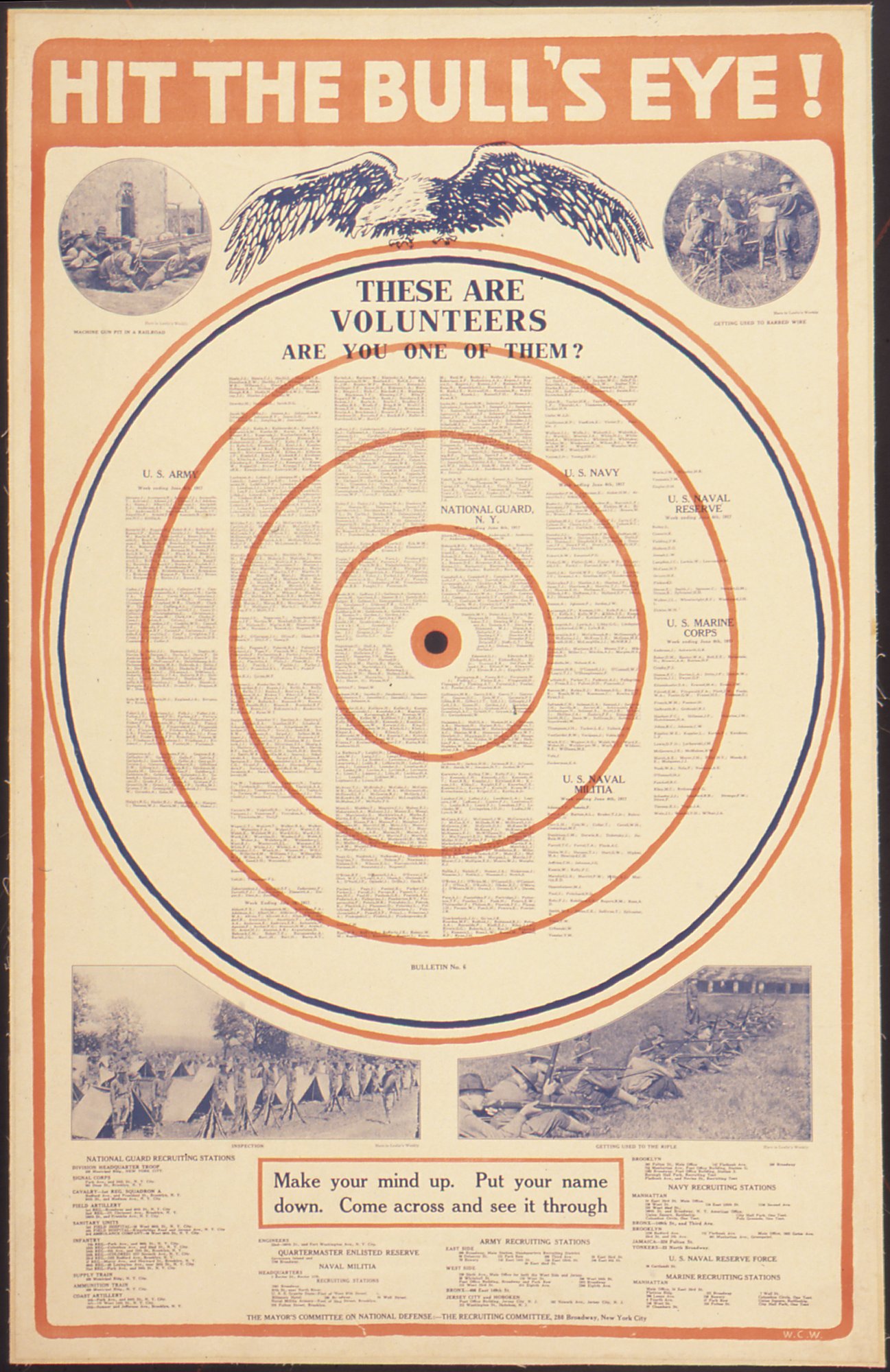 United StatesHit the Bull's Eye! These Are Volunteers
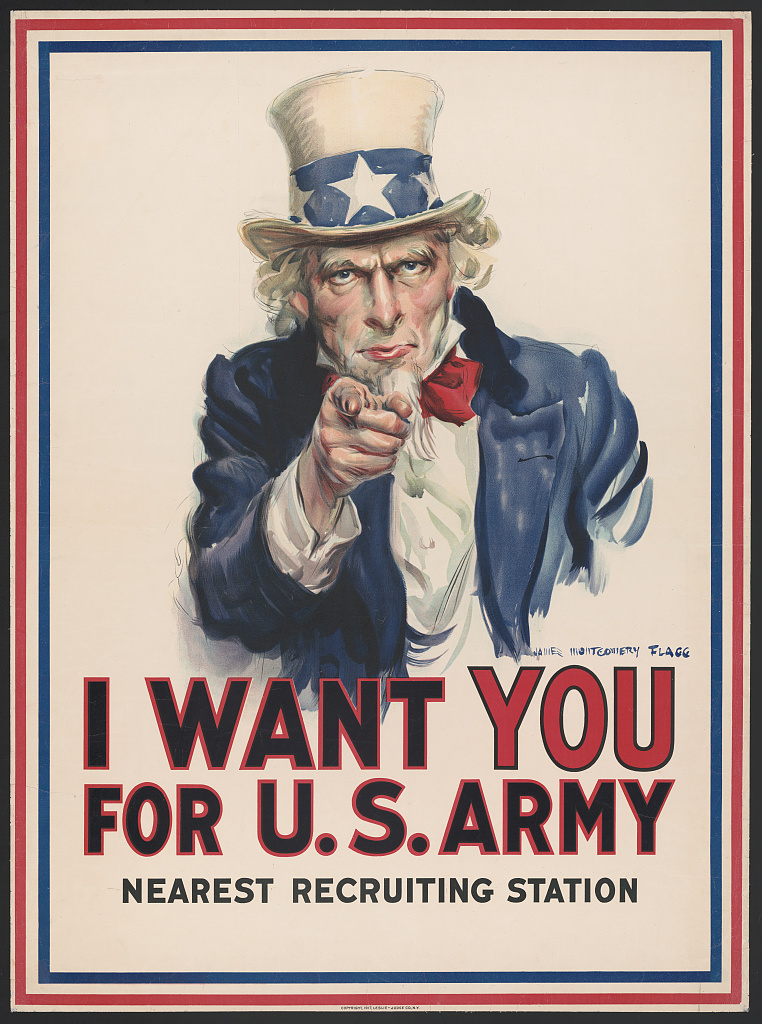 United StatesI Want You for U.S. Army
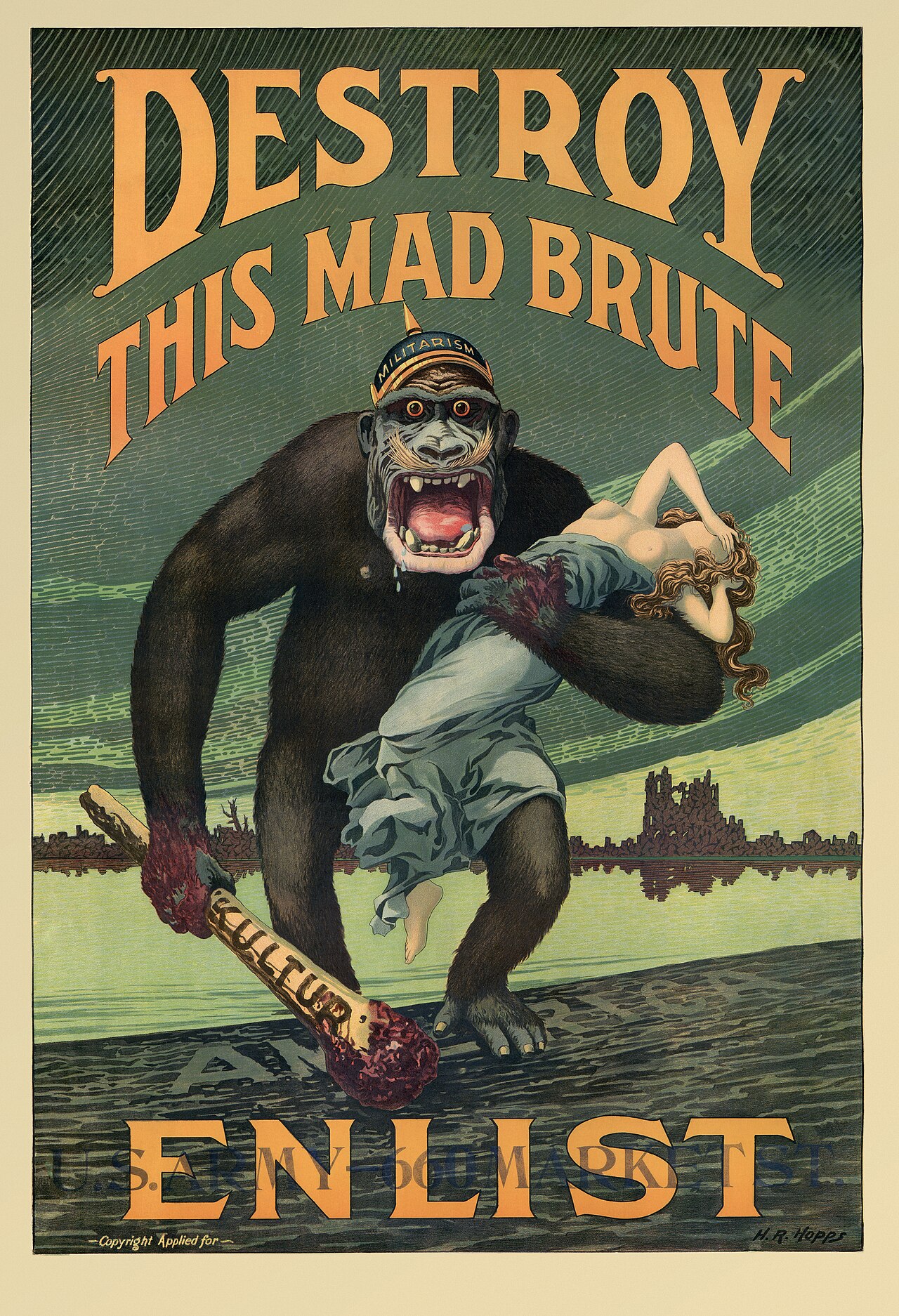 United StatesDestroy This Mad Brute
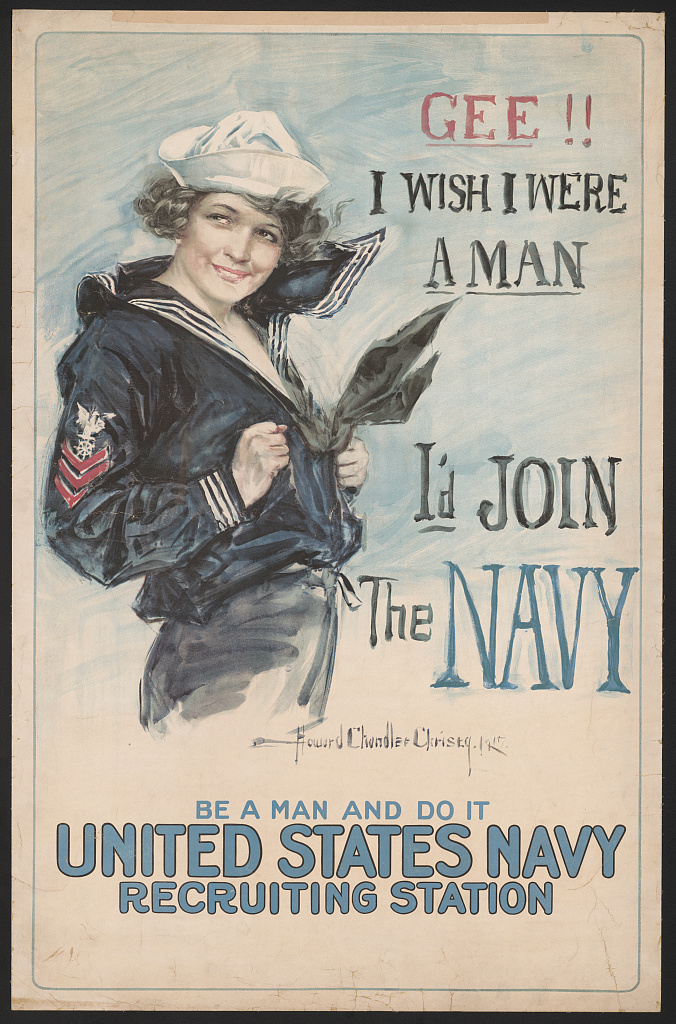 United StatesGee!! I Wish I Were a Man
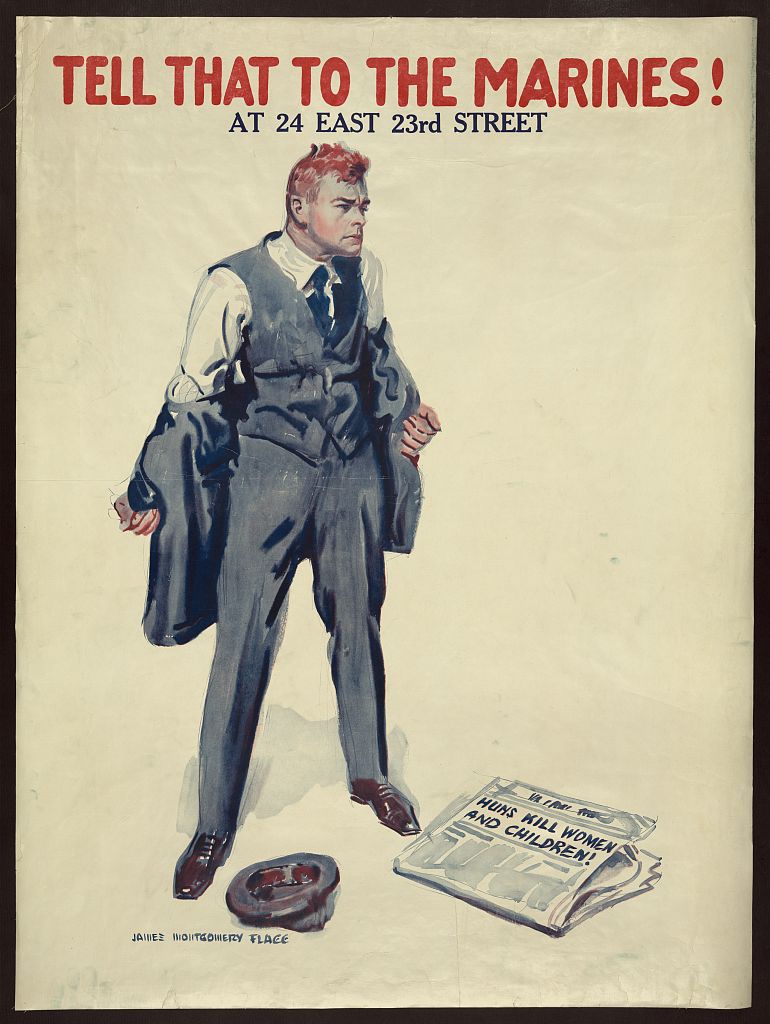 United StatesTell That to the Marines!
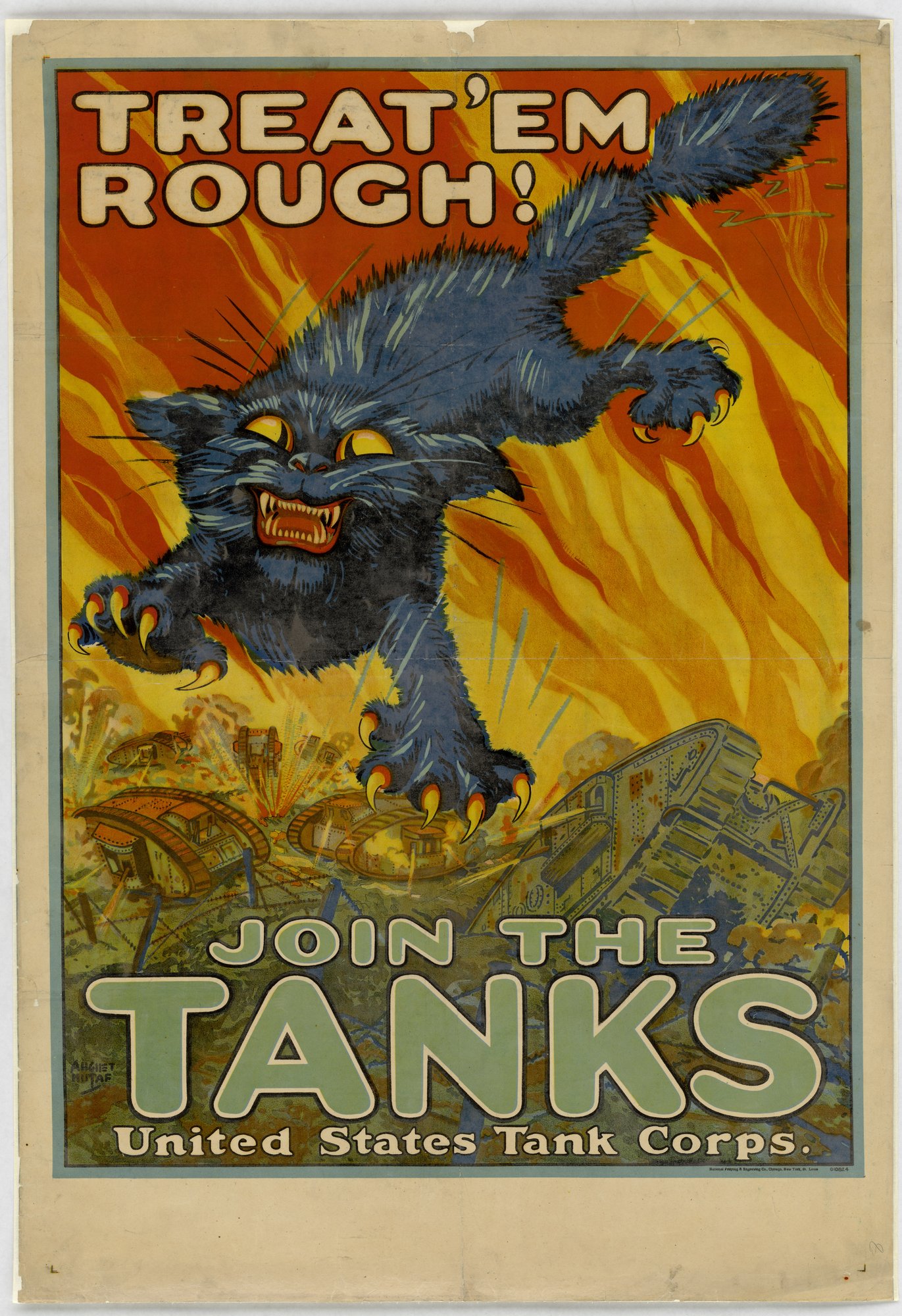 United StatesTreat 'Em Rough!
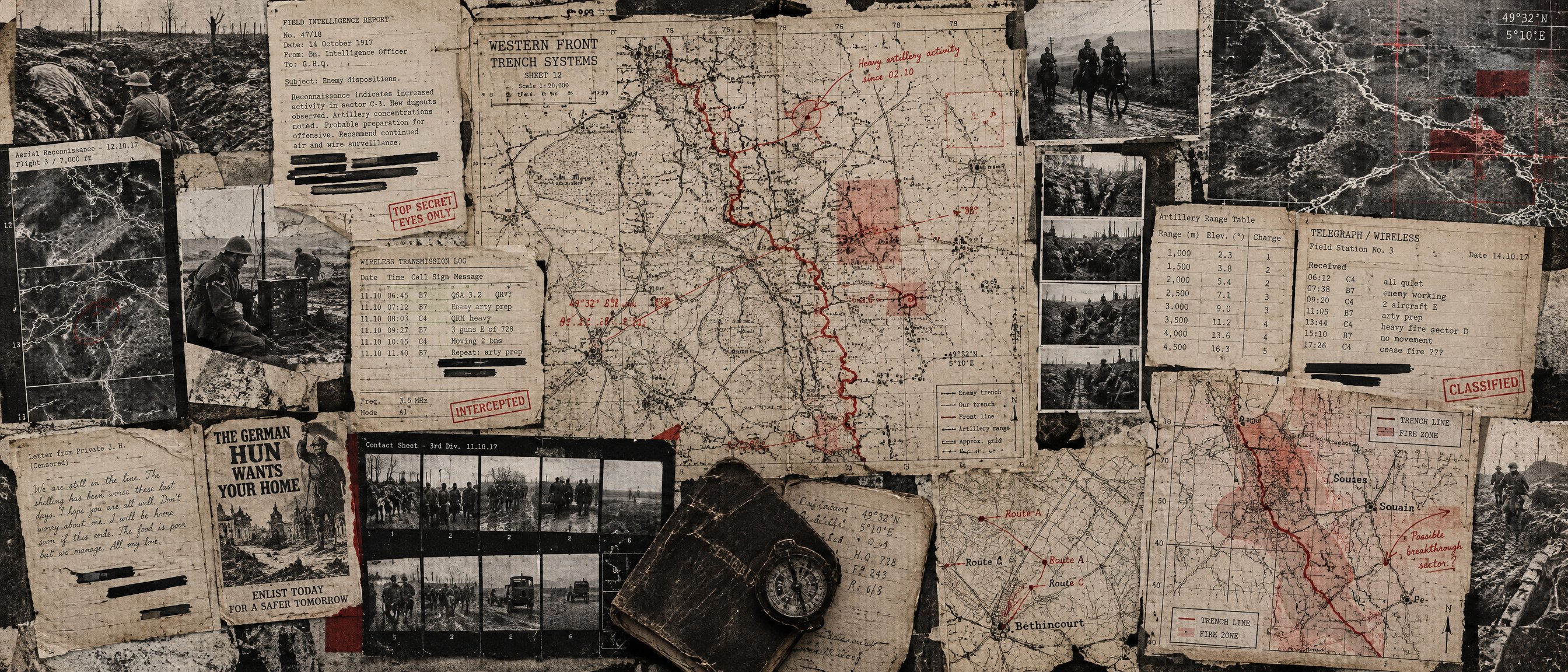 United StatesA publicity office with a name on the poster, and a sedition law behind itUnited StatesNo censor's office, but a postmaster, a prosecutor and a prison
 United StatesTwo sides, signed names, and only one side went to jailUnited StatesWilson administration, 1913–1921